
The Indian stock market saw many ups and downs in the last one year. Small and microcap stocks faced pressure because of high valuations, global uncertainty, and profit booking. In this market situation, the Motilal Oswal Nifty Microcap 250 Index Fund gave a 1-year return of 1.61%.
This return may look small compared to past microcap rallies, but it also shows that the fund stayed stable during a difficult period. Investors who want exposure to India’s smallest listed companies may still find this fund useful for long-term wealth creation.
The fund now manages Rs 2,344.64 crore in assets and has a Net Asset Value (NAV) of Rs 17.26. It follows the Nifty Microcap 250 Index and invests in companies from that benchmark.
This article explains the fund in simple language and helps investors understand whether it deserves attention in 2026.
What Is the Motilal Oswal Nifty Microcap 250 Index Fund?
The Motilal Oswal Nifty Microcap 250 Index Fund is a passive mutual fund. It follows the Nifty Microcap 250 Index. The fund buys shares of companies that are part of this index.
Unlike active mutual funds, this scheme does not depend on a fund manager’s stock selection skills. The goal is simple. The fund tries to copy the performance of the benchmark index as closely as possible.
This method gives investors transparency and lower costs. Investors know exactly where the money goes because the portfolio follows the index structure.
The fund comes with a “Very High” risk label because microcap companies are small businesses. Their stock prices can move sharply in both directions.
NAV and AUM Details
The current NAV of the Direct Growth plan stands at Rs 17.26.
NAV means the value of one unit of the mutual fund. It changes every business day based on stock prices inside the portfolio.
The fund also manages Rs 2,344.64 crore in assets under management (AUM). This is an important number because a healthy AUM shows investor trust and decent liquidity.
Large AUM also helps the fund handle investor inflows and outflows in a smoother way.
Still, investors should not judge a fund only by size. Performance consistency and risk management matter more over the long term.
Performance Snapshot
The recent returns of the fund are listed below.
| Period | Returns |
|---|---|
| 1 Month | 5.55% |
| 3 Months | 10.31% |
| 1 Year | 1.61% |
| 3 Years (Annualised) | Not Available |
| 5 Years (Annualised) | Not Available |
Simple Return Chart
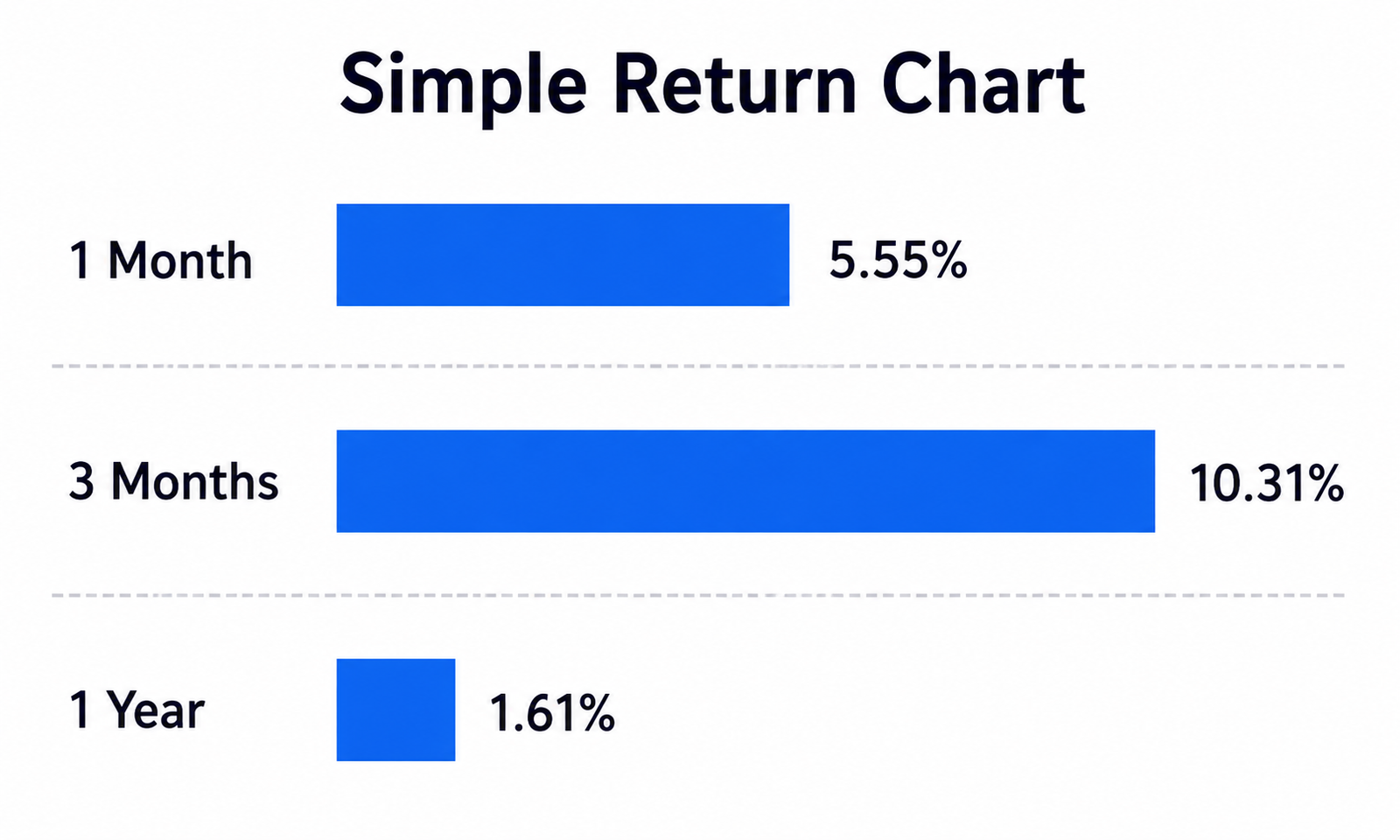
The short-term numbers look better than the 1-year figure. The 3-month return of 10.31% suggests that microcap stocks may slowly recover after earlier weakness.
However, the 1-year return remains modest. This shows that volatility still exists in the segment.
Investors must remember that microcap funds usually work best over long periods. One weak year does not always decide future performance.
Expense Ratio and Cost Advantage
The expense ratio of the Direct Growth plan is 0.57% per year.
This cost is reasonable for a microcap index fund. Since the scheme follows an index, the operating expense stays lower than many active small-cap funds.
The Direct plan also removes distributor commission. This creates better long-term compounding for investors.
Even a small difference in annual charges can make a noticeable impact over 10 to 15 years.
For long-term investors, lower cost often becomes a major advantage.
Who Can Invest in This Fund?
This fund suits investors who want exposure to India’s smaller companies and can accept market volatility.
A minimum investment of Rs 500 makes the scheme accessible for beginners as well.
Investors with a long-term horizon of at least 5 years may benefit more from this category. Microcap stocks usually need time before their business growth reflects in stock prices.
People close to retirement or those who dislike market swings may not feel comfortable with this type of investment.
Young investors with patience and discipline may find this fund more suitable.
Risks Investors Must Understand
Microcap funds carry high risk.
During market corrections, these stocks can fall very quickly. Since this is a passive fund, the scheme cannot reduce exposure during weak market phases.
The fund simply follows the benchmark index.
Another concern is liquidity. Some microcap stocks do not trade heavily every day. This may create sharp price movements during panic selling.
Benchmark changes can also affect the portfolio. If the index removes or adds companies, the fund must rebalance its holdings.
Investors should enter this category only after understanding these risks clearly.
My Opinion on the Fund
The Motilal Oswal Nifty Microcap 250 Index Fund looks interesting for investors who believe in India’s long-term economic growth story.
The recent 1-year return of 1.61% may disappoint short-term investors, but microcap investing rarely rewards impatience.
The fund offers simple access to 250 microcap companies through a low-cost structure. That itself becomes attractive because many investors struggle to identify quality small businesses individually.
The biggest strength of this fund is diversification. Instead of betting on one or two risky stocks, investors spread money across many companies.
At the same time, investors must not expect smooth returns every year.
This category can produce sharp rallies during bull markets and deep corrections during weak phases.
For disciplined investors with a long investment horizon, small SIP investments may work better than large lump sum entries.
Overall, the fund looks suitable as a small part of a diversified equity portfolio, not as the entire investment strategy.
Final Thoughts
The Motilal Oswal Nifty Microcap 250 Index Fund gives investors an opportunity to participate in India’s microcap segment through a transparent and passive structure.
The fund currently shows moderate short-term performance, but the long-term opportunity in emerging businesses still exists.
Patience remains the key.
Investors who understand volatility and stay invested during market cycles may benefit more in the future.
Careful allocation and realistic expectations are important before investing in this fund.
Disclaimer
This article is only for educational and informational purposes. Mutual fund investments are subject to market risks. Past performance does not guarantee future returns. Investors should read all scheme-related documents carefully and consult a financial advisor before making any investment decision.
FAQs
1. What is the NAV of Motilal Oswal Nifty Microcap 250 Index Fund in 2026?
The current NAV of the Direct Growth plan is Rs 17.26.
2. What is the 1-year return of the fund?
The fund delivered a 1-year return of 1.61%.
3. Is this fund risky?
Yes. The fund carries a Very High risk rating because it invests in microcap companies.
4. What is the minimum investment amount?
The minimum SIP and lump sum investment amount is Rs 500.
5. Is this fund good for long-term investment?
The fund may suit investors with a long-term horizon of at least 5 years and a high risk appetite.