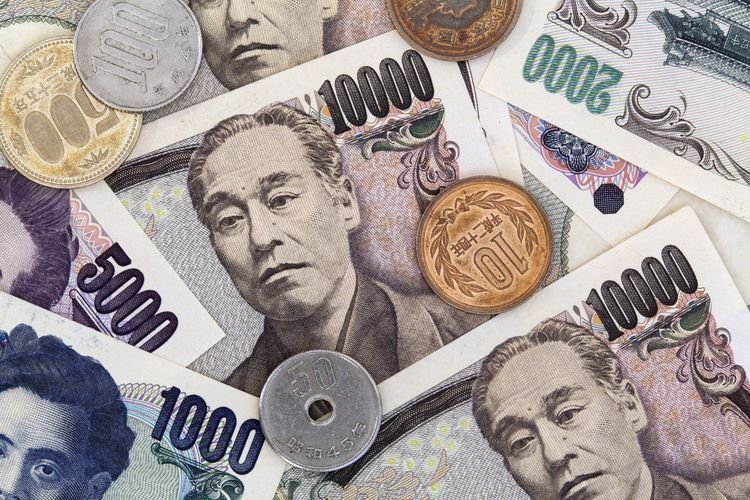
The global foreign exchange market saw major movement on June 30, 2026, after the Japanese Yen reached its weakest level in almost four decades. The currency dropped close to 162.4 against the US Dollar, a level the market has not seen since 1986. This sudden fall created strong reactions across the financial world and pushed traders into a state of caution.
The sharp decline has once again placed Japan at the center of global forex discussions. Investors now closely watch what Japanese officials may do next as fears of government action continue to grow.
Yen Reaches Lowest Level Since 1986
The Japanese Yen suffered heavy pressure during trading on June 30 and touched nearly 162.4 against the US Dollar. This price level carries major importance because the Yen has not traded this weak since the year 1986.
For many years, Japan maintained one of the world’s strongest and most respected currencies. The Yen often acted as a safe place for investors during uncertain times. However, current market conditions have pushed the currency into a long period of weakness.
This latest drop has now created fresh concern among investors, economists, and government officials. The move also shows how strong the US Dollar remains compared with several major world currencies.
Why the Yen Continues to Fall
One of the biggest reasons behind the Yen’s weakness comes from the major difference between interest rates in Japan and the United States.
The US Federal Reserve kept interest rates at higher levels for a long time in order to control inflation. Higher rates usually make the Dollar more attractive because investors can earn better returns from US assets.
Japan follows a very different path. The Bank of Japan has stayed extremely cautious and kept borrowing costs far lower than many other countries. This large gap has pushed many investors toward the Dollar instead of the Yen.
As more traders move money into the US currency, demand for the Dollar rises while pressure on the Yen becomes stronger.
Growing Concern Inside Japan
The rapid fall of the Yen has now created serious concern inside Japan. Government officials in Tokyo released statements that quickly caught market attention.
Officials said they remain ready to take “appropriate action” if unusual currency movement continues. This statement carries weight because traders understand what it may mean.
In the forex market, such language often acts as a warning that authorities may step in and directly buy Yen in an attempt to stop further weakness.
Even though officials did not announce immediate action, the message clearly showed that Japan has started to pay very close attention to current market behavior.
Fear of Market Intervention Returns
One of the biggest concerns in forex markets right now involves possible intervention from Japanese authorities.
Market intervention happens when a country’s central bank or government directly enters the currency market and buys or sells large amounts of money in order to influence exchange rates.
Japan has done this before. In recent years, the government entered markets several times after sharp Yen declines. Those actions caused sudden and powerful price moves.
Because the Yen now trades at its weakest level in 40 years, traders believe another intervention may happen soon.
This fear has created uncertainty because any unexpected action can cause violent price reversals within minutes.
Why Traders Across the World Care
The fall of the Japanese Yen does not affect Japan alone. It has become one of the biggest stories in global forex markets because the USD/JPY currency pair remains one of the most actively traded pairs in the world.
When large moves happen in this pair, traders everywhere pay attention.
At the moment, volatility in USD/JPY dominates overall forex market sentiment. Price swings have become larger, and many investors now trade more carefully because sudden movement may appear without warning.
Even traders who focus on other currencies often watch Yen movement because it can influence broader market direction.
Carry Trade Activity Adds More Pressure
Another major reason behind the Yen’s weakness comes from what traders call the carry trade strategy.
This strategy allows investors to borrow money in a currency with low interest rates and place that money into assets that offer better returns.
Japan has very low borrowing costs, so traders often borrow Japanese Yen and move those funds into currencies such as the US Dollar.
This process increases selling pressure on the Yen because more people sell the currency in order to buy higher-yield alternatives.
As long as interest rate differences remain wide, this pressure usually continues.
That is exactly what the market has seen in recent months.
The Strong Position of the US Dollar
The US Dollar also plays a major role in this story.
The American economy has shown enough strength to keep investor confidence high. Many traders still believe the Federal Reserve may maintain tight monetary policy for longer than expected.
This outlook keeps demand for the Dollar strong.
As more investors choose US assets, the Dollar gains value against weaker currencies.
This situation has pushed the Dollar higher against the Yen and helped create the current exchange rate near 162.4.
Without a major policy shift from either country, many experts believe Dollar strength may continue.
What Could Happen Next
The next move now depends heavily on Japan’s response.
If Japanese authorities decide to enter the market and buy Yen directly, the currency may recover very quickly. In past intervention events, traders saw large reversals within a short period of time.
If officials choose not to act, the Yen could weaken even further and move past current levels.
Many investors now wait for fresh comments from Tokyo and any signal from the Bank of Japan.
At the same time, future decisions from the US Federal Reserve will also shape market direction.
Both countries now hold major influence over what happens next in one of the world’s most important currency pairs.
A Critical Moment for Forex Markets
June 30, 2026 has become an important day for the foreign exchange market.
The Japanese Yen has fallen to its lowest level since 1986 and now trades near 162.4 per US Dollar. Government officials have already warned that they stand ready to take appropriate action if market conditions become more unstable.
Because of this, traders across the world now remain alert.
The situation has created tension, uncertainty, and the possibility of sudden price movement at any moment.
For forex traders, the Japanese Yen has become the most important currency to watch right now, and what happens next may shape global market sentiment in the days ahead.
Also Read – Huge AI Partnership Gives Stock New Trigger