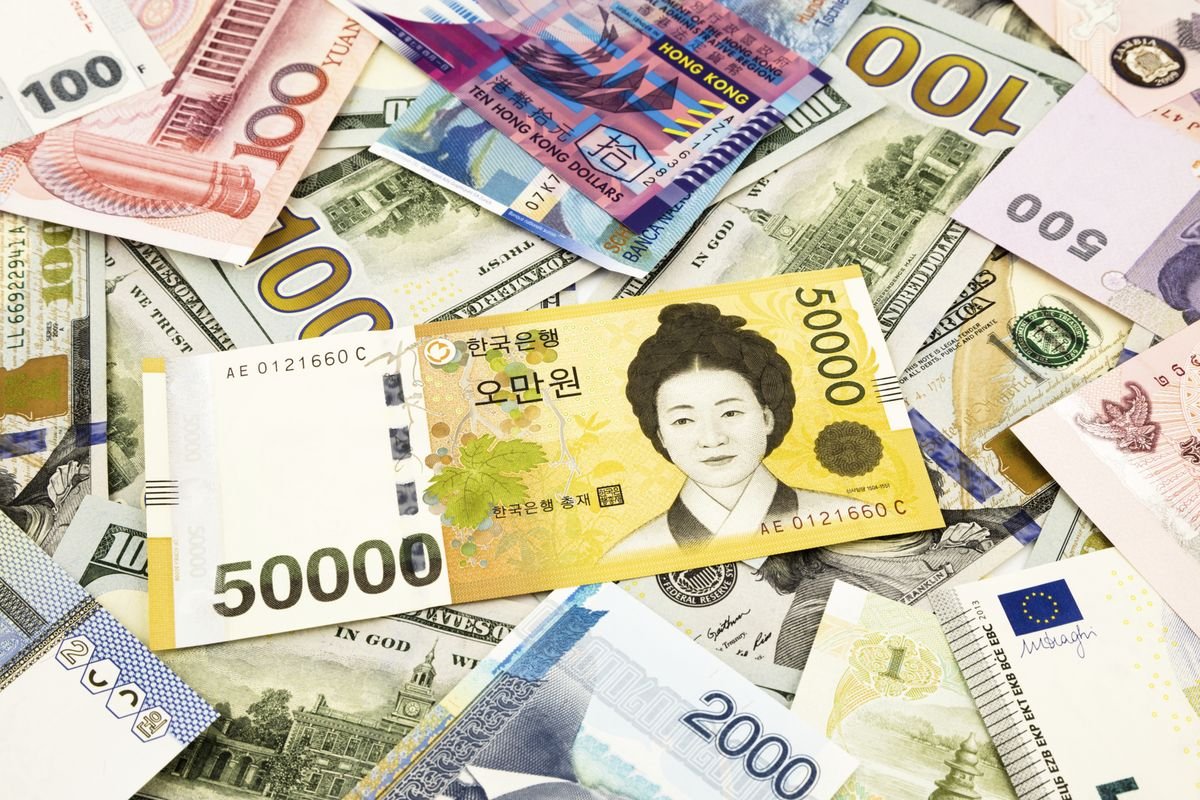
South Korea has sent a strong message to global financial markets after government officials expressed concern over the sharp weakness of the Korean Won. On July 2, 2026, authorities said the country may take action if pressure on the national currency continues to increase.
The Korean Won, known in forex markets as KRW, has faced serious weakness in recent weeks. Officials now believe the currency has fallen too much compared to its real economic value. Because of this situation, the government has started serious discussions about possible solutions.
This news quickly caught attention across the global foreign exchange market because traders know government action can change currency prices very fast.
For now, investors have started watching South Korea very closely.
Why The Korean Won Has Become So Weak
The Korean Won has lost value because several global economic pressures have created uncertainty in financial markets. Investors have moved money toward safer assets, especially the US Dollar, which remains strong because of high interest rates in the United States.
When investors choose safer currencies, smaller market currencies often lose value. South Korea has felt this pressure strongly over the last few months.
The difference between interest rates in South Korea and the United States has also played an important role. Higher rates in America often attract global capital, and this usually increases demand for the US Dollar.
As more investors buy dollars, other currencies, including the Korean Won, face downward pressure.
This situation has now pushed the Won to levels that concern government officials.
Officials Say The Currency Looks Undervalued
South Korean financial authorities have publicly stated that the Korean Won now appears significantly undervalued. In simple words, officials believe the current exchange rate does not correctly represent the true strength of the country’s economy.
South Korea remains one of the world’s major export economies. The country has strong technology companies, advanced manufacturing systems, and an important position in global trade.
Because of these economic strengths, policymakers believe the recent weakness of the Won looks excessive.
When officials use the word undervalued, markets usually understand that authorities believe the currency has dropped more than it should.
This statement alone can sometimes influence market behavior.
Government May Step Into Currency Markets
One of the biggest reasons traders reacted strongly to this news is the possibility of direct government action in currency markets.
Currency intervention happens when a country’s central bank or financial authorities directly buy or sell currencies in order to influence exchange rates.
If South Korea decides to support the Won, authorities may sell foreign reserves such as US Dollars and buy Korean Won in large amounts.
This action can reduce market pressure and help strengthen the local currency.
Governments usually take this step when they believe market movement has become too extreme or unstable.
Although no direct intervention has happened yet, officials have clearly shown concern.
That warning alone can affect trader decisions.
South Korea Begins Talks With Japan
Another major part of this development involves international coordination. South Korean officials confirmed discussions with Japan regarding foreign exchange market stability.
This detail matters because Japan has faced a similar problem over recent years. The Japanese Yen has also weakened sharply against the US Dollar, and Japanese authorities have repeatedly warned markets about excessive currency weakness.
Since both countries face similar challenges, cooperation may help improve stability across Asian financial markets.
When two major economies openly discuss currency concerns together, traders pay close attention.
This suggests the problem now extends beyond one country alone.
Financial authorities may now seek broader regional solutions.
Global Allies Also Join Discussions
South Korea also confirmed communication with allied nations regarding foreign exchange stability measures.
Although officials did not reveal every country involved, this statement suggests wider international concern over recent currency market volatility.
Foreign exchange markets work closely across borders. Sudden weakness in one major currency can affect investor confidence in nearby economies.
If multiple countries begin to face rapid currency declines at the same time, authorities sometimes coordinate responses.
This cooperation helps reduce panic and prevents disorder in global markets.
The fact that South Korea has started such discussions shows how seriously officials now view the current situation.
Why Forex Traders Reacted Quickly
Currency traders understand that government statements often create immediate market movement.
When officials openly discuss intervention or possible policy action, traders usually become more cautious. Some investors close positions early because unexpected intervention can create sudden price reversals.
If South Korea enters the market directly, large movements in KRW currency pairs may happen within minutes.
Pairs such as USD/KRW often react first because they directly measure the strength of the Korean Won against the US Dollar.
Many professional traders now watch every statement from South Korean policymakers very carefully.
Even small comments may influence market direction.
The Strong US Dollar Adds More Pressure
A major reason behind the current problem remains the strong US Dollar.
The Federal Reserve in the United States has kept a strict interest rate policy because inflation concerns continue to affect the economy. Higher interest rates usually attract global investment toward dollar assets.
This process increases demand for the US Dollar across world markets.
As dollar demand rises, currencies such as KRW, JPY, and several emerging market currencies often become weaker.
South Korea now faces exactly this problem.
As long as the US Dollar stays strong, pressure on the Korean Won may continue.
This creates a difficult challenge for policymakers.
What Happens Next For The Korean Won
The future direction of the Korean Won now depends on how South Korean authorities respond over the coming days.
If market pressure increases further, direct currency intervention may become a serious possibility. Government action could immediately push the Won higher if authorities decide to support the currency.
However, if no direct action comes, traders may continue testing weaker price levels.
Markets will also watch future discussions between South Korea, Japan, and other global partners.
For now, one thing has become very clear.
South Korea has openly shown concern over the weakness of the Korean Won, and officials now appear ready to protect currency stability if market pressure grows too large.
The global forex market now waits for the next move.
Also Read – This ₹48 Cr Deal Changes GK Energy’s Future