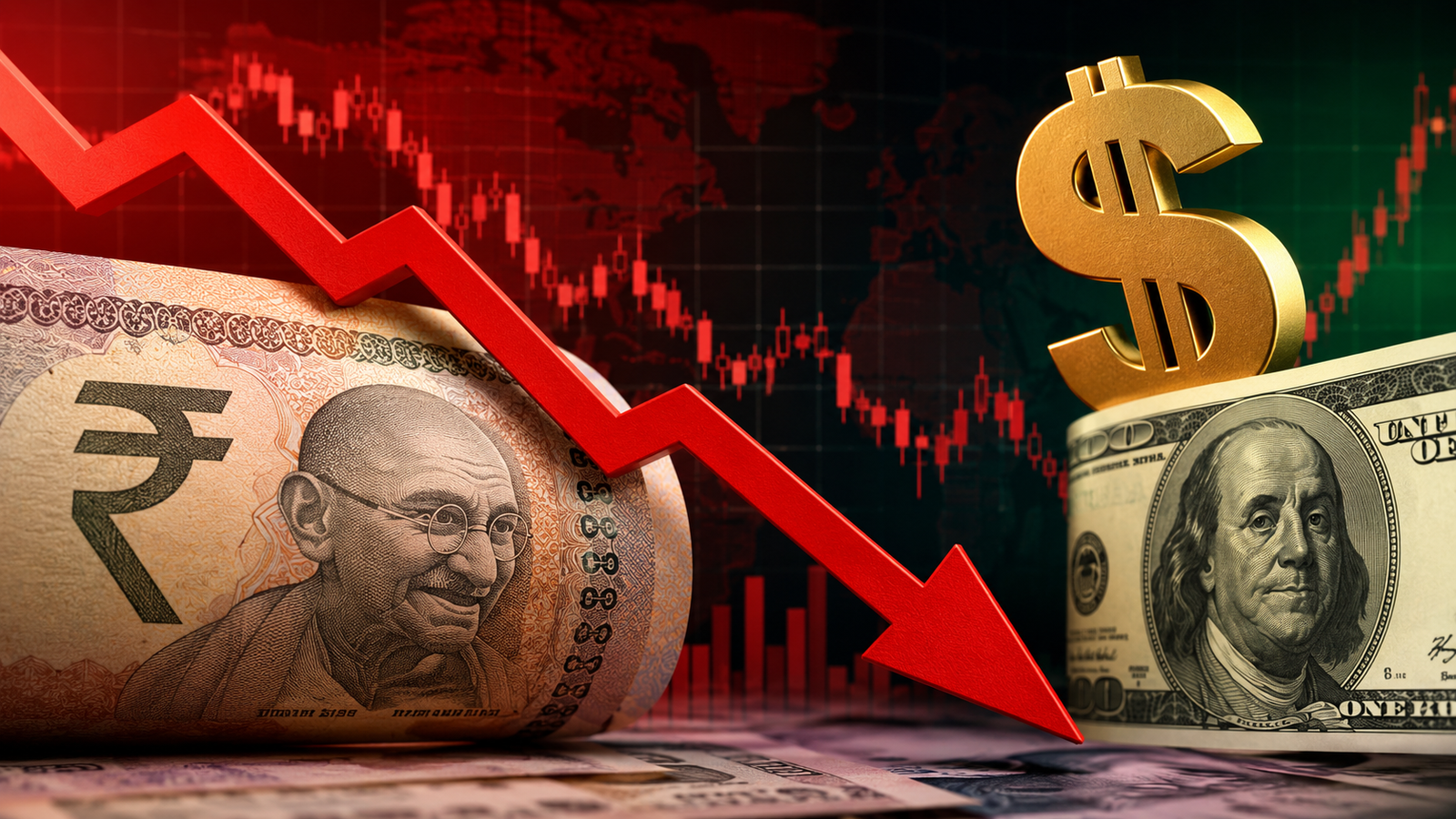
The Indian rupee started Friday on a weaker note against the US dollar. The local currency opened at 95.2750 per US dollar, which was slightly lower than the previous closing level of around 95.22. Even though the change looked small, it caught the attention of traders, businesses, and market experts.
The value of a currency changes every day because many local and global events affect demand and supply. Oil prices, global tensions, economic reports, and central bank action all play an important role. On this trading day, several of these factors came together and put pressure on the Indian rupee.
At the same time, the market did not see a sharp fall because the Reserve Bank of India, also known as the RBI, stepped in to keep the currency market stable. This helped reduce large swings during the early hours of trade.
Rupee Starts the Day on a Weak Note
The Indian rupee opened at 95.2750 against the US dollar. This was weaker than the previous closing level of about 95.22. A higher USD/INR exchange rate means one US dollar needs more Indian rupees. This shows that the rupee has lost some value against the dollar.
The difference between the previous close and the opening level was small. The rupee slipped by about 0.06 percent. While this may not look like a major change, even small movements matter in the foreign exchange market. Banks, exporters, importers, and investors watch these changes very closely because they affect business costs and financial decisions.
Higher Oil Prices Put Pressure on the Rupee
One of the biggest reasons behind the weaker opening was the rise in crude oil prices. India buys most of its crude oil from other countries. These purchases take place in US dollars.
When oil prices move higher, Indian companies need more dollars to pay for oil imports. This creates extra demand for the US dollar. As demand for the dollar rises, the Indian rupee often comes under pressure.
Higher oil prices also increase India’s import bill. This can affect the country’s trade balance and put more pressure on the local currency over time. Because of this, oil prices remain one of the most important factors for the rupee.
Global Tensions Increase Demand for the Dollar
Another important reason for the weaker rupee was growing concern over tensions in the Middle East. During times of global uncertainty, investors usually move their money into assets that they believe are safer.
The US dollar is one of the world’s safest and most trusted currencies. When global risks increase, demand for the dollar usually rises. As more investors buy dollars, many other currencies, including the Indian rupee, become weaker.
This pattern has appeared many times in the past. Political conflicts, military events, or other global problems often push investors toward the US dollar.
Market Waits for the US Jobs Report
The foreign exchange market also remained careful before the release of the US non-farm payrolls report. This report is one of the most important economic updates in the United States.
The report shows how many jobs employers added during the previous month, except for farm workers. Investors across the world study these numbers because they give clues about the strength of the US economy.
If the report shows strong job growth, the US dollar may become stronger. If the report shows weak numbers, the dollar may lose some strength. Because nobody knew the result before its release, many traders avoided large bets in the currency market.
Interest Rate Expectations Also Matter
The US jobs report also affects expectations about future interest rate decisions by the US Federal Reserve.
If the American economy remains strong, the Federal Reserve may decide to keep interest rates high for a longer period. Higher interest rates often attract more foreign money into the United States because investors can earn better returns.
When more money moves into US financial markets, demand for the dollar rises. This often creates pressure on other currencies, including the Indian rupee.
For this reason, traders kept a close watch on every new piece of economic information from the United States.
RBI Helps Keep the Market Stable
Although the rupee opened lower, the market did not see a sharp fall. Reports suggested that the Reserve Bank of India (RBI) likely entered the market through state-run banks.
The RBI often takes such steps when it wants to reduce sudden movements in the currency market. The central bank does not always try to change the direction of the rupee. Instead, it tries to prevent large and sudden swings that may create uncertainty.
Because of this support, the rupee stayed close to 95.26 per US dollar during the early part of the trading session. This helped improve confidence among market participants.
Why Currency Movements Matter
Changes in the value of the rupee affect many parts of the Indian economy. A weaker rupee makes imports more expensive because companies need more Indian currency to buy the same amount of US dollars.
This can increase the cost of imported products such as crude oil, electronic goods, machinery, and several industrial materials. Higher import costs may also push prices higher for businesses and consumers.
On the other hand, a weaker rupee can help exporters. Indian products become cheaper for buyers in other countries, which may support export demand.
Because of these effects, businesses closely follow daily movements in the exchange rate.
What Investors Watch Next
Market participants will continue to watch several important developments over the coming days. Oil prices remain one of the biggest factors for the rupee. Any sharp rise or fall in crude prices can quickly affect the currency.
Global political events will also remain important. Fresh developments in the Middle East or other regions can change investor confidence and influence demand for the US dollar.
At the same time, traders will study economic reports from both India and the United States. These reports help investors understand the health of each economy and guide future market decisions.
The RBI’s actions will also remain under focus. Market experts often watch whether the central bank enters the currency market to reduce excessive volatility.
Conclusion
The Indian rupee opened weaker at 95.2750 against the US dollar, compared with the previous closing level of around 95.22. The decline of about 0.06 percent came as higher crude oil prices, rising global tensions, and caution before the US non-farm payrolls report increased demand for the US dollar.
Despite these pressures, reports suggested that the Reserve Bank of India likely supported the market through state-run banks. This helped keep the rupee near 95.26 per US dollar during early trade and prevented a larger fall.
The day’s movement once again showed how global events, oil prices, economic data, and central bank action can influence the value of the Indian rupee. Investors, businesses, and traders will continue to watch these factors closely as they look for the next direction in the foreign exchange market.
ALSO READ: Kanpur Plastipack Q1 Results: Net Profit Jumps 112% YoY