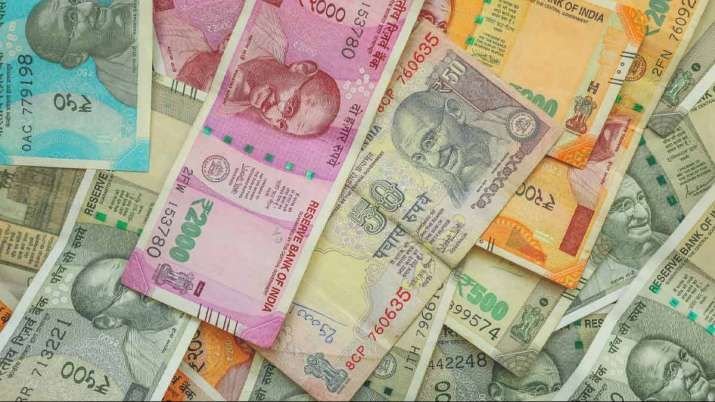
India has made a fresh move to give the Indian rupee a larger role in global trade. On Thursday, August 20, 2026, the government eased rules for export payments made in rupees. The change gives eligible rupee export receipts the same treatment as foreign-currency export earnings for trade policy benefits and export obligations.
The change is part of a wider effort to make the rupee more useful in trade between India and other countries. It also gives Indian exporters more choice when they agree on prices and payment terms with overseas buyers.
The Directorate General of Foreign Trade, or DGFT, made the change to the Foreign Trade Policy with immediate effect. Under the new rule, export contracts, invoices and payments with countries outside the Asian Clearing Union can be set in either Indian rupees or foreign currencies.
This may look like a small change in trade rules, but it has a much wider purpose. India wants more trade partners to accept the rupee as a normal currency for cross-border business.
Rupee Payments Get Equal Trade Benefits
The key part of the new rule is the treatment of export receipts.
Before this change, exporters faced limits when they received payment in rupees. In many cases, export proceeds had to arrive in freely convertible foreign currencies for the exporter to receive certain benefits under the Foreign Trade Policy.
The new rule removes that gap. Eligible rupee receipts can now qualify for trade policy benefits and count toward export obligations when the payment passes through approved banking channels.
This means an exporter does not have to choose a foreign currency simply to protect access to a trade benefit. A rupee payment can now receive equal treatment under the new framework, subject to the applicable rules.
The change can make the rupee a more practical choice for overseas trade. It can also give exporters more freedom when they make commercial agreements with buyers.
Why India Wants More Rupee Trade
India has taken several steps in recent years to raise the global role of its currency.
The basic idea is simple. If more exporters and importers use the rupee, India can reduce its need for foreign currencies for some trade deals. This could lower some currency risks and reduce the need for repeated conversion between the rupee and currencies such as the US dollar.
The government also wants overseas companies to see the rupee as a useful trade currency rather than a currency used mainly inside India.
The latest policy fits that larger goal. Reuters reported that the move aims to encourage wider use of the rupee in global trade settlements.
The step also comes after earlier changes by the Reserve Bank of India that created more scope for rupee-based cross-border trade.
What Has Changed for Exporters
The new policy gives exporters a clearer route for rupee-based deals.
Export contracts can now be set in rupees or foreign currencies for countries outside the Asian Clearing Union. Export invoices can also use the rupee, while eligible payments can arrive in the Indian currency through approved banking channels.
Rupee receipts can also count toward export obligations. This point matters for companies that must meet certain export targets under government trade schemes.
The policy also covers exports that receive support through EXIM Bank or Government of India lines of credit. Such exports can be invoiced in Indian rupees.
For exporters, the change can make the rules easier to understand. It also removes a major concern over whether a rupee payment would receive the same policy treatment as a foreign-currency payment.
Rules Are Different for Some Countries
The new system does not apply in exactly the same way to every country.
Special rules apply to members of the Asian Clearing Union, or ACU. The ACU includes Bangladesh, Iran, Maldives, Myanmar, Pakistan and Sri Lanka. Nepal and Bhutan also have separate arrangements.
For ACU members, trade contracts generally have to follow the currencies and settlement rules set by the ACU. Reserve Bank of India directions can also apply.
The ACU system allows member countries to settle net trade obligations at set intervals. This can reduce the need for many separate foreign exchange transfers.
Because of these special arrangements, exporters must still check the rules that apply to the country involved before they choose the rupee for a trade deal.
The Link With RBI Rupee Trade Rules
The latest DGFT move is not a stand-alone policy.
The Reserve Bank of India had already created a wider route for international trade settlement in Indian rupees in 2022. The government has since added more support for the system.
An Indian government document notes that an additional arrangement for export and import invoices, payments and settlements in INR was introduced through an RBI circular dated July 11, 2022.
The RBI also allowed authorised dealer banks to open Special Rupee Vostro Accounts, or SRVAs, for overseas correspondent banks without prior RBI approval under a change made in August 2025.
Another RBI change in October 2025 allowed balances in SRVAs to be invested in non-convertible debentures, bonds and commercial papers issued by Indian companies.
These steps show that India has been building a wider system for rupee-based international trade.
What It Means for the Indian Rupee
The policy could support the rupee over the long term, although it is not a direct promise of a stronger exchange rate.
A currency becomes more useful when more businesses accept it for trade. If more foreign buyers pay Indian exporters in rupees, demand for the currency can rise.
There is another possible benefit. Indian companies may face less foreign exchange risk when a trade contract is set in rupees. A company that receives dollars or another foreign currency can face a change in value before it converts that money into rupees.
A rupee-based deal can remove part of that risk because the invoice and payment use the same currency as the exporter’s home market.
However, the size of this benefit will depend on how many foreign companies choose the rupee.
The Dollar Still Has a Major Role
The new policy does not mean that India plans to stop the use of the US dollar in trade.
The dollar remains the main global reserve and trade currency. Many international commodities, loans and trade contracts still use the dollar.
India’s latest move is better seen as an effort to add another option.
If a foreign buyer is comfortable with the rupee, both sides can choose it. If the buyer prefers dollars or another major currency, the new rules still allow foreign-currency payments.
This flexibility is important because a global currency cannot grow through rules alone. Foreign businesses must also have a reason to hold and use it.
A Possible Boost for Indian Exporters
Indian exporters could gain from the new system if more overseas buyers accept rupee payments.
A simpler rupee payment route can reduce some currency conversion steps. It can also make trade deals easier for companies that have a natural need for rupees.
Small and medium exporters may benefit if banks provide simple payment channels under the new rules.
The impact will not be the same for every company. Exporters that already work with buyers who prefer dollars may see little immediate change. Firms with buyers that are open to rupee settlement may find the new framework more useful.
The biggest benefit may come over time if more overseas banks and companies develop a regular rupee trade network.
What This Means for Forex Markets
For the foreign exchange market, the policy is important because it adds another step in India’s effort to raise the international role of the rupee.
It does not mean the rupee will suddenly replace the dollar. The effect is likely to be gradual.
More rupee trade can create greater demand for the currency in some cross-border deals. It can also reduce the need for some transactions to pass through the dollar.
That could matter over the long term, especially if India expands trade with countries that are willing to accept rupee settlement.
At the same time, the rupee remains affected by the usual market forces. Oil prices, US dollar demand, foreign investment, interest rates and the Reserve Bank of India’s currency policy can all have a much larger short-term effect on USD/INR.
On August 20, the rupee also received support from a weaker US dollar. The currency rose 17 paise to ₹95.56 per US dollar, after it closed at ₹95.73 on Wednesday. Brent crude stood near $91.91 a barrel, which limited the rupee’s gain because India depends heavily on oil imports.
A Long-Term Step for the Rupee
India’s latest export rule is more than a technical change.
It gives exporters a clearer path to receive payments in rupees while keeping access to trade policy benefits. It also removes an important difference between rupee receipts and foreign-currency receipts.
The wider goal is clear: India wants the rupee to have a larger place in international commerce.
The new rule will not transform global trade overnight. The dollar remains far more widely used, and overseas businesses must first become comfortable with rupee settlement.
Still, the August 20 policy gives Indian exporters more choice and gives the rupee another route into cross-border trade.
If more countries, banks and companies accept the currency over time, the move could help India reduce some dependence on foreign currencies and build a stronger international role for the rupee.
Also Read – Indus Towers FY26 Results: Revenue Rises, Profit Falls