Cryptocurrency has become a popular choice for many people who want to invest their money. Bitcoin, Ethereum, and other digital coins have attracted both small and large investors. However, the crypto market has risks, and its rules differ from one country to another. Governments and financial authorities create rules to protect people, prevent crime, and keep the financial system safe.
These rules can have a direct effect on investors. They can change crypto prices, affect profits, limit access to certain services, and shape the future of digital money. Some rules may help investors feel safe, while others may create new problems. For this reason, every crypto investor should know how these rules work and how they may affect their money.
Investor Protection
One of the main goals of crypto rules is to protect investors from fraud and scams. Some crypto platforms may make false promises, hide important facts, or fail to protect customer funds. Clear rules can force exchanges and other service providers to follow safety standards and share correct information with their users.
These rules can also help reduce fraud and unfair market activity. When investors have access to clear facts about a crypto asset or platform, they can make better choices. They may also have more trust in the market.
However, rules cannot remove every risk. Crypto prices can still change very fast, and investors can still lose money. Even a legal and trusted platform may face problems. Therefore, investors should study each asset and understand the risks before they spend their money.
Effect on Crypto Prices
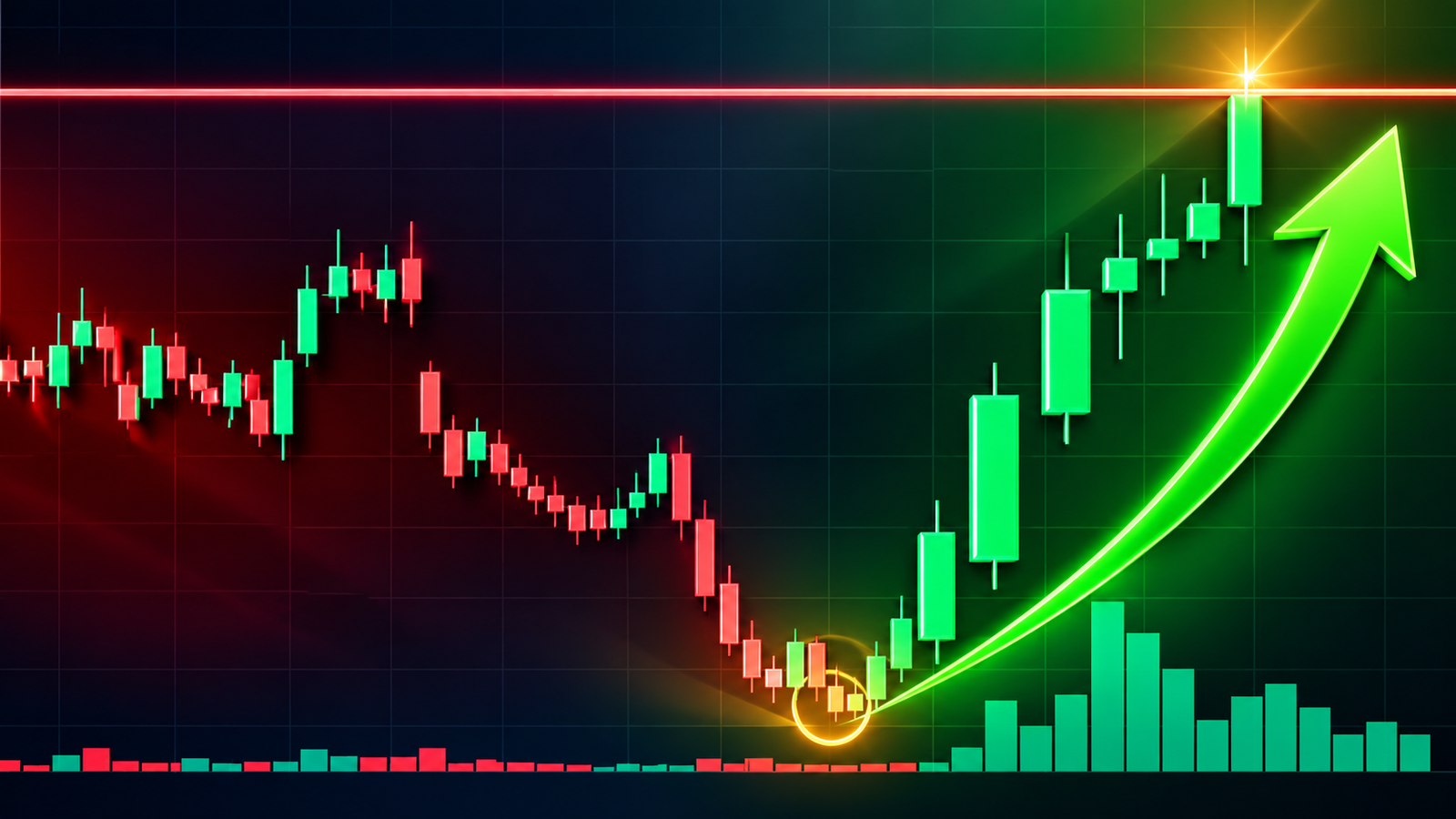
Government rules can have a strong effect on crypto prices. When a country introduces clear and supportive rules, investors may feel more confident about the market. Large financial firms may also show more interest in crypto. This can raise demand for digital assets and may lead to higher prices.
On the other hand, strict rules or a ban on certain crypto activities may cause fear among investors. Some people may sell their coins or leave the market. If demand falls, prices may also fall. News about new laws can cause sudden price changes, even before the rules take full effect.
The effect of a new rule depends on its purpose, its impact, and how the market reacts. A rule that helps protect users may support trust in the long term, even if it causes short-term price changes. Investors should not make quick choices based only on news about new crypto laws.
Taxes and Legal Duties
Taxes are another important part of crypto regulation. Many countries have rules for tax on crypto profits or other crypto-related income. The exact tax rate and method depend on local law. Investors may need to report their profits and keep records of their purchases, sales, and other crypto transactions.
These duties can affect the amount of money an investor keeps after a sale. For example, a person may earn a profit from a crypto trade but must pay tax on that profit under the rules of their country. This means the final return may be lower than the amount shown on the exchange.
Investors may also need to follow rules about identity checks and transaction records. These duties can take time and may add to the cost of crypto investment. A clear record of all transactions can help investors meet their legal duties and avoid possible fines.
Access to Crypto Markets
Crypto rules can affect how easily people buy, sell, and store digital assets. In countries with clear laws, banks and payment firms may feel more comfortable with crypto-related services. This can make it easier for people to move money to and from crypto platforms.
However, strict rules may limit access to certain exchanges, coins, or crypto products. Some platforms may stop their services in a country if they cannot meet local legal needs. As a result, investors may have fewer choices and may find it harder to trade their preferred assets.
Better access does not always mean lower risk. Investors must still check the safety of an exchange, its fees, and its legal status. They should also know how they can recover their funds if a platform closes or faces financial trouble.
Role of Large Investors
Large financial firms, banks, and other major investors can have a strong effect on the crypto market. Clear rules may encourage these groups to invest in digital assets. Their entry can bring more money into the market and may improve access to crypto services.
Large investors may also support better market systems and stronger safety measures. Their presence can help the market grow and may improve trust among ordinary users. Greater market activity may also make it easier to buy or sell some assets.
Still, large investors do not guarantee higher prices or safe returns. Their choices can also affect market prices, and they may sell large amounts of crypto during periods of fear. Small investors should not assume that a rise in institutional interest means that every crypto asset is a good choice.
Innovation and Market Growth
Crypto rules can shape the future of new financial technology. Blockchain, decentralized finance, and tokenization are some areas that may offer new ways to manage money and digital assets. Clear rules can help responsible firms develop these services while they follow basic safety standards.
However, very strict rules may make it harder for new companies to start or grow. Some firms may choose to move to countries where the rules are easier to follow. This can reduce local business activity and limit access to new products.
Weak rules can also create problems. Without proper checks, users may face fraud, poor security, or unfair business practices. The main challenge for governments is to protect users without blocking useful ideas. A fair balance can help the crypto market grow in a safer way.
Risks of Global Crypto Investment
Crypto markets operate across national borders, but the laws are not the same everywhere. A crypto asset or exchange may be legal in one country but face limits in another. This can create problems for people who trade on foreign platforms or hold assets through overseas services.
Investors must understand the laws that apply to them. They should check local tax duties, rules for overseas transfers, and any limits on the use of crypto exchanges. They must also consider whether a foreign platform can legally serve people from their country.
Changes in foreign laws can affect access to funds, trade options, and market prices. For this reason, global crypto investors should not assume that a service allowed in one country is also allowed in their own country.
Conclusion
Crypto regulation has a major effect on investors and their money. It can help protect users, improve trust, affect prices, set tax duties, and shape access to digital assets. Clear rules may also attract large financial firms and support new ideas. At the same time, strict laws can limit market access, raise costs, and create uncertainty.
Investors should learn the rules that apply in their country and keep clear records of their crypto activity. They should also study each asset, check the safety of their chosen platform, and prepare for sudden price changes. Most importantly, they should never assume that regulation removes all risk or guarantees a profit.
A careful approach can help investors make better choices. By understanding both the benefits and limits of crypto regulation, they can manage their money with greater care and make decisions based on facts rather than fear or excitement.
ALSO READ: Stablecoins Explained: How They Work & Why They Matter Today

