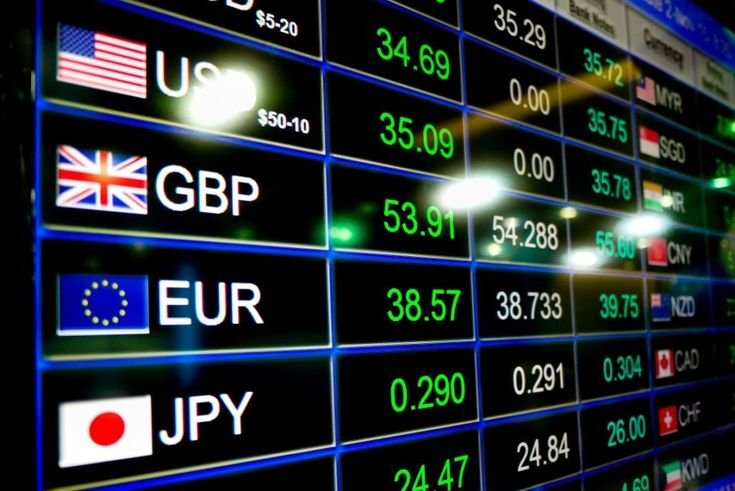
The British pound fell against the US dollar and the euro on October 26, 2026, as investors took a more careful approach before the UK’s budget announcement on Wednesday. The pound lost 0.15% against the US dollar to reach $1.3348. It also fell 0.31% against the euro to 83.98 pence.
These changes show that the UK budget can affect the value of the pound even before the government reveals its plans. Investors often study tax rules, public spending, government debt and economic forecasts before they decide where to place their money. If they expect a budget to bring higher costs or more debt, they may become less willing to hold assets linked to that country.
The latest move does not mean that the pound has entered a long-term decline. It shows that traders were more cautious ahead of an important event. The market may change direction once the government shares the full details of its budget and investors assess what those plans mean for the UK economy.
For people who follow the forex market, the pound’s fall offers a clear example of how political and economic events can affect currency prices. The key question now is whether the budget will ease market concerns or create fresh doubts about the UK’s financial outlook.
Pound Falls to $1.3348 Against the US Dollar
The pound fell 0.15% against the US dollar to $1.3348. This means that one British pound was worth about 1.3348 US dollars at the reported market level.
The GBP/USD pair is one of the most widely watched currency pairs in the forex market. It compares the value of the British pound with that of the US dollar. Banks, businesses, traders and investors follow this pair because both currencies play a major role in global trade and finance.
A fall in GBP/USD means that the pound has lost value relative to the dollar. As a result, a person who exchanges pounds for dollars may receive fewer dollars for the same amount of pounds, depending on the rate and fees offered by the exchange service.
The 0.15% decline was a modest move, but it showed that demand for the pound had weakened before the UK budget. Investors may have chosen to reduce their exposure to UK assets until they had a clearer view of the government’s financial plans.
The US dollar also plays a role in this pair. Its value can change due to US economic data, Federal Reserve policy and global demand for assets that investors view as safe. Therefore, the fall in GBP/USD reflects the relative value of both currencies, rather than the pound alone.
Pound Loses 0.31% Against the Euro
The British pound also fell 0.31% against the euro to 83.98 pence. This rate means that one euro was worth about 83.98 British pence at the reported market level.
The EUR/GBP pair measures the value of the euro against the pound. When this pair rises, the euro gains value relative to the British currency. In this case, the move to 83.98 pence showed that the euro had become stronger against the pound.
The decline against the euro was larger than the pound’s 0.15% fall against the US dollar. This difference highlights an important point about forex markets: a currency can lose value by different amounts against different currencies on the same day.
The euro may have received support from factors linked to the wider European economy, while the pound faced uncertainty over the UK’s budget plans. Differences in expected interest rates, economic growth and investor confidence can also affect the relationship between the two currencies.
For UK companies that buy goods from euro area countries, a weaker pound can raise the cost of imports. British travellers who visit countries that use the euro may also find that their pounds buy fewer euros. However, the final effect depends on the exchange rate offered by banks and currency services.
Why the UK Budget Matters to Forex Markets
A national budget sets out how a government plans to raise money and spend it. It can include changes to taxes, public services, welfare, infrastructure and other areas of the economy. The budget also gives investors clues about how the government plans to manage public debt.
The UK budget matters to the pound because investors need to assess the country’s financial outlook. If the government announces plans that appear affordable and credible, markets may respond well. If the plans raise doubts about public debt, future growth or the government’s ability to meet its targets, the pound may face pressure.
Taxes are one of the main areas that investors watch. Higher taxes can raise government income, but they may also reduce the amount of money that households and firms have available to spend or invest. Tax cuts may support consumer demand in some cases, but they can also raise concerns if they lead to a larger budget deficit without a clear source of funding.
Public spending is another key factor. More spending on roads, transport, health or other public services may support jobs and economic activity. However, if extra spending leads to a sharp rise in government borrowing, investors may ask how the government plans to pay for it.
The effect on the pound depends on the full budget, not one measure alone. Investors usually assess the likely impact on economic growth, inflation, interest rates and public finances before they form a clear view.
Why Investors Reduced Risk Before Wednesday’s Budget
The pound’s fall came as investors reduced risk ahead of Wednesday’s budget. This means that some market participants chose to limit their exposure to assets that could face sharp price changes after the announcement.
Major policy events often create uncertainty because the final details may differ from market expectations. Traders may have an idea of what the government plans to announce, but the exact tax changes, spending levels and debt forecasts may not be clear until the official statement.
When uncertainty rises, investors may cut the size of their positions or move some of their money into assets they consider less exposed to the event. Such choices can reduce demand for the pound and lead to a decline in its value.
This does not mean that all investors expect bad news from the budget. Some may simply prefer to wait until the details are public. Others may expect large price moves in either direction and choose to limit their risk.
The market reaction before the announcement can also change quickly. If fresh reports suggest that the budget will be more favourable than expected, the pound may recover. If new details raise doubts about taxes, borrowing or growth, the currency may face further pressure.
The Role of UK Government Debt
Government debt is one of the most important issues that can shape investor views of a national budget. When a government spends more than it receives in tax and other income, it often needs to borrow money to cover the gap.
Borrowing is not always a sign of poor economic management. Governments may borrow to support the economy, fund long-term projects or respond to a major crisis. The key issue is whether the level of debt remains manageable and whether the government has a credible plan for its finances.
Investors assess how much the government needs to borrow, how much it must pay in interest and whether its future income can cover its costs. If they believe debt could rise too quickly, they may demand higher returns to hold government bonds. Higher borrowing costs can then place more pressure on public finances.
Such concerns can affect the pound through several channels. Higher bond yields may attract some investors, but they can also signal greater risk if they rise because of concerns about government finances. The effect on the currency depends on why yields rise and how markets view the country’s economic outlook.
For this reason, the budget’s plans for tax income, public spending and debt will matter to currency traders. A clear and credible financial plan may help support confidence, while a lack of clarity could add to uncertainty.
How Interest Rates Could Affect the Pound
Interest rates are another major force in the forex market. In the UK, the Bank of England sets the main policy rate to help control inflation and support economic stability.
Higher UK interest rates can support the pound if they offer investors a better return than rates in other major economies. However, the effect depends on market expectations and the wider economic picture. If investors expect rates to fall, the pound may face pressure even before the Bank of England makes a change.
The budget could affect future interest rate expectations through its impact on demand, inflation and government borrowing. For example, a large rise in public spending may support economic activity, but it could also add to price pressure if demand grows faster than supply.
Tax changes can also affect the outlook. Some measures may reduce demand and ease inflation pressure, while others may raise costs for households and businesses. The Bank of England must assess these effects before it decides whether to keep rates steady, raise them or cut them.
Investors will therefore look at the budget alongside economic data and central bank comments. The budget alone will not decide the pound’s next move, but it may change expectations about the path of UK interest rates.
What the Pound’s Fall Means for British Households and Businesses
Changes in the pound’s value can affect everyday costs as well as financial markets. When the pound loses value against the euro or dollar, imported goods may become more expensive for UK buyers if firms pass on the higher cost of foreign products.
The UK imports many goods from overseas, including food, fuel, machinery, electronic products and industrial materials. A weaker pound can raise the cost of these items when firms convert their foreign currency bills into pounds.
However, the effect is not always immediate. Some firms have contracts that fix prices for a set period. Others may have currency plans that help them manage exchange rate changes. The impact on shop prices depends on import costs, transport fees, supplier deals and the level of demand.
British exporters may benefit from a weaker pound in some cases. Their goods can become cheaper for overseas buyers when prices are set in pounds. Firms may also receive more pounds when they convert income earned in dollars or euros. Yet these benefits depend on their costs, contract terms and the currencies they use.
For households, the effect may be most clear when they travel abroad or buy goods whose prices depend on imports. A small daily change in the exchange rate does not mean every price will change at once, but a lasting fall in the pound can affect costs over time.
What Forex Traders Should Watch Next
The next major event for sterling is Wednesday’s UK budget announcement. Traders will want to compare the government’s actual plans with what the market already expects. The difference between those two can be just as important as the budget details themselves.
If the government presents a clear plan for public finances and investors view it as credible, the pound may find support. A budget that raises concerns about debt, taxes or economic growth could put further pressure on sterling. Neither outcome is certain before the full details are known.
Traders should also watch the US dollar and euro for signs of wider market change. US economic data and Federal Reserve policy may affect GBP/USD, while euro area data and European Central Bank decisions may influence EUR/GBP.
It is also important to watch bond yields, inflation data and comments from policymakers. These factors can help explain whether a currency move reflects a short-term reaction or a broader change in market expectations.
A single price move should not serve as the only reason for a trade. Forex prices can change rapidly after major announcements, and traders who use leverage can face large losses. Careful risk control and a clear plan are important, especially during periods of policy uncertainty.
Conclusion
The British pound fell on October 26, 2026, as investors took a cautious approach before the UK’s budget announcement on Wednesday. Sterling lost 0.15% against the US dollar to $1.3348 and dropped 0.31% against the euro to 83.98 pence.
The main concern was uncertainty about the government’s financial plans. Investors wanted more clarity on taxes, public spending, borrowing and the wider economic outlook before they took on more risk.
The pound’s next move will depend on the budget details and how markets judge their likely effects. A credible plan could help restore confidence, while fresh concerns about public finances or economic growth could weigh on sterling.
For forex traders, the key lesson is simple: currency prices respond not only to current economic conditions but also to what investors expect next. Wednesday’s budget may provide the answers that markets need, but the reaction will depend on whether the final plans match, exceed or fall short of those expectations.
Also Read – IT Services Stocks: Key Metrics Every Investor Should Know