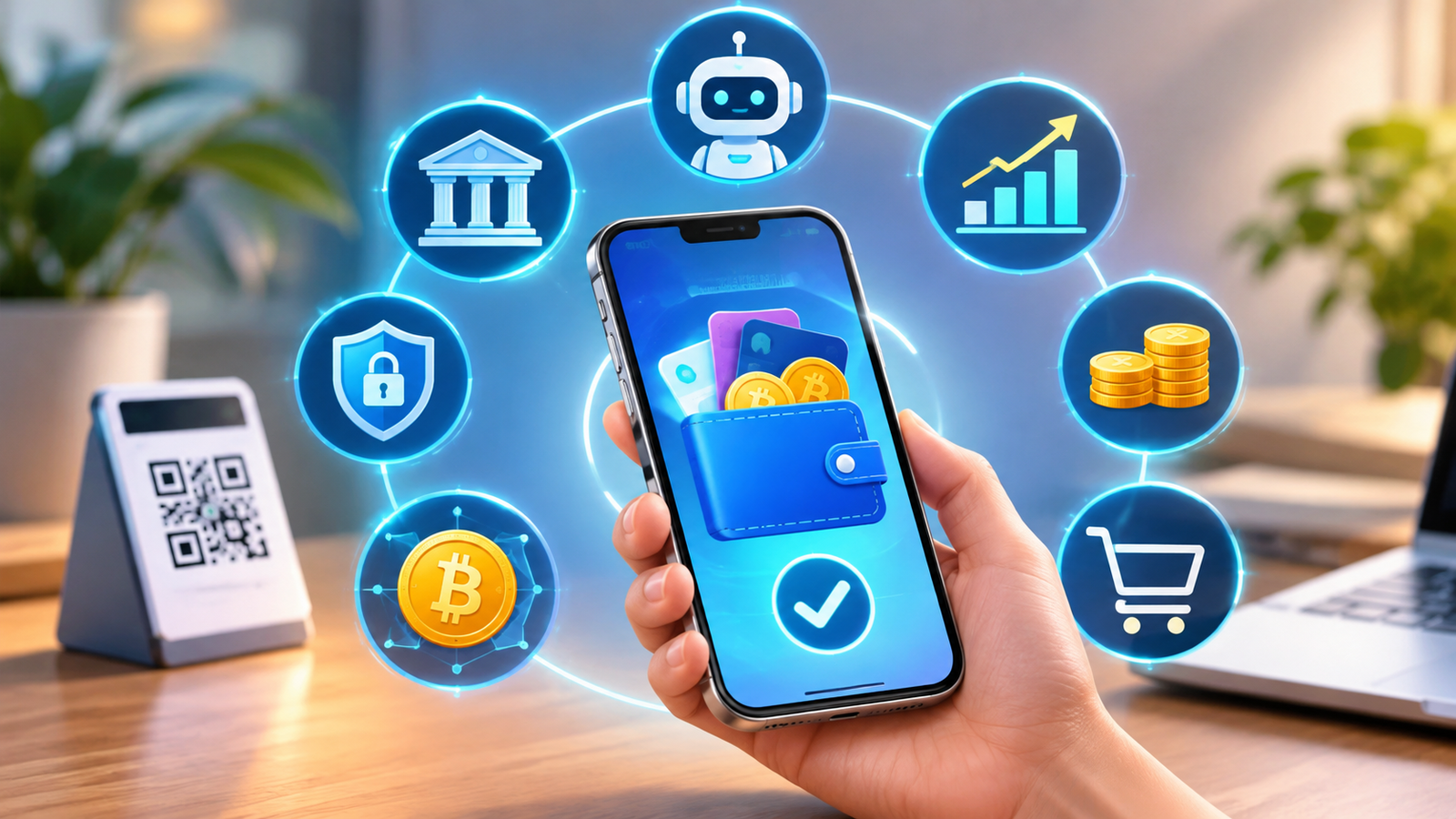
Technology has changed the way people use and manage money. In the past, people had to visit banks, wait in long queues, and fill out forms to complete simple tasks. Today, most of these services are available on mobile phones. People can send money, pay bills, check their bank balance, save money, and invest without a visit to the bank.
This change is possible because of financial technology, also known as fintech. It combines finance with technology to make money services faster, easier, and more useful. It has also helped people who had limited access to banks in the past.
Several new fintech trends now affect personal finance. From digital payments to artificial intelligence, these tools give people more control over their money and help them make better financial choices.
Digital Payments Make Money Transfers Easy
Digital payments are one of the biggest changes in personal finance. People no longer need to carry cash for every purchase. They can use mobile apps, QR codes, debit cards, and online payment services to pay for goods and services.
In India, the Unified Payments Interface (UPI) has made digital payments simple and fast. People can transfer money from one bank account to another within seconds. They can also pay shopkeepers, settle bills, and make online purchases with ease.
Digital payments save time and reduce the need for cash. They also create a clear record of expenses, which helps people track their money. However, users must stay alert to online fraud and never share their PINs or passwords with others.
Artificial Intelligence Helps Manage Money
Artificial intelligence, or AI, has become an important part of modern financial services. Many banks and finance apps use AI to study spending habits, review expenses, and offer useful advice.
For example, an AI-based finance app can show how much a person spends on food, travel, shopping, and other needs. It can also alert users when their expenses go above their usual level. Some tools suggest ways to save more based on a person’s income and spending habits.
AI also helps banks detect unusual transactions and identify possible fraud. This adds another layer of safety to online payments and bank accounts.
These tools make personal finance easier to understand. However, people should not depend fully on AI for important money decisions. They must check the facts and use their own judgment.
Neobanks Offer Online Banking Services
Neobanks are digital banks that offer most of their services through websites and mobile apps. Unlike traditional banks, they usually do not depend on physical branches to serve customers.
Users can open accounts, check balances, transfer money, and manage cards through their phones. Some neobanks also offer tools to track expenses and set savings goals.
These services are useful for young adults, frequent travellers, and people who prefer online banking. They also offer a simple way to access basic financial services.
However, customers should check the safety, fees, and rules of a service before they open an account. In some countries, neobanks work with licensed banks rather than hold a banking licence of their own. It is important to know which company holds the money and protects the account.
Personal Finance Apps Help Control Expenses
Personal finance apps have made it easier to manage daily expenses. These apps allow users to record their income, check their spending, and set monthly budgets.
For example, a person can set a fixed amount for food, shopping, rent, and travel. The app can then show whether the person has stayed within the budget or spent too much.
Some apps also send reminders for bill payments and loan instalments. This helps people avoid late fees and keep their finances in order.
A clear view of income and expenses can help people save more and avoid unnecessary purchases. Still, users must choose trusted apps and check what personal and financial data they collect.
Digital Investment Platforms Create New Opportunities
In the past, many people found it difficult to invest because they had limited knowledge or access to financial experts. Digital investment platforms have made this process easier.
Today, people can use online platforms to invest in mutual funds, stocks, bonds, and other financial products. Some apps also offer simple guides that explain how different investments work.
These platforms allow people to start with small amounts, based on the rules of each product. This has made investment services more accessible to young people and first-time investors.
However, easy access does not mean every investment is safe. Stock prices can rise or fall, and some products carry a high level of risk. People should understand their goals, risk limits, and time period before they invest.
Embedded Finance Makes Payments More Convenient
Embedded finance means that financial services are available within apps and websites that people already use. Users do not always need to visit a separate bank or finance app to access these services.
For example, an online shopping app may offer a payment plan at checkout. A travel app may provide travel insurance, while a ride service may offer a digital payment option.
This makes financial services more convenient because people can access them at the right time. It also gives businesses new ways to serve their customers.
However, users should read the terms and conditions before they accept loans, credit offers, or other financial products. A quick payment option may come with extra fees or interest.
Buy Now, Pay Later Changes Shopping Habits
Buy Now, Pay Later, often called BNPL, is a service that allows customers to buy a product at once and pay for it later. Some services let users pay in small parts over a set period.
This option has become popular because it gives people more choice at the time of purchase. It can help with planned expenses when users understand the payment terms.
But BNPL can also create money problems if people use it too often. Several small payments can add up and become hard to manage. Late payments may also lead to extra charges.
People should use this service with care and make sure they can pay the full amount on time.
Blockchain and Cryptocurrency Bring New Options
Blockchain is a digital record system that stores information across a network of computers. It is best known as the technology behind cryptocurrencies such as Bitcoin.
Blockchain has the potential to make some financial transactions more clear and secure. It may also help reduce the need for certain middlemen in financial services.
Cryptocurrencies have attracted people who want to explore new forms of digital assets. However, their prices can change very quickly, which makes them risky investments.
Rules for cryptocurrency also differ from one country to another. People should understand the legal and financial risks before they use these products. Blockchain has many possible uses, but not every service based on this technology is safe or reliable.
Better Security Protects Online Finance
As more people use digital financial services, online safety has become more important. Banks and payment companies now use tools such as face recognition, fingerprint checks, one-time passwords, and transaction alerts to protect customer accounts.
AI can also help identify unusual activity and warn users about possible fraud.
Despite these safety measures, users must take care of their own accounts. Strong passwords, safe internet connections, and regular account checks can reduce the risk of fraud.
People should never share bank details, OTPs, or UPI PINs with anyone. They should also avoid unknown links and suspicious calls that ask for personal information.
Conclusion
Fintech has changed personal finance in many ways. Digital payments, AI-based tools, neobanks, investment apps, and new financial services have made money management easier and more accessible.
These changes give people better control over their income, expenses, savings, and investments. They also create new opportunities for people who once had limited access to financial services.
However, technology alone cannot guarantee good financial decisions. Users must understand the services they choose, protect their personal data, and stay aware of possible risks.
The future of personal finance will depend on how well people use these tools. With the right knowledge and careful choices, fintech can help people build better money habits and create a more secure financial future.
ALSO READ: Index Funds vs Active Funds: Which One Is Right for You?