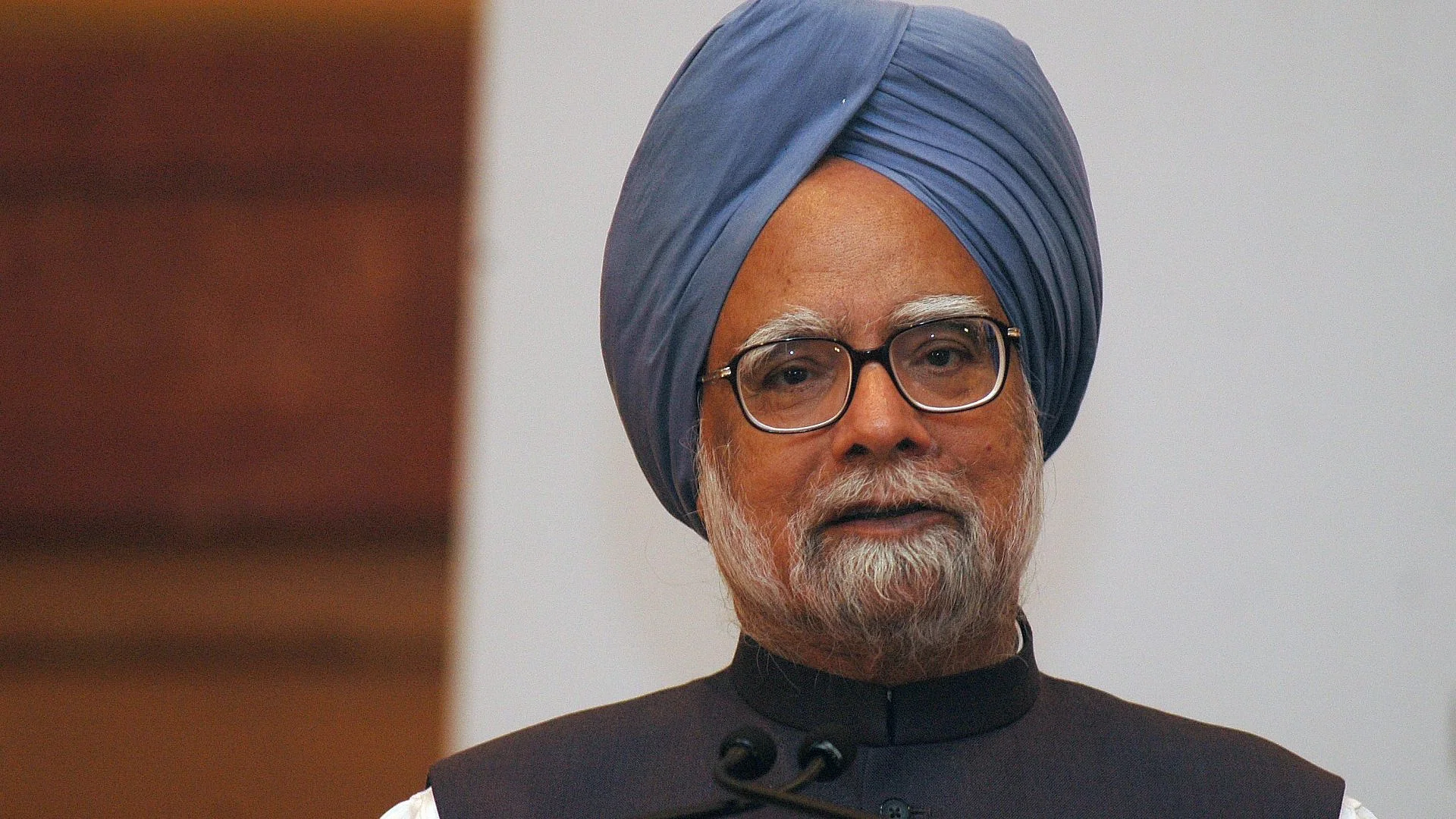
Dr. Manmohan Singh, the 13th Prime Minister of India and one of the country’s most respected statesmen, passed away at the age of 92 in Delhi on Thursday, December 26, 2024. Singh’s demise has left a void in Indian politics and economics, marking the end of an era defined by visionary leadership and transformative reforms.
The Announcement
The news of Singh’s passing was first shared by Robert Vadra, the husband of Congress leader Priyanka Gandhi, on Instagram. Vadra expressed his condolences, stating, “I am deeply saddened to learn of the passing of Fmr Prime Minister Manmohan Singh ji… My deepest condolences for his family and loved ones. Thank you for your service to our Nation. You will always be remembered for your Economic revolution and progressive changes, you brought to the country.”
News agencies like ANI and News24 also reported Singh’s demise, reflecting the deep impact of his passing across political and public spheres.
Final Hours
Reports suggest that Dr. Singh was admitted to the All India Institute of Medical Sciences (AIIMS) in Delhi on Thursday evening after his health deteriorated. He was taken to the emergency department, but at the time of filing this report, AIIMS Delhi had neither officially confirmed his demise nor provided updates about his condition.
Priyanka Gandhi Vadra was seen entering AIIMS Delhi, as visuals shared on social media platforms indicated her presence at the hospital during Singh’s final moments.
Legacy of a Transformational Leader
The Prime Minister (2004-2014)
Dr. Manmohan Singh served as the Prime Minister of India during the United Progressive Alliance (UPA) governments from 2004 to 2014. His tenure was marked by landmark policies and significant achievements that reshaped India’s socio-economic landscape.
Singh’s governance focused on inclusive growth, poverty alleviation, and infrastructural development. The Right to Information Act (RTI), Mahatma Gandhi National Rural Employment Guarantee Act (MGNREGA), and the Indo-US Civil Nuclear Agreement are among the key milestones of his premiership.
The Finance Minister (1991-1996)
Dr. Singh’s legacy extends beyond his time as Prime Minister. As the Finance Minister in the PV Narasimha Rao government from 1991 to 1996, Singh spearheaded India’s economic liberalization. Faced with a balance of payments crisis, Singh introduced a series of structural reforms that opened the Indian economy to global markets. These measures included reducing trade barriers, deregulating industries, and encouraging foreign investment, laying the foundation for India’s rapid economic growth.
His famous budget speech in 1991, where he quoted Victor Hugo, remains etched in history: “No power on earth can stop an idea whose time has come.”
Reactions from the Political Sphere
Dr. Singh’s demise has elicited heartfelt tributes from across the political spectrum. Leaders, colleagues, and citizens alike mourn the loss of a leader who combined humility with intellect and pragmatism.
Robert Vadra, in a tweet, reiterated his Instagram message, emphasizing Singh’s contributions to India’s economic transformation. He stated, “You will always be remembered for your Economic revolution and the progressive changes you brought to the country.”
A Life of Dedication and Service
Early Life and Education
Born on September 26, 1932, in Gah (now in Pakistan), Dr. Singh’s journey from a humble background to the highest office in the nation is inspirational. A brilliant student, he pursued economics at Punjab University, followed by advanced studies at Cambridge University and a doctorate from Oxford University.
Academic and Bureaucratic Career
Before entering politics, Dr. Singh held esteemed positions in academia and the bureaucracy. He served as the Chief Economic Advisor, Governor of the Reserve Bank of India, and Deputy Chairman of the Planning Commission, contributing significantly to policy-making and economic governance.
Parliamentary Contributions
Dr. Singh was a member of the Rajya Sabha for several decades, representing the Congress party. His speeches in Parliament reflected his deep understanding of economic and global affairs, earning him respect across party lines.
Mourning the Loss
Dr. Singh’s passing is a moment of profound loss for India. Known for his integrity, intellect, and humility, he remained a figure of inspiration for generations. His contributions to India’s economic and political landscape will be remembered as milestones in the nation’s history.
The Congress party and leaders from various political affiliations are expected to organize events to honor his memory. Tributes are pouring in from international leaders, economists, and organizations, recognizing his pivotal role in shaping modern India.
Conclusion
Dr. Manmohan Singh was more than a statesman; he was a visionary who believed in the power of ideas and their capacity to transform lives. From steering India out of an economic crisis in the 1990s to leading the country through a period of remarkable growth in the 2000s, Singh’s contributions are unparalleled.
His passing leaves behind a legacy of dedication, service, and progress. As the nation mourns, it also celebrates the life of a leader who epitomized wisdom, humility, and resilience. Dr. Singh’s work will continue to inspire and guide India for generations to come.
ALSO READ: Stocks in Focus After Ratan Tata’s Demise