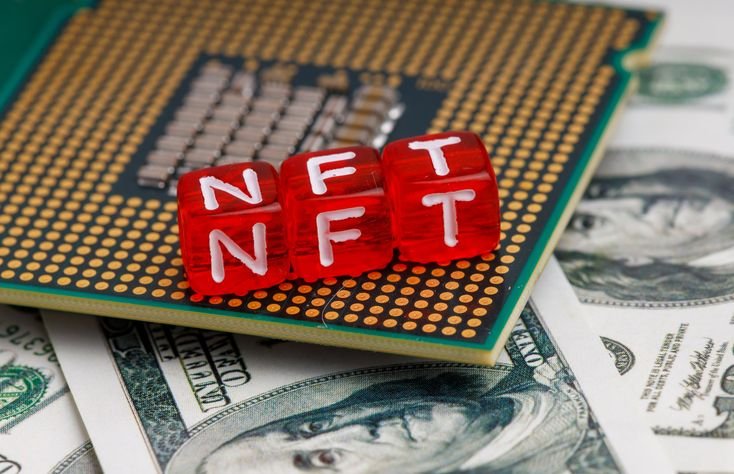
Non-fungible tokens (NFTs) exploded into the mainstream as digital art, collectibles, and metaverse assets. Their unique nature and blockchain-based ownership promised a revolution in digital culture and finance. But behind the hype, one of the most manipulative practices from traditional markets has found fertile ground: wash trading.
In NFT markets, wash trading involves the same entity buying and selling an NFT back and forth—often between wallets they control—to artificially inflate its price and trading volume. The tactic misleads collectors into believing there’s genuine demand, lures retail into overpaying, and distorts entire marketplaces.
This article explores how NFT wash trading works, why it thrives, and what it means for traders, artists, and the future of the industry.
1. What Is Wash Trading in NFTs?
Wash trading is the practice of executing trades without genuine market risk—buying and selling between accounts you control.
In NFTs, wash traders often:
- Move assets between their own wallets to simulate activity.
- List and re-buy the same NFT repeatedly at higher prices.
- Use bots to cycle trades across multiple tokens.
The goal: create the illusion of demand and rising value.
2. Why Floor Price Matters
In NFT markets, the floor price—the lowest price at which an NFT from a collection can be purchased—is a key metric. It signals the perceived value of a project.
- Rising floors attract new buyers.
- Falling floors trigger panic selling.
By inflating floor prices through wash trades, manipulators can make a project appear successful, luring unsuspecting collectors into paying premiums.
3. How NFT Wash Trading Works
Step 1: Setup
A manipulator controls multiple wallets, often funded through mixers or exchanges to obscure origins.
Step 2: Initial Listing
The NFT is listed at a price above its organic market value.
Step 3: Fake Buys
The manipulator buys the NFT from themselves across wallets. Each new sale pushes the “last sold” price higher.
Step 4: Volume Inflation
High trading volume shows up on platforms like OpenSea, Blur, or aggregators, giving the impression of strong demand.
Step 5: Exit
Retail collectors, seeing a “hot” NFT with rising prices, jump in. The manipulator then sells genuinely to outsiders—profiting from the artificial hype.
4. Historical Examples
- LooksRare Launch (2022): The platform’s token rewards for trading volume incentivized massive wash trading, with billions in fake trades cycling between wallets.
- X2Y2 and Blur: Similar reward systems fueled wash trading waves, inflating statistics and misleading markets.
- Obscure Collections: Countless small projects have been pumped via wash trades, with floor prices collapsing once hype fades.
Wash trading is not confined to shady projects—it has plagued even the largest NFT platforms.
5. Motivations Behind Wash Trading
- Price Pumping: To lure new buyers by showing rising floor prices.
- Liquidity Illusion: To make a thin market appear active.
- Platform Farming: To earn token incentives tied to trading volume.
- Portfolio Inflation: To make NFT holdings look more valuable for loans or collateral.
In all cases, wash traders profit at the expense of genuine buyers.
6. The Psychology of Wash Trading
NFT wash trading preys on human psychology:
- FOMO: Fear of missing a “moonshot” project drives collectors to buy quickly.
- Herd Behavior: When others appear to be buying, traders follow.
- Authority Bias: High volume and floor prices are interpreted as validation.
- Greed: The belief of flipping for profit clouds skepticism.
Wash traders exploit the fact that NFT buyers often act emotionally rather than analytically.
7. The Role of Marketplaces
NFT marketplaces enable wash trading—sometimes inadvertently, sometimes by design.
- Incentive structures: Reward programs based on trading volume encourage manipulation.
- Lack of KYC: Anonymous accounts make multi-wallet manipulation easy.
- Thin liquidity: Low organic demand makes wash trades disproportionately impactful.
Some marketplaces, eager to boost statistics, turn a blind eye to wash trading because it makes their platforms appear more active.
8. The Impact on Collectors and Artists
- Retail Losses: Buyers overpay for NFTs based on inflated floors.
- Trust Erosion: When scams are exposed, collectors lose faith in the market.
- Artist Harm: Genuine creators are overshadowed by manipulated projects.
- Ecosystem Instability: Repeated manipulations fuel bubbles and crashes, undermining mainstream adoption.
Wash trading damages not only investors but the credibility of the entire NFT movement.
9. Detection of NFT Wash Trading
Analysts and blockchain sleuths use several indicators:
- Same-wallet links: Identifying trades between wallets with shared origins.
- Short holding periods: NFTs flipped within minutes or hours between the same parties.
- Unrealistic pricing: Assets traded far above average market values.
- Excessive volume in obscure projects.
Tools like Nansen, Dune Analytics, and Chainalysis are helping surface these patterns.
10. Legal and Regulatory View
- Traditional finance: Wash trading is explicitly illegal under securities law.
- Crypto/NFTs: Regulators are catching up, with cases in the U.S. and U.K. already filed against manipulators.
- Future oversight: As NFTs are increasingly tied to financial assets (loans, collateral), expect tighter crackdowns.
But enforcement remains challenging due to pseudonymity and cross-border activity.
11. Can Wash Trading Be Stopped?
a) Marketplace Reforms
- Excluding suspicious trades from volume metrics.
- Penalizing repeat offenders with bans.
- Adjusting incentive structures to reduce manipulation.
b) Transparency Tools
- Public dashboards highlighting suspicious trading patterns.
- Independent verification of floor price metrics.
c) Regulation
- Explicitly banning NFT wash trading under financial fraud laws.
- Cross-jurisdiction cooperation to track and prosecute offenders.
d) Education
- Teaching collectors to look beyond floor price.
- Promoting due diligence over hype chasing.
12. Lessons for Collectors
- Don’t trust floor price blindly. Check organic volume and unique wallet activity.
- Research projects. Look for real communities and utility, not just price pumps.
- Be cautious of reward-driven marketplaces. Incentives often mask wash trades.
- Diversify. Don’t overexpose to single projects vulnerable to manipulation.
Knowledge and skepticism are the strongest defenses.
Conclusion
NFT wash trading to inflate floor prices is one of the most deceptive practices in the digital asset world. By faking demand, manipulators lure retail traders into overpaying, fuel speculative bubbles, and erode trust in the broader NFT movement.
Until marketplaces reform their incentives, regulators tighten oversight, and collectors learn to question floor prices, wash trading will remain a favorite tool of insiders. For NFTs to achieve legitimacy, transparency and integrity must replace manipulation and hype.
ALSO READ: The mutual fund that collapsed overnight: the XYZ Fund scandal