For most investors, portfolios begin and end with stocks and bonds. While these asset classes form a solid foundation, they are not the only drivers of long-term returns or risk management. Commodities — raw materials such as gold, oil, metals, and agricultural products — behave very differently from equities and fixed income.
Commodity ETFs allow investors to access these assets in a simple, exchange-traded format without dealing with physical storage, futures contracts, or complex trading infrastructure. By 2026, commodity ETFs have become an increasingly important tool for diversification, inflation protection, and portfolio resilience.
This article explains commodity ETFs in depth: what they are, how they work, the different types available, performance behaviour across market cycles, risks and costs, and how investors can use them wisely as part of a diversified portfolio.
No links. No hype. Just practical understanding.
What Are Commodity ETFs?
Commodity ETFs are exchange-traded funds that provide exposure to commodities or commodity-related assets. Instead of owning shares in companies, these ETFs track the price movement of physical commodities or commodity indexes.
They allow investors to participate in commodity price movements without:
-
Buying and storing physical commodities
-
Trading futures directly
-
Managing rollovers or margin requirements themselves
Commodity ETFs trade on stock exchanges like equity ETFs and can be bought or sold through standard brokerage accounts.
How Commodity ETFs Gain Exposure
Commodity ETFs generally use one of three structures:
1. Physical-backed ETFs
These ETFs hold the physical commodity in secure vaults or storage facilities.
Common examples:
-
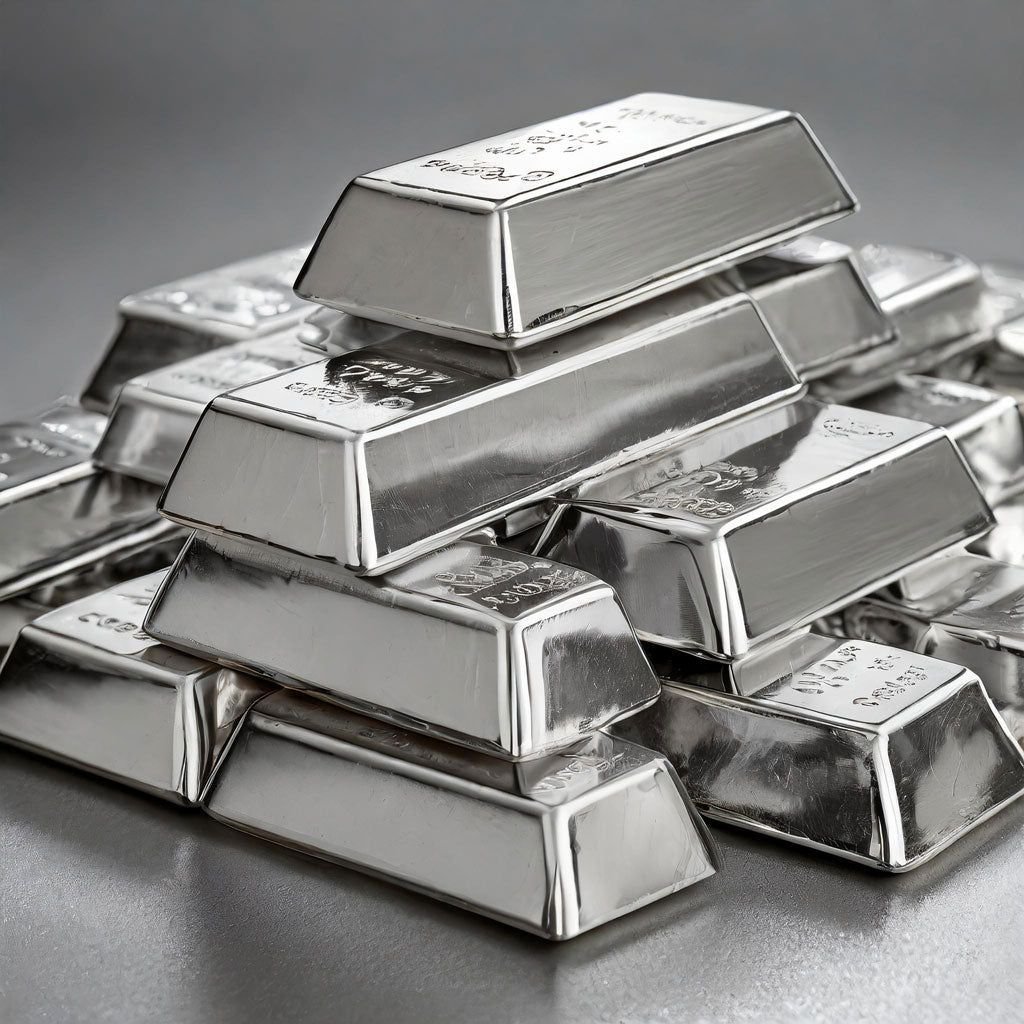
Gold ETFs
-
Silver ETFs
Key features:
-
Direct price tracking (minus costs)
-
No futures roll risk
-
Storage and insurance costs embedded in expense ratio
2. Futures-based ETFs
These ETFs gain exposure by holding commodity futures contracts rather than physical assets.
Common examples:
-
Crude oil ETFs
-
Natural gas ETFs
-
Broad commodity basket ETFs
Key features:
-
Exposure via rolling futures contracts
-
Subject to contango and backwardation
-
Performance may differ significantly from spot prices
3. Commodity equity ETFs
These invest in companies involved in commodity production, such as miners, energy producers, or agricultural firms.
Key features:
-
Indirect exposure to commodity prices
-
Influenced by equity market sentiment
-
Higher correlation with stocks than pure commodities
These are sometimes mistaken for commodity ETFs but behave differently from physical or futures-based funds.
Major Categories of Commodity ETFs
By 2026, commodity ETFs fall into several broad categories:
1. Precious Metals ETFs
Examples of commodities: Gold, silver, platinum
Why investors use them:
-
Hedge against inflation
-
Store of value during financial stress
-
Diversification against equities
Performance behaviour:
-
Often performs well during market crises
-
Sensitive to real interest rates and currency movements
-
Long periods of sideways movement are common
Precious metals ETFs are the most widely used commodity ETFs globally.
2. Energy ETFs
Examples of commodities: Crude oil, natural gas
Why investors use them:
-
Exposure to global energy demand
-
Tactical plays on supply-demand imbalances
-
Hedge against energy-driven inflation
Performance behaviour:
-
Extremely volatile
-
Strongly influenced by geopolitics, production decisions, and global growth
-
Futures structure can significantly affect returns
Energy ETFs are typically used for short- to medium-term positioning rather than long-term holding.
3. Industrial Metals ETFs
Examples of commodities: Copper, aluminum, nickel
Why investors use them:
-
Linked to industrial growth and infrastructure
-
Beneficiaries of electrification and energy transition
-
Sensitive to economic cycles
Performance behaviour:
-
Cyclical and growth-linked
-
Can outperform during global expansions
-
Vulnerable during recessions
Industrial metals often act as a proxy for global economic health.
4. Agricultural Commodity ETFs
Examples of commodities: Wheat, corn, soybeans, sugar
Why investors use them:
-
Exposure to food inflation
-
Diversification benefits
-
Low correlation with equities over long periods
Performance behaviour:
-
Influenced by weather, supply shocks, and seasonal cycles
-
Less correlated with financial markets
-
Returns can be uneven and unpredictable
Agricultural ETFs are niche tools rather than core holdings.
5. Broad Commodity Basket ETFs
These ETFs track a diversified index of commodities across energy, metals, and agriculture.
Why investors use them:
-
One-stop commodity diversification
-
Reduced single-commodity risk
-
Inflation-hedging characteristics
Performance behaviour:
-
Highly dependent on energy weightings
-
Cyclical
-
Sensitive to global growth and inflation trends
These are often preferred for long-term commodity exposure.
Why Investors Add Commodities to Portfolios
Commodity ETFs are rarely used to replace stocks or bonds. Their value lies in how they behave differently.
1. Inflation Protection
Commodities are real assets. When inflation rises:
-
Commodity prices often increase
-
Purchasing power erosion is partially offset
This makes them useful during periods of high inflation or supply shocks.
2. Diversification Benefits
Commodities often have:
-
Low correlation with stocks and bonds
-
Different return drivers
This can reduce overall portfolio volatility when combined with traditional assets.
3. Crisis and Geopolitical Hedge
Certain commodities, especially gold, tend to perform well during:
-
Financial crises
-
Currency devaluation
-
Geopolitical uncertainty
4. Exposure to Global Growth and Transitions
Industrial metals and energy commodities benefit from:
-
Infrastructure expansion
-
Urbanisation
-
Energy transition and electrification
These trends may not be fully captured by equity markets alone.
Performance Reality: What Commodity ETFs Actually Deliver
Long-term returns
Unlike equities, commodities do not inherently compound. They do not generate earnings or dividends. As a result:
-
Long-term real returns are often modest
-
Returns are cyclical rather than steadily upward
Commodity ETFs are better viewed as portfolio stabilisers rather than primary growth engines.
Cyclicality
Commodity performance often follows long cycles:
-
Multi-year bull markets driven by supply constraints or demand booms
-
Extended bear markets due to oversupply or weak growth
Timing matters more for commodities than for equities.
Inflation regimes
Commodity ETFs tend to perform best when:
-
Inflation is rising
-
Real interest rates are falling
-
Supply constraints exist
They may underperform during low-inflation or disinflationary periods.
Risks Unique to Commodity ETFs
Commodity ETFs carry risks that differ from traditional investments:
1. Futures roll risk
Futures-based ETFs must regularly roll contracts. In contango markets, this can erode returns even if spot prices rise.
2. High volatility
Commodity prices can move sharply due to:
-
Weather events
-
Geopolitical tensions
-
Policy decisions
-
Supply disruptions
This volatility can test investor patience.
3. No income generation
Most commodity ETFs do not produce dividends or interest, reducing their appeal for income-focused investors.
4. Complexity
Understanding futures structures, index methodologies, and commodity cycles requires more effort than holding equity ETFs.
5. Tracking differences
Returns may deviate from spot prices due to costs, roll yields, and fund structure.
Costs and Expense Ratios (2026)
Commodity ETFs generally have higher costs than equity index ETFs.
Typical ranges:
-
Physical gold ETFs: ~0.30%–0.80%
-
Futures-based commodity ETFs: ~0.50%–1.20%
-
Broad commodity baskets: ~0.40%–0.90%
Higher costs reflect:
-
Storage and insurance
-
Futures management
-
Index licensing and roll mechanics
Costs matter more for long-term holdings due to the absence of compounding.
How Much Should Investors Allocate to Commodities?
For most investors, commodities are a satellite allocation, not a core holding.
Common allocation ranges:
-
Conservative portfolios: 3–5%
-
Balanced portfolios: 5–10%
-
Aggressive or inflation-focused portfolios: up to 15%
Gold often makes up the majority of commodity exposure due to its defensive properties.
Commodity ETFs vs Commodity Stocks
Many investors confuse commodity ETFs with commodity-producing stocks.
Key differences:
Commodity ETFs
-
Track commodity prices directly
-
Low correlation with equity markets
-
No earnings or dividends
Commodity stocks
-
Equity risk remains
-
Influenced by management, costs, and leverage
-
Often pay dividends
Both can coexist in portfolios, but they serve different purposes.
How to Use Commodity ETFs Strategically
Commodity ETFs work best when used intentionally.
1. As an inflation hedge
Maintain a steady allocation rather than chasing price spikes.
2. As a crisis diversifier
Gold ETFs are particularly effective here.
3. As a tactical allocation
Experienced investors may tactically increase exposure during favourable commodity cycles.
4. As part of a multi-asset portfolio
Commodities complement equities, bonds, real estate, and cash.
Common Investor Mistakes
-
Expecting commodities to outperform equities long term
-
Buying after sharp rallies
-
Overallocating to volatile energy ETFs
-
Ignoring futures roll costs
-
Using commodities as short-term trading tools without understanding risks
A Simple Commodity Allocation Framework
For a balanced long-term investor:
-
Equity ETFs: 60–70%
-
Debt / bond ETFs: 20–30%
-
Commodity ETFs: 5–10%
-
Gold: 3–6%
-
Broad commodities or industrial metals: 2–4%
-
This keeps commodities supportive rather than dominant.
Final Thoughts: Commodities as Portfolio Insurance, Not Growth Engines
Commodity ETFs allow investors to go beyond stocks and bonds — adding diversification, inflation protection, and resilience to portfolios. But they are not substitutes for equity growth or fixed-income stability.
Their strength lies in what they do differently, not in delivering consistent high returns.
Used thoughtfully, commodity ETFs can:
-
Reduce portfolio volatility
-
Protect purchasing power
-
Improve diversification
-
Provide exposure to real-world economic forces
Used recklessly, they can:
-
Increase volatility
-
Disappoint during long sideways periods
-
Distract from long-term goals
In 2026, the smartest way to use commodity ETFs is not to chase trends, but to treat them as insurance assets — held patiently, sized conservatively, and integrated into a disciplined, diversified portfolio.
ALSO READ: Top 10 Play-to-Earn Games