The European Union has taken a decisive step by banning Russia-based crypto platforms, sending shockwaves across the global digital asset market. This move forms part of a broader strategy to tighten financial restrictions and limit alternative channels that could bypass traditional sanctions.
Authorities across the EU have enforced strict rules that prohibit crypto service providers from engaging with Russian entities. This ban affects exchanges, wallet services, and any platform that facilitates crypto transactions linked to Russia. The decision has immediately disrupted cross-border flows and altered trading dynamics.
Why the EU Imposed the Ban
The EU aims to close loopholes that allow sanctioned entities to move funds outside the traditional banking system. Cryptocurrencies offer speed, anonymity, and borderless transfers, which make them attractive for circumventing restrictions.
European regulators believe that Russian-linked platforms have enabled financial activity that undermines sanctions. By banning these platforms, the EU seeks to strengthen enforcement and maintain pressure on Russia’s financial ecosystem.
This move reflects a growing recognition that crypto markets play a critical role in global finance. Governments now treat digital assets as part of the broader economic and geopolitical landscape.
Immediate Impact on Crypto Markets
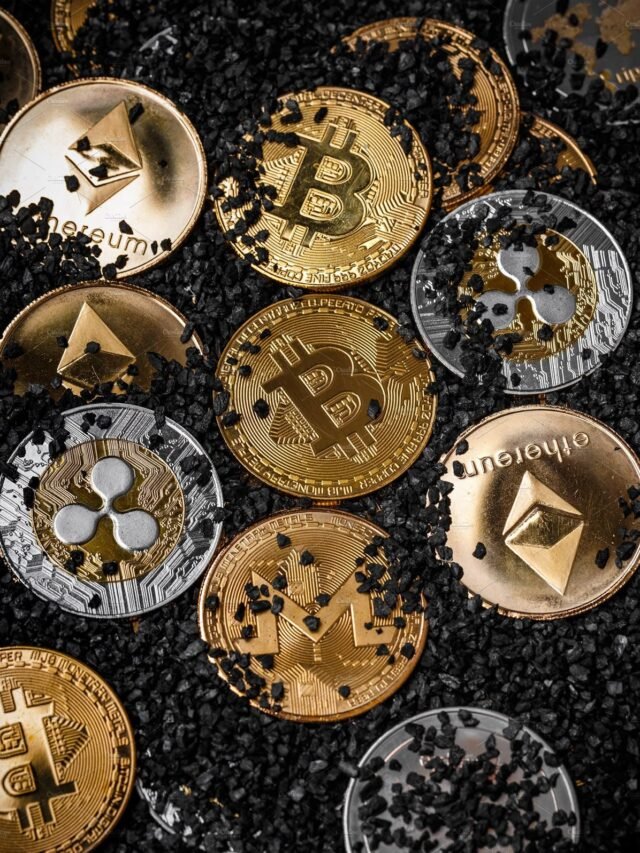
The announcement triggered volatility across major cryptocurrencies, including Bitcoin and Ethereum. Traders reacted quickly as uncertainty spread through the market.
Liquidity dropped in certain trading pairs that relied heavily on Russian participation. This decline created wider spreads and increased price fluctuations. Markets that once saw consistent activity now face reduced volume and shifting demand patterns.
Short-term traders have adjusted their strategies to account for these changes. Many have reduced exposure or shifted funds to more stable assets during this period of uncertainty.
Disruption of Cross-Border Crypto Flows
Russian crypto platforms have played a significant role in facilitating cross-border transactions. These platforms connected users across Europe, Asia, and other regions, enabling seamless fund transfers.
The ban has disrupted these networks. Users who relied on these services must now seek alternative platforms or routes. This transition has created delays, higher costs, and operational challenges.
Businesses that depended on crypto for international payments have felt the impact immediately. Many now face restrictions that complicate their financial operations.
Pressure on Russian Crypto Ecosystem
The EU’s decision places significant pressure on Russia’s crypto ecosystem. Exchanges and service providers must adapt quickly or risk losing access to European markets.
Russian platforms now face reduced liquidity and limited international participation. These challenges could weaken their competitiveness and restrict growth.
At the same time, local users may turn to decentralized platforms or peer-to-peer networks. This shift could reduce transparency and create new regulatory challenges for authorities.
Ripple Effects Across Global Exchanges
Global crypto exchanges have responded swiftly to the EU’s directive. Many have updated compliance measures and restricted access for affected users.
These changes highlight the interconnected nature of the crypto market. A policy decision in one region can influence platforms worldwide. Exchanges must balance regulatory compliance with user accessibility, which often creates complex operational challenges.
The situation has also prompted exchanges to strengthen their monitoring systems. They now track transactions more closely to ensure compliance with international regulations.
Regulatory Momentum Gains Strength
The EU’s action reflects a broader trend toward stricter crypto regulation. Governments worldwide are increasing oversight to address risks associated with digital assets.
Regulators aim to prevent misuse while supporting innovation. This balance remains difficult to achieve, especially in a rapidly evolving market.
The ban on Russian platforms signals that authorities will take decisive action when necessary. It also sets a precedent that other regions may follow in similar situations.
Investor Sentiment Turns Cautious
Investors have responded with caution as the implications of the ban unfold. Regulatory actions often introduce uncertainty, which can influence market behavior.
Many investors now monitor geopolitical developments more closely. They recognize that policy decisions can impact crypto markets just as strongly as technical factors.
Despite short-term concerns, long-term investors continue to view crypto as a valuable asset class. They see regulatory developments as part of the market’s maturation process.
Opportunities Amid Disruption
While the ban has created challenges, it has also opened new opportunities. Platforms that comply with international regulations may gain market share as users shift away from restricted services.
Developers and entrepreneurs may explore solutions that enhance transparency and compliance. These innovations could strengthen the overall ecosystem.
Institutional players may also benefit. Increased regulation often attracts institutional capital by reducing uncertainty and improving market structure.
What Lies Ahead for the Crypto Market
The EU’s ban on Russian crypto platforms marks a significant moment in the evolution of digital finance. It highlights the growing intersection between geopolitics and cryptocurrency markets.
Market participants must adapt to a landscape where regulation plays an increasingly important role. Traders, investors, and businesses will need to stay informed and flexible.
The long-term impact will depend on how other regions respond and how the market adjusts to new restrictions. One thing remains clear—crypto no longer operates outside the reach of global policy decisions.
Conclusion
The European Union’s ban on Russia-based crypto platforms has reshaped the market in a matter of days. It has disrupted liquidity, altered trading patterns, and introduced new challenges for users and businesses.
At the same time, it has reinforced the importance of regulation in the crypto space. As digital assets continue to integrate into global finance, such actions will become more common.
The market now stands at a crossroads. Adaptation, innovation, and compliance will define the next phase of growth in the cryptocurrency ecosystem.
Also Read – Side Hustles to Fund Your Portfolio