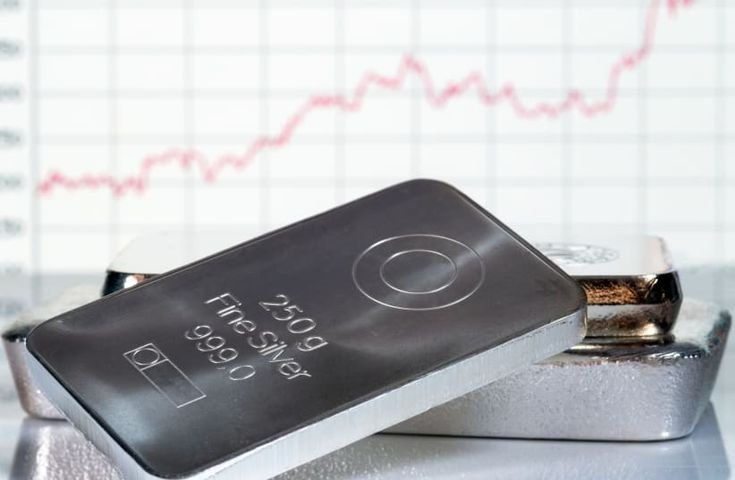
Silver prices moved lower as rising oil prices intensified inflation concerns across global markets. Traders reacted quickly to changing expectations around interest rates, which placed pressure on precious metals. Silver, known for both industrial and investment demand, faced stronger headwinds than gold in this environment.
Oil Rally Reshapes Market Dynamics
Oil prices climbed sharply due to supply concerns and geopolitical tensions. This rally increased production and transportation costs across industries. Higher costs spread through supply chains and pushed inflation higher.
Investors track oil closely because it acts as a leading indicator for inflation trends. When oil prices rise, inflation often follows. This relationship affects multiple asset classes, including silver.
The recent oil surge triggered a shift in market sentiment. Traders adjusted expectations for monetary policy and moved away from assets that struggle under high interest rates.
Inflation Pressures Build Across Economies
Rising oil prices added to existing inflation pressures in major economies. Businesses faced higher input costs, which reduced margins and increased prices for consumers.
Central banks monitor inflation carefully. When inflation rises, policymakers avoid cutting interest rates. In some cases, they consider tightening further.
Silver often benefits from inflation as a hedge. However, this time, the effect of higher interest rates outweighed inflation-driven demand.
Interest Rate Expectations Weigh on Silver
Markets entered the week with expectations of potential rate cuts. The oil-driven inflation surge changed that outlook. Investors now expect central banks to maintain higher rates for longer.
Higher interest rates reduce the appeal of silver because it does not generate yield. Investors often shift toward bonds or interest-bearing assets in such conditions.
The stronger US dollar also added pressure. A stronger dollar makes silver more expensive for global buyers, which reduces demand and lowers prices.
Silver Underperforms Gold
Silver showed weaker performance compared to gold during this period. While both metals faced pressure, silver reacted more sharply due to its industrial exposure.
Gold primarily acts as a store of value. Silver, on the other hand, depends heavily on industrial demand. When economic uncertainty rises, industrial demand weakens, which affects silver prices.
This dual nature makes silver more volatile. In the current environment, investors reduced exposure to silver faster than gold.
Industrial Demand Concerns Grow
Silver plays a key role in industries such as electronics, solar panels, and manufacturing. Rising costs and economic uncertainty slowed activity in these sectors.
Companies adjusted production plans due to higher input costs and uncertain demand. This trend reduced industrial consumption of silver.
Investors factored in these concerns when pricing silver. The combination of weaker industrial demand and macroeconomic pressure created a strong downward push.
Traders React to Market Signals
Short-term traders responded quickly to price movements and technical indicators. When silver broke below key support levels, selling accelerated.
Momentum-driven strategies amplified the decline. Traders followed trends and reduced positions as signals turned bearish.
Institutional investors also adjusted portfolios. Many shifted funds toward energy assets that benefit from rising oil prices.
Retail investors showed mixed reactions. Some viewed lower prices as an opportunity, while others waited for clearer direction.
Technical Indicators Confirm Downtrend
Technical analysis showed clear signs of weakness in silver prices. Momentum indicators pointed downward, and price charts reflected consistent selling pressure.
Support levels failed to hold, which triggered additional selling. Traders often rely on these levels to make decisions, so their breakdown carried strong implications.
Despite this weakness, some analysts expect stabilization once markets adjust to new macro conditions.
Geopolitical Factors Add Uncertainty
Geopolitical tensions contributed to rising oil prices and broader market uncertainty. These developments often increase demand for safe-haven assets.
However, in the current situation, inflation and interest rate concerns dominated investor behavior. Silver did not benefit significantly from safe-haven demand.
Investors continue to monitor geopolitical developments. Any escalation could shift sentiment and influence commodity prices.
Long-Term Outlook Remains Intact
Silver still holds strong long-term potential despite short-term pressure. Several factors support its future growth:
- Expansion of renewable energy projects
- Increasing demand for solar technology
- Continued use in electronics and industrial applications
These structural trends create a solid foundation for silver demand. Once macroeconomic pressures ease, silver may regain strength.
Key Factors to Watch Ahead
Investors should focus on several important indicators in the coming weeks:
- Oil price movements
- Inflation data releases
- Central bank policy decisions
- Industrial production trends
Changes in any of these areas will influence silver’s direction. Markets may shift quickly as new data emerges.
Conclusion
Silver prices declined as rising oil prices fueled inflation concerns and altered interest rate expectations. Investors responded by reducing exposure to non-yielding assets and industrial metals.
The market now faces a complex environment where inflation supports silver, but high interest rates limit its upside. This balance will shape price movements in the near term.
While short-term pressure continues, silver’s long-term outlook remains strong due to its industrial importance and growing role in clean energy. Investors who understand these dynamics will better navigate the evolving market landscape.
Also Read – Top 10 ETFs for Beginners