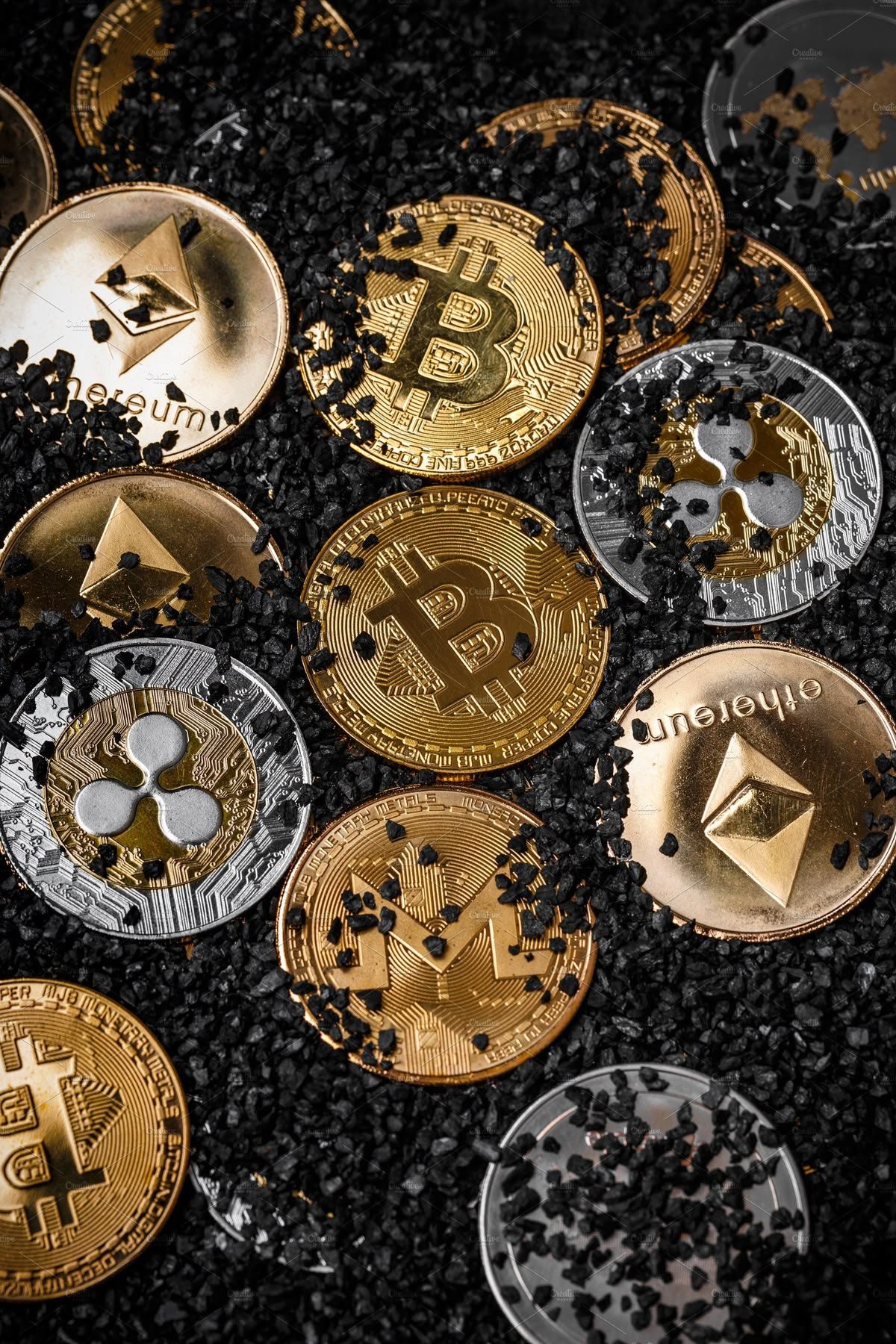
The global cryptocurrency landscape in 2026 is undergoing a defining transformation. Regulatory clarity, institutional participation, and macroeconomic forces are converging to shape a new era for digital assets. Recent developments surrounding Coinbase Global Inc, stablecoin regulations, and the performance of Bitcoin highlight how the industry is maturing while still retaining its volatility and speculative appeal.
This article explores the latest breakthroughs in crypto legislation, market behavior, and emerging investment opportunities, offering a comprehensive view of where the sector stands today—and where it may be headed.
Regulatory Breakthrough: A Turning Point for Crypto
One of the most significant recent developments is the agreement reached in the United States regarding stablecoin yield provisions. For months, lawmakers were deadlocked over whether crypto platforms should be allowed to offer interest-like rewards on stablecoin holdings.
At the center of this debate were concerns from traditional banking institutions. Banks argued that allowing such rewards could trigger “deposit flight,” where customers move funds away from savings accounts into higher-yielding digital assets. This concern reflects a broader tension between traditional finance and decentralized finance.
The compromise that has now been reached allows crypto platforms to continue offering rewards, but under stricter limitations. This represents a middle ground: innovation is preserved, but systemic risks are addressed.
Importantly, this agreement is expected to unlock progress on broader crypto legislation. The proposed bill aims to clearly define regulatory oversight between the U.S. Securities and Exchange Commission and the Commodity Futures Trading Commission—a long-standing issue that has created uncertainty for companies and investors alike.
Clear jurisdictional boundaries could significantly reduce legal ambiguity, encouraging institutional participation and long-term investment.
Coinbase and the Strategic Importance of Stablecoins
For companies like Coinbase, this regulatory clarity is crucial. Stablecoins play a central role in the crypto ecosystem, acting as a bridge between fiat currencies and digital assets. They enable trading, lending, and yield generation without the volatility typically associated with cryptocurrencies.
The ability to offer rewards on stablecoins is not just a feature—it is a competitive advantage. It allows platforms to attract users, increase engagement, and generate additional revenue streams.
Coinbase’s Chief Policy Officer emphasized that the agreement protects users’ rights to earn rewards based on genuine network participation. This framing is important because it positions rewards not as speculative incentives, but as part of a functional ecosystem.
From an investment perspective, this development strengthens Coinbase’s long-term outlook. Regulatory clarity reduces risk premiums and could lead to higher valuations, especially if the company can capitalize on increased adoption.
Bitcoin’s Resurgence and Market Dynamics
While regulatory developments are unfolding, the market itself is showing renewed strength. Bitcoin has rebounded strongly, hovering near the $78,000 mark after a period of consolidation.
Several factors are driving this resurgence:
1. Macroeconomic Alignment
Bitcoin is increasingly behaving like a risk asset, moving in tandem with equities. As stock markets reach record highs, liquidity flows into cryptocurrencies, boosting prices.
2. Institutional Inflows
Large-scale investors continue to enter the market, providing stability and upward momentum. This trend has been building over the past few years and is now a key pillar of Bitcoin’s valuation.
3. Geopolitical Factors
Temporary easing of geopolitical tensions, such as developments involving Iran and the United States, has improved investor sentiment. However, lingering uncertainties continue to cap gains.
Despite these positive factors, Bitcoin faces a critical resistance level around $80,000. This psychological and technical barrier has repeatedly limited upward movement. A निर्ण decisive breakout could trigger the next major rally.
Altcoins and Market Breadth
Bitcoin’s performance often sets the tone for the broader crypto market, and recent gains have lifted altcoins as well.
- Ethereum continues to benefit from its dominant position in decentralized applications.
- XRP has shown steady gains amid improving regulatory sentiment.
- Solana and Cardano are advancing as scalable blockchain solutions.
- Meme tokens like Dogecoin remain speculative but continue to attract retail interest.
The overall trend suggests a healthy market environment where gains are not limited to a single asset class. This diversification is a sign of maturation, as capital spreads across multiple projects and use cases.
Tether and the Role of Reserves
Another important development comes from Tether, the largest stablecoin provider. The company has adjusted its reserve strategy, significantly reducing gold purchases in the first quarter compared to the previous period.
Tether’s reserves remain heavily weighted toward U.S. Treasury Bills, with gold representing a smaller portion. This shift reflects a preference for liquidity and stability over diversification.
Interestingly, Tether still holds substantial gold reserves, positioning it among the top holders globally if compared to central banks. This dual approach—combining traditional financial instruments with physical assets—illustrates how crypto firms are evolving into hybrid financial entities.
For investors, the composition of stablecoin reserves is critical. It directly impacts trust, stability, and systemic risk. Transparent and conservative reserve management can enhance confidence in the broader crypto ecosystem.
Global Regulatory Trends
The United States is not the only country advancing crypto regulation. Russia, for example, has introduced new tax amendments for digital currency transactions.
These measures include:
- VAT exemptions for certain digital asset transactions
- Tax obligations for brokers and intermediaries
- Rules for offsetting gains and losses
While these policies may seem technical, they represent a broader trend: governments are moving from uncertainty to structured oversight.
This shift has several implications:
- Legitimization of Crypto
Regulation signals acceptance, encouraging mainstream adoption. - Increased Compliance Costs
Companies must adapt to new rules, which may favor larger players. - Improved Investor Protection
Clear guidelines reduce fraud and market manipulation.
Overall, global regulatory alignment could create a more stable and predictable environment for digital assets.
Investment Opportunities in 2026
With these developments in mind, what are the most promising investment opportunities?
1. Crypto Exchanges
Companies like Coinbase stand to benefit directly from increased trading activity and regulatory clarity. As the industry matures, exchanges could evolve into full-service financial platforms.
2. Bitcoin and Blue-Chip Cryptos
Bitcoin remains the benchmark asset, while Ethereum and other established cryptocurrencies offer exposure to specific use cases like smart contracts and decentralized finance.
3. Stablecoin Ecosystem
Stablecoins are becoming foundational to the crypto economy. Platforms that integrate stablecoin services effectively could see significant growth.
4. Infrastructure and Layer-1 Solutions
Projects focused on scalability, speed, and interoperability—such as Solana and Cardano—are positioned to capture long-term value.
Risks to Consider
Despite the optimism, several risks remain:
Regulatory Uncertainty
While progress is being made, regulations can still change rapidly, impacting valuations and business models.
Market Volatility
Crypto markets are inherently volatile, with sharp price swings driven by sentiment and macro factors.
Geopolitical Tensions
Global conflicts and policy decisions can influence investor behavior and liquidity.
Technological Risks
Security breaches, network failures, and scalability issues remain concerns.
Investors must balance these risks against potential rewards, adopting a disciplined and informed approach.
The Convergence of Finance and Technology
What makes 2026 particularly interesting is the convergence of traditional finance and blockchain technology. Banks, regulators, and crypto companies are no longer operating in isolation—they are increasingly interconnected.
This convergence is reshaping the financial system in several ways:
- Decentralization vs. Centralization
A hybrid model is emerging, combining the efficiency of blockchain with the oversight of traditional institutions. - New Financial Products
Yield-generating stablecoins, tokenized assets, and decentralized lending platforms are expanding investment options. - Global Accessibility
Cryptocurrencies enable cross-border transactions and financial inclusion on an unprecedented scale.
Conclusion
The cryptocurrency market in 2026 stands at a pivotal moment. Regulatory breakthroughs, such as the stablecoin agreement involving Coinbase, are paving the way for broader legislative progress. At the same time, Bitcoin’s resurgence and the steady rise of altcoins reflect growing investor confidence.
Companies like Tether are refining their strategies, while governments worldwide are establishing clearer rules for digital assets. Together, these developments are transforming crypto from a speculative frontier into a structured financial ecosystem.
For investors, the opportunities are significant—but so are the risks. Success in this evolving landscape requires careful analysis, diversification, and an understanding of both market dynamics and regulatory trends.
As the lines between traditional finance and digital assets continue to blur, one thing is clear: the crypto revolution is no longer on the horizon—it is already here.

