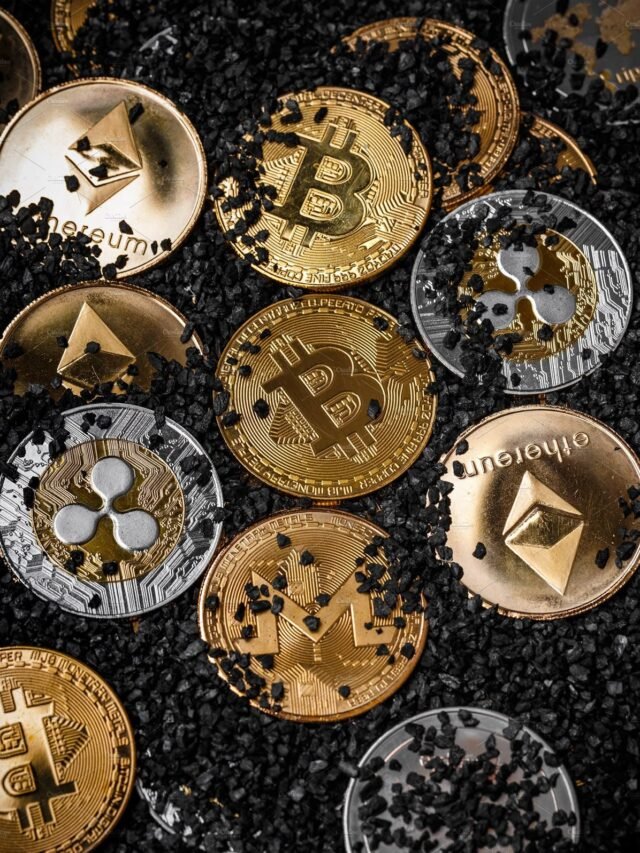
Bitcoin has once again captured global attention after reclaiming the $80,000 level, signaling renewed strength across the cryptocurrency market. The move comes amid a combination of technical momentum, institutional inflows, and shifting geopolitical dynamics that together have created a favorable backdrop for digital assets.
As of May 4, Bitcoin was trading around $80,150, marking a gain of approximately 2.6% over the previous 24 hours. The rally extended to other major cryptocurrencies, with Ether rising 3.6% to $2,382 and XRP advancing 2% to $1.41. While these gains may appear modest on the surface, they represent a meaningful continuation of upward momentum following a period of consolidation.
A Break Above Resistance Sparks Momentum
From a technical perspective, Bitcoin’s move above $80,000 is significant. For several days prior, prices had been capped by a resistance range that traders closely monitored. Once that barrier was breached, it triggered a cascade of buying activity.
Analysts point out that resistance levels often act as psychological and structural barriers. When price decisively breaks through them, it can shift market sentiment from cautious to optimistic almost instantly. This appears to have been the case here.
Nick Ruck, director at LVRG Research, noted that the breakout reinforced a near-term uptrend. In practical terms, this means traders who had been waiting for confirmation of strength re-entered the market, adding fuel to the rally.
The Role of a Short Squeeze
Another key factor behind the surge was what market participants refer to as a “short squeeze.” This occurs when traders who have bet against an asset—expecting its price to fall—are forced to buy it back as prices rise, thereby amplifying upward movement.
According to Dominick John, an analyst at Zeus Research, Bitcoin’s move above a key psychological level triggered such a squeeze. The $80,000 mark is not just a technical threshold; it carries symbolic weight. When that level was breached, short sellers rushed to cover their positions, accelerating the rally.
Short squeezes can create sharp, rapid price increases because they introduce forced buying into the market. Unlike regular demand, this buying is not discretionary—it is driven by risk management and margin requirements.
Institutional Money Continues to Flow
Beyond technical factors, institutional investment has played a crucial role in supporting Bitcoin’s price. Data from SoSoValue revealed that U.S. spot Bitcoin exchange-traded funds (ETFs) recorded net inflows of $153.87 million last week. This marks the fifth consecutive week of positive inflows.
Institutional participation is widely seen as a stabilizing force in the crypto market. Unlike retail investors, institutions tend to operate with longer time horizons and larger capital bases. Their continued interest suggests growing confidence in Bitcoin as an asset class.
The introduction and expansion of Bitcoin ETFs have made it easier for traditional investors to gain exposure without directly holding the cryptocurrency. This has broadened the investor base and increased liquidity, both of which contribute to more sustained price movements.
Geopolitical Developments Add Fuel
Interestingly, the rally has also coincided with developments in global geopolitics. In particular, optimism surrounding easing tensions between the United States and Iran has contributed to a more favorable risk environment.
Donald Trump recently announced a “Project Freedom” initiative aimed at addressing maritime disruptions in the Strait of Hormuz. The plan involves moving vessels stranded in the region, which has been a critical chokepoint for global oil shipments.
Trump also indicated that discussions with Iran were progressing positively. While such statements should always be interpreted cautiously, they have nonetheless helped calm market fears—at least temporarily.
Geopolitical stability tends to support risk assets, including cryptocurrencies. When uncertainty decreases, investors are more willing to allocate capital to assets with higher potential returns.
However, the situation remains fluid. Iran has warned that U.S. involvement could violate existing ceasefire agreements, highlighting the fragility of the current environment. Any escalation could quickly reverse the positive sentiment currently driving markets.
Macroeconomic Factors in Focus
In addition to geopolitical developments, macroeconomic indicators are playing an increasingly important role in shaping crypto market trends. Investors are closely watching U.S. initial jobless claims data, which is expected later this week.
Labor market data provides insight into the broader health of the economy. Strong employment figures may reinforce expectations of tighter monetary policy, which could weigh on risk assets. Conversely, signs of economic कमजोरी (weakness) might encourage central banks to adopt a more accommodative stance, potentially benefiting cryptocurrencies.
Bitcoin has increasingly behaved like a macro-sensitive asset, responding to interest rate expectations, inflation data, and broader economic trends. This marks a shift from its earlier days, when it was largely driven by internal crypto market dynamics.
Correlation With Traditional Markets
Another notable trend is Bitcoin’s evolving relationship with traditional financial markets. While it was once considered largely uncorrelated, recent years have shown periods of alignment with equities and other risk assets.
During times of global optimism, Bitcoin often rises alongside stocks. Conversely, during periods of risk aversion, it can decline in tandem with broader markets.
This dual identity—as both a speculative asset and a potential store of value—continues to shape its behavior. Institutional involvement has further strengthened this connection, as many large investors manage diversified portfolios that include both crypto and traditional assets.
Ethereum and Altcoins Join the Rally
While Bitcoin remains the dominant force in the crypto market, its recent gains have also lifted other digital assets. Ethereum’s 3.6% rise reflects renewed interest in the broader ecosystem, particularly in decentralized finance (DeFi) and smart contract platforms.
XRP’s 2% increase, though more modest, indicates that investor confidence is spreading beyond just the largest cryptocurrencies. This is often seen as a healthy sign for the market, suggesting a more balanced and sustainable rally.
Historically, strong Bitcoin performance tends to precede broader altcoin rallies. If the current momentum continues, smaller cryptocurrencies may see increased attention in the coming weeks.
Psychological Levels Matter
The importance of the $80,000 level cannot be overstated. In financial markets, round numbers often serve as psychological benchmarks. They influence trader behavior, media narratives, and investor sentiment.
Breaking above such levels can create a sense of inevitability, drawing in new participants who fear missing out on further gains. At the same time, these levels can also act as points of resistance during corrections.
Whether Bitcoin can sustain its position above $80,000 will depend on a combination of factors, including continued institutional inflows, macroeconomic conditions, and geopolitical developments.
Risks and Uncertainties Remain
Despite the optimistic outlook, several risks could impact the market. Geopolitical tensions, particularly in the Middle East, remain unresolved. Any escalation could trigger a shift դեպի safer assets, potentially impacting cryptocurrencies.
Regulatory developments also continue to loom large. Governments around the world are still grappling with how to approach digital assets, and new policies could influence market dynamics.
Additionally, the crypto market remains inherently volatile. Rapid price movements—both upward and downward—are a defining characteristic. Investors should be mindful of this volatility and manage their risk accordingly.
The Bigger Picture
Bitcoin’s return above $80,000 represents more than just a price milestone. It reflects the growing maturity of the cryptocurrency market and its increasing integration into the global financial system.
From institutional adoption to macroeconomic sensitivity, the factors driving Bitcoin today are far more complex than in its early years. This evolution brings both opportunities and challenges.
On one hand, broader participation and increased liquidity can support sustained growth. On the other, greater integration with traditional markets means Bitcoin is no longer insulated from global economic forces.
What Comes Next?
Looking ahead, several key factors will shape the trajectory of Bitcoin and the broader crypto market:
- Institutional flows: Continued ETF inflows could provide a steady source of demand.
- Macroeconomic data: Interest rates, inflation, and employment figures will influence investor sentiment.
- Geopolitical developments: Progress—or setbacks—in U.S.-Iran relations could impact global markets.
- Technical levels: Holding above $80,000 will be critical for maintaining momentum.
If these elements align favorably, Bitcoin could continue its upward trajectory. However, any combination of negative developments could lead to increased volatility or a pullback.
Conclusion
Bitcoin’s climb above $80,000 marks a significant moment in the ongoing evolution of the cryptocurrency market. Driven by a mix of technical breakouts, institutional investment, and improving global sentiment, the rally highlights the asset’s resilience and growing relevance.
Yet, as with any financial market, the path forward is uncertain. Investors will need to navigate a complex landscape shaped by economic data, geopolitical events, and shifting market dynamics.
For now, the momentum remains firmly on Bitcoin’s side—but whether it can sustain this strength will depend on how these various forces unfold in the days and weeks ahead.