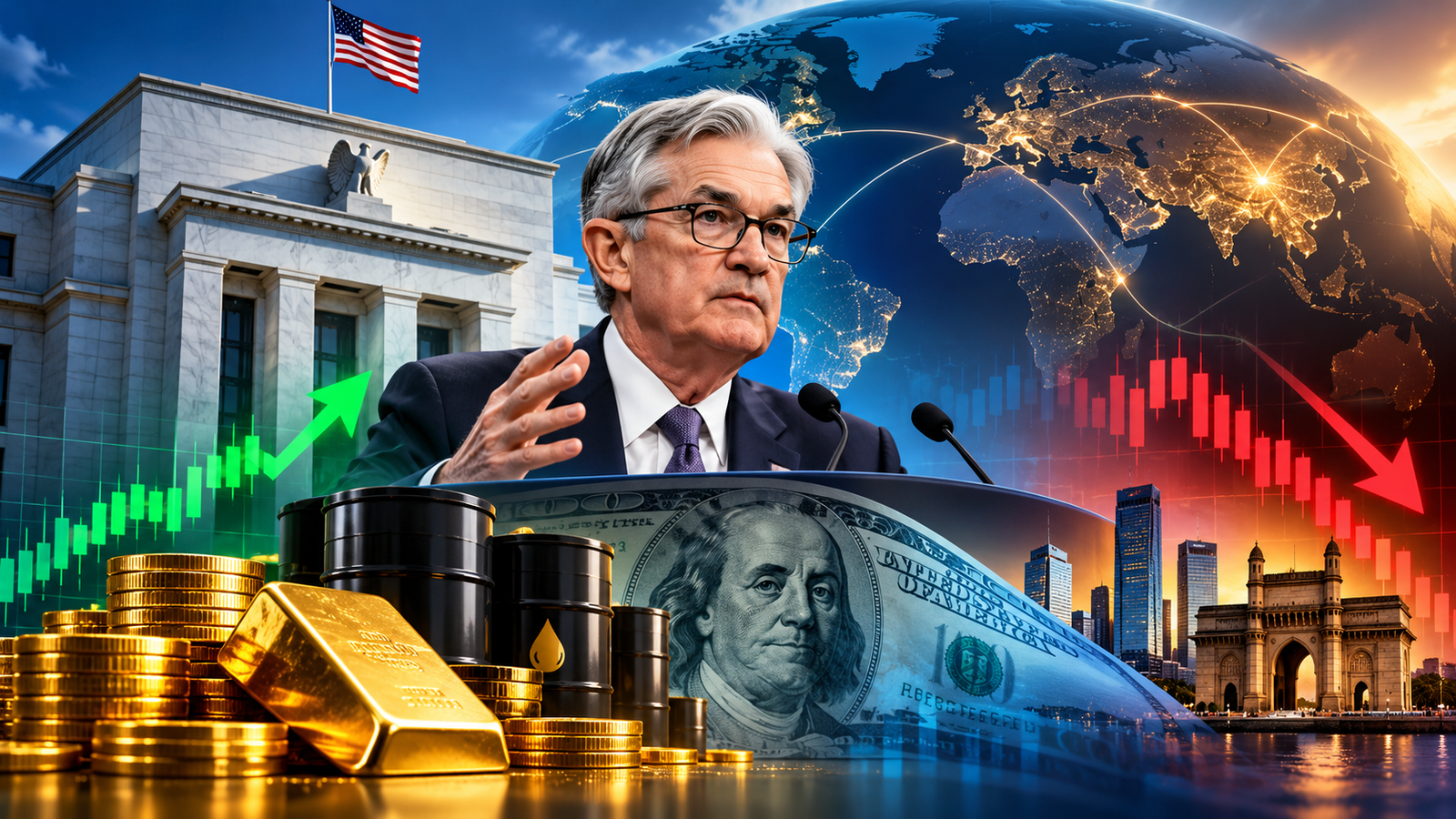
Currency markets in 2026 are evolving in ways that reflect deeper structural changes in the global economy. After years of pandemic recovery, inflation shocks, and aggressive central bank tightening, the foreign exchange (FX) landscape is entering a more complex phase. Instead of one dominant narrative, multiple forces—monetary policy divergence, geopolitical tensions, digital innovation, and shifting trade patterns—are interacting simultaneously.
For investors, businesses, and policymakers, understanding these trends is essential. Exchange rates influence everything from import costs and inflation to capital flows and economic growth. Below are the ten most important currency trends shaping 2026, explained with current data, market direction, and forward-looking insights.
1. The U.S. Dollar: Structural Softening with Safe-Haven Spikes
The U.S. dollar remains the world’s most important currency, accounting for the majority of global reserves and trade invoicing. However, in 2026, its dominance is being tested.
The Federal Reserve’s shift from aggressive rate hikes to a more neutral or easing stance is putting downward pressure on the dollar. Slowing economic growth in the United States and narrowing interest rate differentials with other economies are also contributing factors. Many analysts expect the dollar to weaken moderately over the year.
That said, the dollar continues to benefit from its safe-haven status. During periods of geopolitical uncertainty or financial stress, investors still flock to dollar-denominated assets. This creates a pattern where the dollar weakens gradually but strengthens sharply during crises.
This dual behavior makes the dollar less predictable but still central to global finance.
2. Euro Strength Supported by Policy Stability
The euro has shown resilience and gradual appreciation, supported by improving economic conditions in the Eurozone. Compared to the volatility of previous years, 2026 is characterized by relative stability in European monetary policy.
The European Central Bank has taken a cautious approach to interest rate adjustments, which has helped maintain investor confidence. Additionally, reduced energy price volatility compared to earlier years has stabilized economic expectations in the region.
The euro is trading near key psychological levels against the dollar, and while further appreciation is possible, gains may be limited by structural challenges such as uneven growth across member states.
Overall, the euro’s trajectory reflects steady, incremental strength rather than rapid appreciation.
3. Emerging Market Currencies Gaining Global Importance
Emerging market (EM) currencies are becoming increasingly influential in global FX markets. This shift reflects broader changes in economic power, as countries in Asia, Latin America, and Africa contribute a larger share of global growth.
Higher interest rates in many emerging economies have attracted capital inflows, supporting their currencies. In addition, improved fiscal discipline and structural reforms in some countries have increased investor confidence.
However, EM currencies are not moving uniformly. Commodity-exporting nations often benefit from rising global prices, while import-dependent economies remain vulnerable to external shocks.
The growing importance of EM currencies signals a gradual diversification away from traditional Western dominance in FX markets.
4. Indian Rupee Facing External Pressures
The Indian rupee continues to face pressure in 2026 due to a combination of external and domestic factors.
One of the biggest challenges is the country’s reliance on imported energy. Rising global oil prices increase India’s trade deficit, putting downward pressure on the rupee. At the same time, fluctuations in foreign investment flows—especially in bond markets—can amplify currency volatility.
Despite these challenges, India’s strong economic growth provides some support. The rupee’s movement is likely to remain within a broad range, with periods of depreciation during global stress and stabilization during favorable conditions.
The rupee’s trajectory highlights the importance of balancing growth with external vulnerabilities.
5. Monetary Policy Divergence Driving Currency Moves
Central bank policies remain one of the most powerful drivers of currency movements. In 2026, divergence in monetary policy across major economies is creating new opportunities and risks.
While the U.S. Federal Reserve is expected to ease policy gradually, other central banks are taking different approaches. Some are maintaining higher interest rates to combat inflation, while others are prioritizing growth and keeping rates stable.
This divergence creates interest rate differentials that influence capital flows. Investors often move funds դեպի higher-yielding currencies, strengthening them relative to lower-yielding counterparts.
As a result, FX markets are becoming more sensitive to central bank communication and policy expectations.
6. Geopolitical Tensions Increasing Currency Volatility
Geopolitical developments are playing an increasingly central role in currency markets. Conflicts, trade disputes, and political instability can trigger rapid shifts in investor sentiment.
In 2026, tensions in key regions—particularly those affecting energy supply—are contributing to currency volatility. Safe-haven currencies such as the U.S. dollar, Japanese yen, and Swiss franc tend to strengthen during periods of uncertainty.
Meanwhile, currencies in emerging markets often weaken as investors seek safer assets. This creates sharp, short-term movements that can override underlying economic fundamentals.
The growing influence of geopolitics means that currency markets are no longer driven solely by economic data.
7. Commodity Prices and Currency Linkages
Commodity prices continue to have a strong impact on currency movements, particularly for countries heavily dependent on exports or imports of raw materials.
Oil prices are a key driver. When oil prices rise, currencies of importing nations typically weaken due to higher import costs. Conversely, exporting countries benefit from increased revenues, which can strengthen their currencies.
Metals and agricultural commodities also play a role. Countries rich in natural resources often see their currencies move in tandem with global price trends.
This relationship underscores the interconnected nature of global markets, where changes in one sector can quickly influence another.
8. Digital Currencies and Stablecoins Expanding Influence
Digital currencies are becoming an increasingly important part of the financial ecosystem. In 2026, stablecoins—digital assets pegged to traditional currencies—are gaining widespread adoption.
These instruments offer faster and cheaper cross-border transactions compared to traditional banking systems. Businesses and financial institutions are increasingly using them for international payments and settlements.
At the same time, central banks are exploring or implementing their own digital currencies (CBDCs). These initiatives aim to modernize payment systems and enhance financial inclusion.
The rise of digital currencies has the potential to reshape the global monetary system, reducing reliance on traditional intermediaries.
9. Fragmentation of Global Currency Markets
One of the defining trends of 2026 is the fragmentation of global FX markets. Instead of a single, unified trend, different regions are experiencing distinct currency dynamics.
Regional trade agreements, local economic conditions, and political developments are playing a larger role in shaping exchange rates. This means that currencies are increasingly influenced by domestic factors rather than global ones alone.
For example, Asian currencies may move based on regional trade flows, while European currencies respond to internal policy decisions. This fragmentation makes the FX market more complex and less predictable.
Investors must now consider a broader range of factors when analyzing currency movements.
10. Inflation and Real Exchange Rate Adjustments
Inflation remains a key factor in currency valuation. Differences in inflation rates between countries affect their real exchange rates, influencing competitiveness and trade balances.
Countries with lower inflation tend to see their currencies appreciate in real terms, as their goods and services become relatively cheaper. Conversely, high inflation can lead to currency depreciation.
In 2026, inflation is moderating globally but remains uneven across regions. This creates opportunities and challenges for currency markets.
Understanding inflation dynamics is essential for predicting long-term currency trends, as it directly impacts purchasing power and economic stability.
Conclusion
The currency landscape in 2026 reflects a world in transition. The dominance of traditional currencies like the U.S. dollar is being challenged by emerging market growth, digital innovation, and shifting geopolitical realities.
At the same time, new risks and uncertainties are emerging. Geopolitical tensions, commodity price fluctuations, and policy divergence are adding layers of complexity to FX markets.
For market participants, adaptability is key. Success in this environment requires not only an understanding of traditional economic indicators but also an awareness of broader global trends.
As the year unfolds, these ten trends will continue to shape currency movements, offering both opportunities and challenges in an increasingly interconnected world.