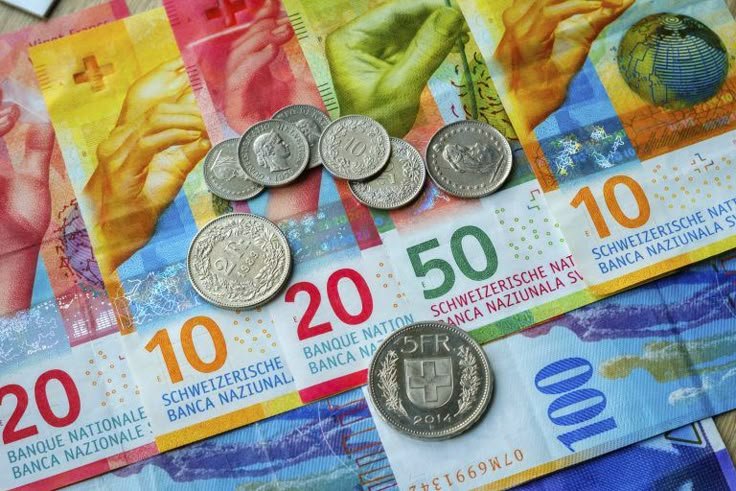
Forex trading has evolved into one of the most dynamic and fast-paced financial markets in the world. With daily trading volumes surpassing $7.5 trillion, it offers immense opportunities—but also significant risks. In 2026, trading is influenced not only by traditional economic indicators but also by algorithmic systems, artificial intelligence, and global geopolitical shifts.
While many traders rely on online videos or social media tips, seasoned professionals consistently emphasize one timeless truth: serious traders read books. Books provide structured knowledge, tested strategies, and deep insights that short-form content often fails to deliver.
This guide explores the top 10 forex trading books you must read, covering everything from beginner fundamentals to advanced strategies and trading psychology. Whether you’re just starting out or refining your edge, these books can help shape your journey.
Why Forex Books Still Matter in 2026
Despite technological advancements, the core principles of trading remain unchanged: discipline, strategy, and risk control. Books continue to be one of the most reliable sources of learning because they:
- Offer comprehensive and structured knowledge
- Provide proven frameworks used by professional traders
- Help build long-term understanding instead of quick hacks
- Dive deep into trading psychology and decision-making
In a market where emotional mistakes and poor risk management wipe out accounts, reading quality material can significantly improve your odds of success.
Top 10 Forex Trading Books
1. Currency Trading for Dummies – Kathleen Brooks & Brian Dolan
This book is widely regarded as one of the best entry points into forex trading. It simplifies complex topics into easy-to-understand concepts, making it perfect for beginners.
The authors explain how the forex market works, what drives currency movements, and how traders can participate effectively. It also includes updated insights relevant to modern markets, such as inflation trends, interest rate policies, and global economic shifts.
Readers will learn about currency pairs, leverage, brokers, and risk management. It’s not just theoretical—it provides practical guidance for getting started without overwhelming the reader.
2. Day Trading and Swing Trading the Currency Market – Kathy Lien
This book bridges the gap between beginner and intermediate trading. Kathy Lien, a well-known currency strategist, offers insights based on real institutional trading experience.
The book focuses on short-term and medium-term trading strategies, including day trading and swing trading. It explains how economic indicators like GDP, employment data, and central bank decisions impact currency movements.
One of its strongest aspects is the practical application of strategies, making it suitable for traders who want to move beyond theory and start implementing real trades.
3. Trading in the Zone – Mark Douglas
Many traders fail not because of poor strategies, but because of poor mindset. This book focuses entirely on the psychological side of trading.
Mark Douglas explains how emotions like fear, greed, and overconfidence affect decision-making. He introduces the concept of thinking in probabilities, which is essential for consistent trading.
The book teaches traders how to develop discipline, stick to a plan, and avoid impulsive decisions. It is often considered a must-read for anyone serious about trading success.
4. How to Make a Living Trading Foreign Exchange – Courtney Smith
This book focuses on turning trading into a sustainable income source. It presents multiple strategies that traders can use depending on their style and risk tolerance.
Courtney Smith outlines six trading strategies and explains how to apply them effectively. He also emphasizes risk management, which is crucial for long-term survival in the market.
The book is particularly valuable for traders who want to transition from casual trading to a more professional approach.
5. The Art of Currency Trading – Brent Donnelly
Written by an experienced bank trader, this book provides a professional perspective on forex markets. It goes beyond retail trading strategies and explores how institutions operate.
The book covers macroeconomic analysis, market behavior, and risk management. It also discusses how global events influence currency markets.
This is an excellent choice for traders who want to understand the bigger picture and think like institutional players.
6. Japanese Candlestick Charting Techniques – Steve Nison
This book introduced candlestick charting to Western traders and remains one of the most important resources for technical analysis.
It explains various candlestick patterns and how they can be used to predict market movements. Traders learn how to identify entry and exit points using price action.
Understanding candlestick patterns is essential for anyone involved in forex trading, making this book a timeless classic.
7. Forex Trading: The Basics Explained in Simple Terms – Jim Brown
This book lives up to its title by explaining forex trading in a simple and straightforward manner. It is ideal for beginners who want clarity without technical jargon.
Jim Brown focuses on practical strategies and real-world trading scenarios. The book also discusses trading psychology and risk management, ensuring a well-rounded understanding.
It’s a great stepping stone before moving on to more advanced material.
8. The Black Book of Forex Trading – Paul Langer
This book combines strategy with mindset development. It focuses on building a structured approach to trading rather than relying on random decisions.
Paul Langer emphasizes consistency, discipline, and patience. He also introduces trading systems that can help traders identify opportunities and manage risk.
It is particularly useful for traders who struggle with consistency and want a clear framework to follow.
9. Market Wizards – Jack D. Schwager
This book is a collection of interviews with some of the most successful traders in the world. Instead of focusing on one strategy, it showcases multiple approaches.
Readers gain insights into how top traders think, manage risk, and handle losses. The diversity of perspectives makes it an inspiring and educational read.
It reinforces the idea that there is no single “correct” way to trade—success comes from finding what works for you.
10. Technical Analysis of the Financial Markets – John J. Murphy
Often referred to as the “bible” of technical analysis, this book provides a comprehensive overview of charting techniques and indicators.
It covers trend analysis, support and resistance, and various technical tools used by traders worldwide. The depth of information makes it suitable for intermediate and advanced traders.
This book is essential for anyone who wants to master technical analysis in forex trading.
Key Lessons from These Books
1. Risk Management is Everything
One of the most consistent themes across these books is the importance of protecting your capital. Successful traders focus on minimizing losses rather than maximizing gains.
2. Psychology Drives Performance
Emotions can make or break a trader. Developing discipline, patience, and consistency is crucial for long-term success.
3. Strategy Matters, But Execution Matters More
Having a good strategy is important, but sticking to it consistently is what separates successful traders from unsuccessful ones.
4. Markets Are Constantly Evolving
With the rise of AI and algorithmic trading, markets are becoming more complex. Traders must continuously learn and adapt.
How to Choose the Right Forex Book
Not all books are suitable for every trader. When choosing a book, consider:
- Your experience level (beginner, intermediate, advanced)
- Your preferred trading style (day trading, swing trading, long-term)
- Whether you want to focus on technical analysis, fundamentals, or psychology
A balanced approach is recommended—read books from different categories to develop a well-rounded skill set.
Final Thoughts
Forex trading is not a get-rich-quick scheme. It requires dedication, patience, and continuous learning. The books listed in this guide provide a strong foundation and valuable insights that can help traders navigate the complexities of the market.
In 2026, the most successful traders are those who invest in knowledge, develop disciplined habits, and adapt to changing market conditions. Reading these books is not just about gaining information—it’s about building the mindset and skills needed for long-term success.
If you approach trading with the right education and mindset, you significantly increase your chances of achieving consistent results in the forex market.
ALSO READ: Adani Ent Share Fall: Risks, Outlook 2026