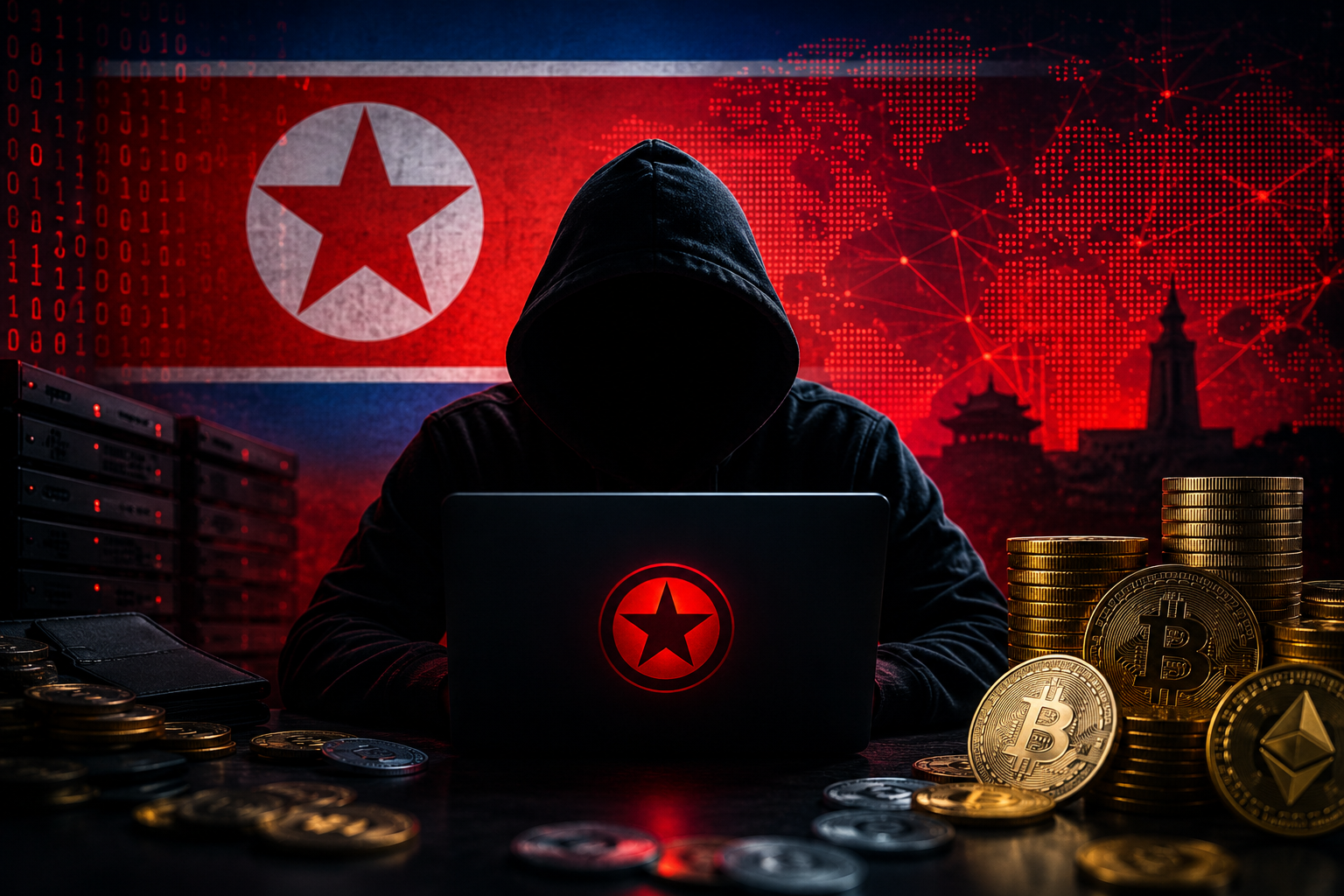
North Korea has become one of the most feared countries in the world when people talk about cyber crime. For many years, security experts, governments, and blockchain investigators have connected the country to some of the biggest digital thefts in history. These attacks have stolen billions of dollars and shocked companies across the world. What makes this situation unusual is the fact that these hackers do not work like normal criminals. Many reports show that their operations directly support the North Korean government.
Over the last decade, North Korea built a secret cyber network that now targets crypto exchanges, banks, software developers, technology companies, and even ordinary people. Experts believe this cyber network now acts like a financial machine that helps the country earn money despite heavy international sanctions. To understand the real danger, it is important to know who these hackers are, how they steal money, what major attacks they carried out, and why they continue these operations.
The Main Group Behind These Attacks
The most famous hacking group connected to North Korea is called Lazarus Group. Cyber security researchers and intelligence agencies believe this group works under North Korea’s intelligence department, known as the Reconnaissance General Bureau.
Unlike normal cyber criminals who steal money for personal benefit, Lazarus Group works with a larger purpose. Reports suggest the group steals money that later helps the North Korean government. This makes their operations very different from ordinary online fraud.
Over the years, Lazarus Group became one of the most advanced cyber organizations in the world. Their attacks show careful planning, deep technical knowledge, and long preparation periods before execution.
Why North Korea Depends on Cyber Theft
North Korea faces severe international sanctions because of its nuclear weapons program and political isolation. These sanctions block the country from normal trade with many nations. Because of this, access to foreign money such as US dollars and euros has become extremely difficult.
To solve this problem, cyber theft became an alternative source of income. Instead of traditional trade, North Korea now steals money through digital systems. Crypto assets became a favorite target because crypto transfers move quickly across borders and are harder for governments to stop.
Blockchain research firms estimate that North Korean hackers have stolen more than six billion dollars in crypto assets since 2017. Experts believe a large portion of this money later supports state operations and military projects.
The Biggest Crypto Theft in History
One of the most shocking attacks happened in 2025 against crypto exchange Bybit. Investigators connected this attack to North Korean hackers. Around 1.46 billion dollars disappeared during this operation, which made it one of the largest crypto thefts ever recorded.
Reports show the hackers did not directly break into the system like in movies. Instead, they quietly entered the wallet approval process. They manipulated internal transaction systems and tricked employees into approving fake transfers.
Once approval happened, the money left the wallets almost instantly. Large amounts of Ethereum moved through several hidden wallet addresses before investigators could react.
This attack showed how modern cyber criminals often rely more on deception than brute force.
The Ronin Network Attack
In 2022, another massive theft hit Ronin Network, a blockchain platform connected to the popular game Axie Infinity. Around 625 million dollars vanished during the attack.
Security experts later discovered the hackers first targeted company employees. They sent fake job offers and professional messages that looked legitimate. After gaining employee trust, malicious software entered internal systems.
This malware allowed the attackers to gain access to important validator nodes that controlled blockchain transactions. Once they controlled enough validators, they approved illegal transfers and emptied the funds.
The attack shocked the crypto industry because it exposed weaknesses inside systems that many believed were secure.
The WazirX Attack That Hit India
India also faced direct damage when crypto exchange WazirX suffered a major security breach in 2024. Reports connected the theft to North Korean cyber groups.
Hackers stole around 235 million dollars through wallet manipulation. Investigators found that attackers changed important transaction permissions inside the exchange infrastructure.
This allowed unauthorized transfers without normal approval systems stopping the movement.
The attack created fear among Indian crypto users because one of the country’s largest exchanges suddenly became vulnerable to international cyber criminals.
How Fake Job Offers Become a Trap
One of the smartest methods used by North Korean hackers involves fake recruitment offers. This method has become extremely common in recent years.
Hackers pretend to be recruiters from famous technology companies. They contact software developers through LinkedIn, Telegram, Discord, or email. The message often promises very high salaries and attractive remote work positions.
After a conversation begins, the victim receives a coding assignment. The assignment usually contains software files or a GitHub project.
When the developer opens the project, hidden malware secretly enters the computer. This malware allows hackers to steal passwords, monitor activity, or access crypto wallets.
Security researchers named one major campaign Operation DreamJob because fake employment became the main trap.
Hidden Malware Inside Code Repositories
Another dangerous strategy involves malicious code repositories.
Hackers create fake projects on websites like GitHub and GitLab. These projects often look normal and useful. Developers searching for code tools sometimes download these files without suspicion.
Inside the project, hidden malware waits quietly. Once activated, the malware collects sensitive data from the victim’s computer.
The stolen information can include passwords, wallet private keys, browser sessions, saved login credentials, and company access systems.
Because many developers trust open-source code, this attack method often succeeds.
Spear Phishing Attacks
North Korean hackers also use highly targeted phishing attacks.
Unlike normal spam emails sent to thousands of random people, spear phishing targets specific individuals. These attacks focus on employees who work inside valuable organizations.
The email usually looks professional. It may pretend to come from a company executive, financial partner, recruiter, or software vendor.
The victim receives a fake invoice, software update, security alert, or urgent request.
Once the person clicks the link, malware enters the device or login credentials move directly to attackers.
This method remains popular because even advanced security systems cannot always stop human mistakes.
Supply Chain Attacks
Sometimes hackers avoid direct attacks against major companies.
Instead, they attack smaller companies connected to larger targets. This strategy is known as a supply chain attack.
For example, a crypto exchange may use wallet software created by another company. Hackers first compromise the wallet provider.
After this breach, malware enters the exchange through trusted software updates.
This method allows attackers to reach high-value targets indirectly.
Security experts believe some recent North Korean attacks used this strategy successfully.
How Stolen Money Disappears
After the theft, the next challenge is hiding the stolen funds.
North Korean hackers use a complex laundering process. First, stolen crypto moves into hundreds or even thousands of separate wallets. This makes tracking difficult.
After this, funds move across different blockchain networks. Ethereum may convert into Bitcoin or other crypto assets.
Hackers then use crypto mixing services that combine stolen money with normal transactions. This hides the original source.
Next, decentralized cross-chain bridges help move funds between different networks.
Finally, the money reaches brokers who convert crypto into traditional currency through hidden international networks.
By the time investigators trace the movement, large portions of the money often disappear permanently.
Why Crypto Became Their Favorite Target
Traditional banks have strict security systems. Large transfers pass through global monitoring networks such as SWIFT. Governments can freeze suspicious bank transactions quickly.
Crypto offers a completely different environment.
Transfers happen almost instantly. Wallet owners can remain anonymous. Transactions move across borders without bank approval.
Once funds leave the wallet, recovery becomes extremely difficult.
For cyber criminals, crypto creates the perfect environment for large scale theft.
This explains why North Korean hackers now focus heavily on digital assets rather than traditional banking systems.
Their Other Major Cyber Attacks
North Korea’s cyber history goes far beyond crypto theft.
In 2014, hackers attacked Sony Pictures after the release of a movie that mocked North Korean leader Kim Jong Un. The attack leaked company data and caused major disruption.
In 2016, hackers targeted Bangladesh Bank through the SWIFT banking network. They successfully stole 81 million dollars during this operation.
In 2017, the world saw the WannaCry ransomware attack. This malware infected hundreds of thousands of computers across hospitals, businesses, and government systems.
Investigators later connected the attack to Lazarus Group.
These attacks proved North Korea had already developed strong cyber capabilities long before crypto became their main target.
Their Skills Continue to Improve
Cyber security reports show North Korean hackers continue to improve every year.
In early 2026, blockchain intelligence firms reported that North Korean linked attacks accounted for around 76 percent of global crypto theft value during the first months of the year.
This statistic shocked experts.
The number of attacks became smaller, but each operation became larger and more precise.
This pattern shows a major shift in strategy.
Instead of frequent small attacks, hackers now focus on fewer operations with massive financial rewards.
Their patience, planning, and technical skill continue to rise.
Why Ordinary People Should Care
Many people believe only billion dollar crypto exchanges face these attacks.
This is no longer true.
North Korean hackers now target freelancers, remote workers, software developers, startup employees, and ordinary crypto investors.
A simple fake email or suspicious file can expose private data.
A fake job offer can install malware.
An unknown browser extension can steal wallet keys.
Even experienced professionals sometimes fail to detect these traps because modern attacks look extremely convincing.
The average internet user now faces greater risk than before.
The Bigger Reality Behind It All
North Korean cyber attacks are not random criminal activity.
Experts believe these operations now work as part of a national financial strategy.
The country cannot easily earn foreign money through traditional trade because sanctions block access to the global economy.
As a result, digital theft became an alternative source of income.
Hackers deceive employees, infiltrate systems, steal crypto, hide the money through complex laundering systems, and help support the state economy.
This creates a dangerous new reality where cyber warfare no longer focuses only on data theft or sabotage.
It now functions as a large scale financial weapon.
North Korea has shown the world that a country with limited economic access can still build one of the most powerful cyber crime systems in modern history.
The biggest fear now is simple.
They continue to improve, and future attacks may become even larger than anything the world has seen before.
Also Read – Hidden Red Flags in IPO Prospectuses


