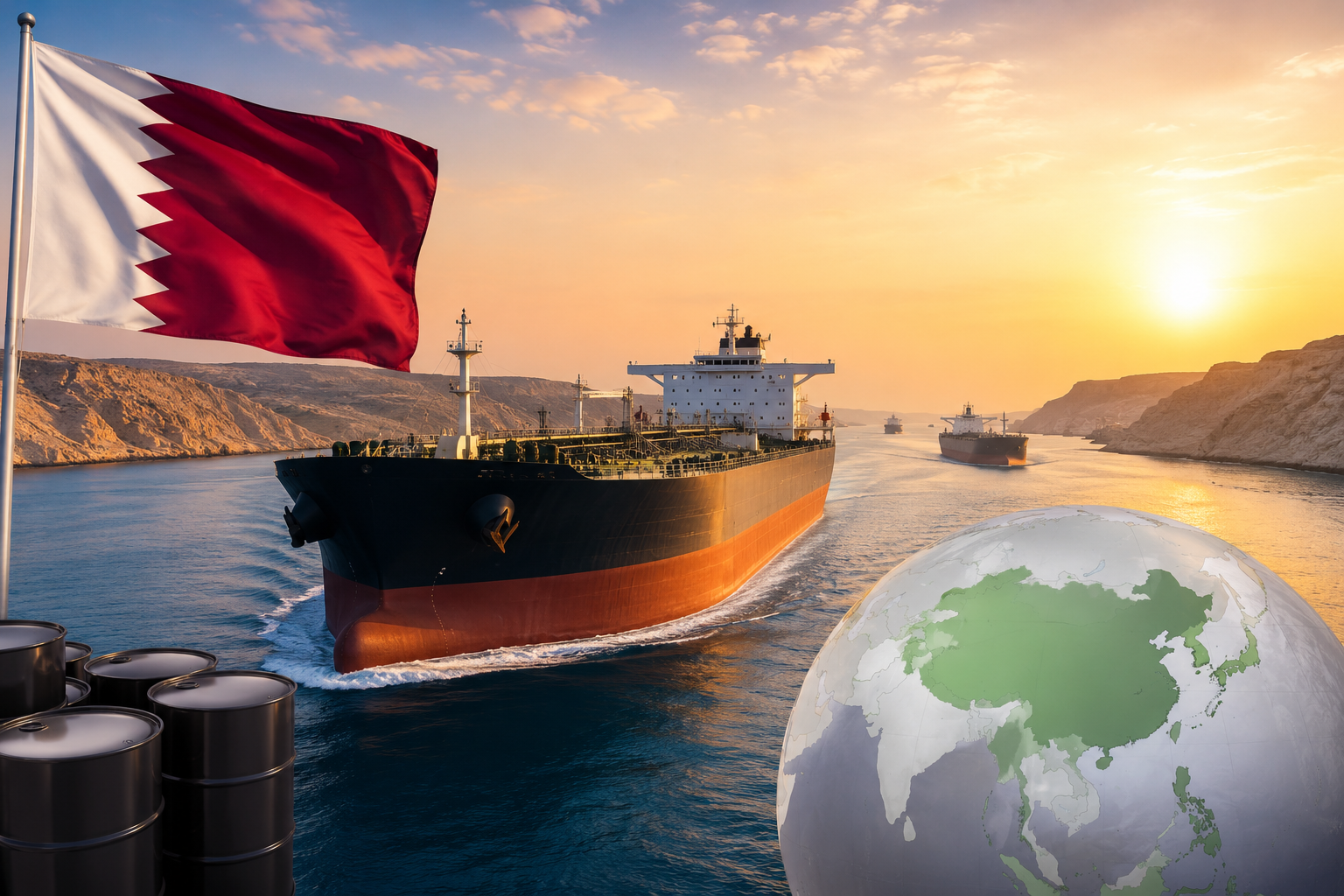
Qatar has started sending crude oil to Asian countries once again after trade routes in the Strait of Hormuz returned to normal. This move comes after weeks of tension in the Middle East that affected oil shipments and created fear in global energy markets.
The return of Qatari crude exports shows that the situation in the Gulf region has improved for now. It also gives relief to many countries that depend on oil imports, especially in Asia. Energy markets across the world now see this as a positive sign after a difficult period of uncertainty.
Qatar Restarts Crude Exports
Qatar recently offered fresh tenders for crude oil shipments for July and August. This marks one of the first major export moves after recent conflict in the Gulf region slowed trade activity.
During the crisis, many oil companies became careful because shipping routes looked unsafe. Tankers avoided risky areas, and companies delayed exports. Qatar’s decision to restart shipments now shows that confidence has started to return.
Qatar is one of the world’s major energy exporters. Any change in its supply plans often affects international markets. The restart of exports means buyers now feel more comfortable with the current situation.
Strait of Hormuz Returns to Business
The Strait of Hormuz plays one of the most important roles in global energy trade. It sits between the Persian Gulf and the Arabian Sea. A large share of the world’s oil passes through this narrow route every day.
Around 20 to 25 percent of global oil trade by sea depends on this waterway. When conflict rose in the region, tanker movement dropped sharply. Several ships stayed stuck near the area because companies feared possible attacks or military action.
Insurance costs for ships also rose quickly during that period. This made transport even more expensive for energy companies.
Now the route has started to operate again. More oil tankers have returned to regular movement. Traffic still remains lower than normal, but the worst part of the disruption appears to have passed.
Asian Countries Get Major Relief
Asian countries depend heavily on oil and gas imports from Gulf nations. Qatar sends a large part of its crude oil and liquefied natural gas to Asia every year.
Countries such as India, China, Japan, and South Korea buy huge amounts of energy from Qatar. When supply routes faced trouble earlier, these nations worried about possible shortages and rising fuel costs.
The restart of exports now gives these countries major relief. Energy buyers can expect better supply flow in the coming weeks.
For countries like India, this matters a lot because higher oil prices usually affect transport costs, fuel prices, and inflation. A stable supply helps governments manage economic pressure more easily.
Oil Prices Start to Fall
Oil prices had jumped sharply when conflict in the Gulf created fears about supply disruption. Traders worried that a longer blockade in the Strait of Hormuz could stop millions of barrels from reaching global markets.
As Qatar resumed exports and tanker movement improved, market fear started to reduce.
Brent crude prices have now moved closer to normal levels at around 75 dollars per barrel. West Texas Intermediate crude also dropped after earlier price spikes caused by war concerns.
This price fall shows that traders believe supply risks have reduced, at least for now.
Lower oil prices usually help businesses and consumers because transport and production costs stay under control. This also helps central banks fight inflation more effectively.
Why the World Watches Hormuz Closely
The Strait of Hormuz remains one of the most sensitive trade routes in the world. Even small conflict in this region can quickly affect oil markets across many countries.
If this route stays blocked for a long period, global oil supply can face serious damage. Experts had warned that oil prices could rise above 100 dollars per barrel if the disruption continued.
Such a price jump would create major economic problems worldwide. Countries that import large amounts of oil would face higher expenses. Transport costs would rise, factory production would become more expensive, and consumer prices would increase.
This could push inflation higher across many economies at a time when several countries already struggle with economic pressure.
Because of this, markets watch every development around Hormuz very carefully.
The Situation Still Needs Attention
Although the recent improvement looks positive, experts believe the situation remains fragile. Shipping activity has resumed, but not every company feels fully confident yet.
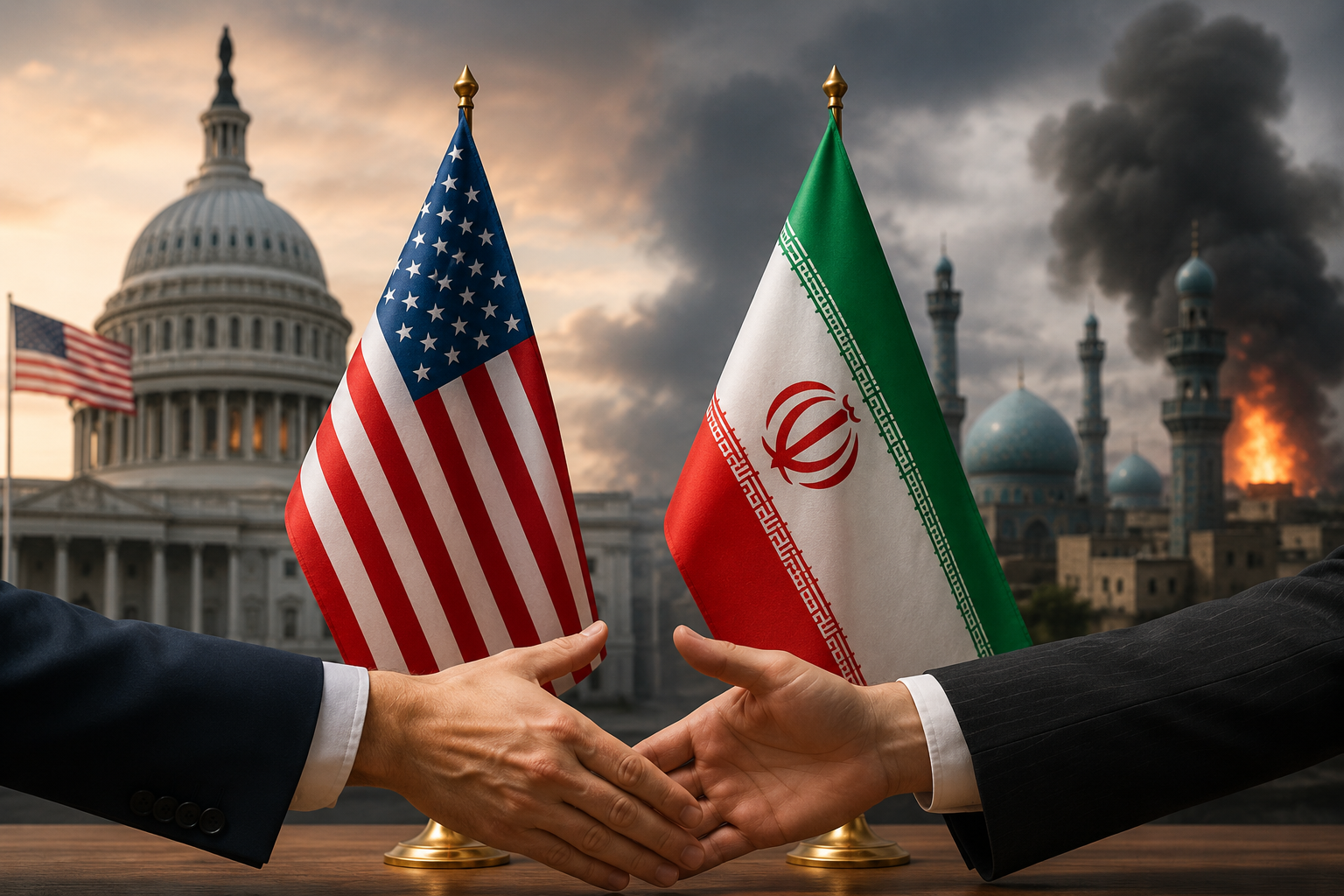
Any new conflict involving Iran or the United States could create fresh disruption. If tensions rise again, tanker movement may slow once more and oil prices could jump quickly.
For now, energy companies have returned to business with caution. Markets remain hopeful, but everyone understands that peace in the region remains extremely important.
The coming weeks will show whether stability can continue.
Global Energy Markets Get Temporary Relief
Qatar’s return to Asian oil markets sends an important message to the world. It shows that Gulf energy trade has started to recover after a period of serious disruption.
The reopening of the Strait of Hormuz has reduced immediate fears about supply shortages. Oil prices have cooled, Asian buyers feel safer, and global markets now have some breathing space.
However, this relief may only be temporary if geopolitical tensions return.
At present, the global energy system has avoided a major shock. Qatar’s restart of crude exports proves that trade routes in one of the world’s most critical regions have moved back toward normal conditions.
For governments, businesses, and consumers around the world, this remains very welcome news.
ALSO READ: How Iran Secretly Moved $3.84 Billion Through Crypto