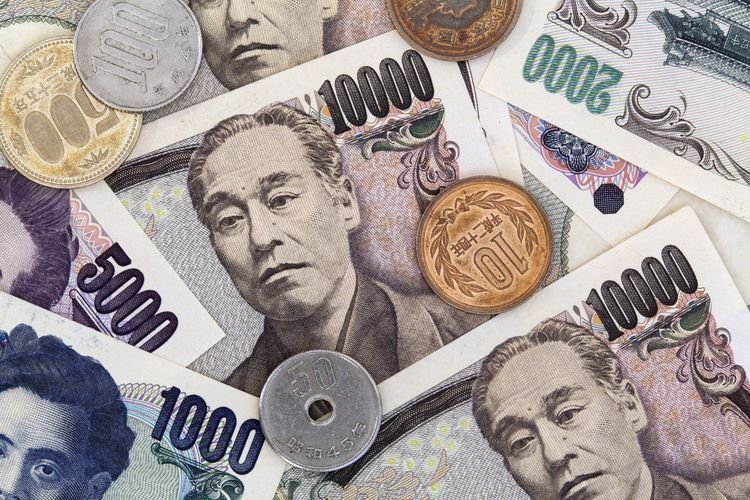
The Japanese yen stayed in the spotlight after a rare move by Japan and the United States in the foreign exchange market. The currency lost a small part of its recent gains on August 4, 2026, but it still remained much stronger than it was before the intervention. Market experts believe this event could shape currency trading for many weeks. Investors across the world now watch every new update from Japan and the United States to understand what may happen next.
The foreign exchange market, also called the Forex market, reacts very quickly to government action. When major countries step into the market, the effect often reaches every corner of the global financial system. That is exactly what happened after the recent support for the Japanese yen.
What Happened in the Currency Market
Last week, Japan and the United States carried out a rare coordinated foreign exchange intervention. This means both countries worked together to support the Japanese yen. Such joint action does not happen often, which made the event very important for traders and investors.
Before this move, the yen had faced heavy pressure. It had become weaker against the US dollar for a long period. Many people worried that the fast decline could hurt Japan’s economy. To slow that fall, both governments entered the currency market.
Their action helped push the yen higher. On August 4, the currency gave back a small part of those gains. Even after this slight fall, the yen remained around 4% stronger than it was before the intervention. This shows that the support had a strong effect on the market.
Why the Yen Became Weak
Several factors had pushed the Japanese yen lower over many months. One major reason was the difference between interest rates in Japan and the United States.
The US Federal Reserve kept interest rates much higher than the Bank of Japan. Higher interest rates often attract global investors because they can earn better returns. As money moved into the United States, demand for the US dollar increased. At the same time, demand for the yen became weaker.
This trend caused the dollar to rise against the Japanese currency. Many traders also placed bets that the yen would continue to lose value. Those positions added more pressure on Japan’s currency.
Why Japan Chose to Act
Japan depends heavily on imports for fuel, food, and many raw materials. A weak yen makes imported goods more expensive because Japanese companies need more yen to buy products priced in US dollars.
Higher import costs can raise prices for families and businesses. This creates extra pressure on household budgets and company profits. Japanese officials wanted to stop the rapid fall before it caused more damage.
The joint intervention sent a clear message to financial markets. It showed that Japan was ready to defend its currency with support from the United States if needed.
Why the United States Joined
The participation of the United States made the intervention much more powerful. When two major economies act together, markets pay close attention. Traders understand that such cooperation carries greater influence than action by one country alone.
Joint intervention also shows strong communication between both governments. It tells investors that both sides agree on the need to reduce extreme movements in currency markets.
Although coordinated action remains uncommon, it can restore confidence during periods of high uncertainty.
The Market Reaction
After the intervention, the yen gained value very quickly. Investors who had expected further weakness rushed to close their positions. That change created even more demand for the Japanese currency.
On August 4, the yen slipped slightly as traders took profits from the recent rally. This small decline did not erase the earlier gains. The currency still held a much stronger position than before the intervention.
Financial markets often move through short periods of correction after large price changes. Many analysts believe this latest pullback fits that pattern.
Traders Watch Bond Yields
Investors now pay close attention to Japanese government bond yields. Bond yields often provide clues about future monetary policy and economic conditions.
If yields rise, markets may expect changes from the Bank of Japan. Such expectations can influence demand for the yen.
Bond markets and currency markets often move together. For this reason, traders study every new development before they make fresh decisions.
Policy Signals Remain Important
Government officials and central bank leaders may offer new comments in the coming days. Every speech, interview, or policy statement has the power to move the currency market.
Investors hope to learn whether Japan stands ready to support the yen again if needed. They also want clues about future interest rate decisions.
Even small changes in official language can affect market expectations. As a result, traders follow these announcements very closely.
What This Means for Global Investors
The Japanese yen ranks among the world’s most traded currencies. Changes in its value often affect investors far beyond Japan.
Many global investment funds hold Japanese assets. International companies also buy and sell goods in Japanese yen every day. A stronger or weaker currency can change business costs, profits, and investment returns.
Because of this, the recent intervention has become an important topic across financial markets around the world.
What Could Happen Next
No one knows exactly how the yen will move during the next few weeks. Much will depend on economic data, interest rate decisions, bond yields, and future comments from policymakers.
If market pressure returns, Japan could decide to enter the foreign exchange market once again. Investors will also watch whether the United States continues to support Japan through coordinated action if conditions become unstable.
Many experts believe the yen may remain volatile as traders react to every new piece of information. Large price moves could continue until markets receive clearer guidance from central banks.
Conclusion
The rare coordinated intervention by Japan and the United States marked one of the biggest events in the foreign exchange market this year. Although the Japanese yen slipped slightly on August 4, it still remained about 4% stronger than before the intervention. The move proved that coordinated government action can influence currency markets in a significant way.
Attention now shifts to Japanese bond yields, central bank decisions, and official policy signals. These factors will help determine whether the yen keeps its strength or faces fresh pressure. Until then, investors and traders around the world will continue to watch every development closely as they look for signs about the next direction of the Japanese currency.
Also Read – Spotify Careers: Resume, Interview and Hiring Guide 2026