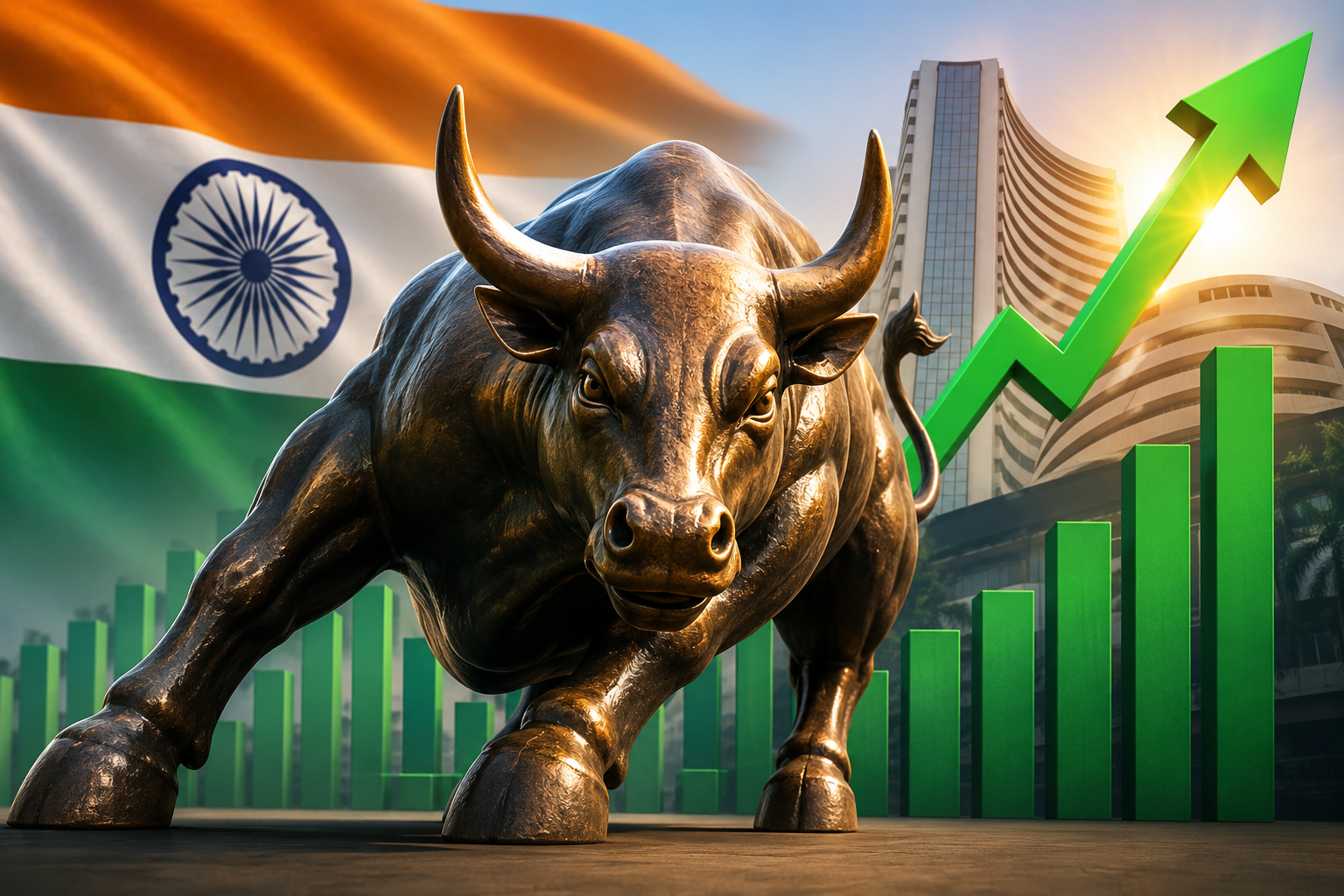
The Indian rupee reached its strongest level in one month on August 5, 2026. The local currency traded near ₹94.92 against the US dollar, which marked a positive day for the Indian foreign exchange market. The rise came after crude oil prices moved lower and the US dollar lost strength against many major global currencies. Market experts also kept a close watch on the Reserve Bank of India (RBI), as its latest policy decision had the power to shape the next move in the currency market.
The rupee has faced pressure for several months because of global uncertainty, strong demand for the US dollar, and changes in oil prices. This latest rise gave traders and investors fresh confidence. Even though one day’s move does not decide the long-term trend, it showed that several important global and domestic factors worked in India’s favour.
Rupee Trades Near ₹94.92 Per Dollar
During the trading session, the Indian rupee climbed close to ₹94.92 against the US dollar, its best level in almost a month. A stronger rupee means fewer rupees are needed to buy one US dollar. This usually reflects better demand for the local currency or weaker demand for the dollar.
Currency values change every day because of trade, investment flows, central bank actions, and global market conditions. On this occasion, the combination of a weaker US dollar and lower crude oil prices helped the Indian currency gain value.
The move also showed that traders believed the near-term outlook for the rupee had improved compared with previous weeks.
Lower Crude Oil Prices Support the Indian Currency
One of the biggest reasons behind the rupee’s rise was the fall in crude oil prices. India imports a large share of its crude oil from other countries. Since these purchases take place mostly in US dollars, oil prices have a direct effect on the Indian currency.
When oil prices fall, India spends fewer dollars to meet its energy needs. This reduces demand for the US currency in the local market. As a result, the rupee often receives support.
Lower oil prices also help reduce import costs. This may improve India’s trade balance over time and provide another positive factor for the local currency.
Because of this close link, traders always watch oil prices before they make major decisions in the foreign exchange market.
Weak US Dollar Helps Emerging Market Currencies
Another major reason behind the rupee’s rise was the weaker US dollar. The dollar lost value against several global currencies during the day. When the dollar becomes weaker, many emerging market currencies receive support, and the Indian rupee often joins that trend.
A softer dollar usually reduces pressure on countries that depend on dollar-based trade and investment. Investors may also become more willing to move money into developing markets when the US currency loses strength.
This change helped improve market sentiment and gave the rupee another reason to move higher.
RBI Policy Decision Draws Market Attention
Apart from global developments, traders paid close attention to the Reserve Bank of India’s policy decision. Every RBI meeting attracts strong interest because interest rates and policy guidance can affect the value of the rupee.
Even if the central bank does not change interest rates, its comments about inflation, economic growth, liquidity, and future policy plans can influence currency markets.
Investors looked for signals about the RBI’s view on the economy. Any hint about future action could shape expectations and affect demand for the rupee over the coming weeks.
Because of this, many traders avoided large positions before the policy announcement.
Foreign Exchange Intervention Remains an Important Factor
The market also watched the possibility of RBI intervention in the foreign exchange market. The central bank has a long history of taking action whenever sharp currency moves create excessive volatility.
Foreign exchange intervention usually involves the RBI buying or selling US dollars to keep the rupee from moving too quickly in either direction. Such action helps maintain stability and reduces sudden market swings.
Even though intervention does not change the long-term value of a currency, it often helps calm the market during periods of uncertainty.
Traders remained alert because any sign of RBI action could influence short-term price movement.
Global Events Continue to Shape Currency Markets
The foreign exchange market depends on events from around the world. Economic reports, central bank decisions, political developments, and changes in commodity prices all affect currency values.
On this day, lower oil prices and broad weakness in the US dollar created a positive environment for the Indian rupee. These global developments carried as much importance as domestic news.
Investors also kept an eye on future economic data from major countries because fresh information could change market expectations at any time.
This shows that currency markets react not only to local events but also to developments across the global economy.
What a Stronger Rupee Means
A stronger rupee can bring several benefits. Companies that import goods from other countries may pay less for products priced in US dollars. Lower import costs may also help control inflation if the trend continues.
People who travel abroad or pay for education in foreign countries may also benefit because they need fewer rupees to buy dollars.
However, exporters sometimes face challenges when the rupee becomes stronger. Indian goods may become more expensive for foreign buyers, which can reduce export earnings if the currency continues to rise for a long period.
Because of this, policymakers often aim for stability instead of sharp gains or losses in the exchange rate.
Market Outlook Remains Cautious
Although the rupee reached a one-month high, experts believe future movement will depend on several important factors. Oil prices, the strength of the US dollar, foreign investment flows, and RBI actions will continue to influence the currency.
Market participants also expect fresh economic data from India and other major economies. Any surprise in inflation, employment, or growth numbers could quickly change investor sentiment.
For now, the rupee has received support from favourable global conditions, but traders remain careful because currency markets can change direction within a short period.
Conclusion
The Indian rupee climbed to around ₹94.92 per US dollar on August 5, 2026, its strongest level in one month. The rise came mainly because crude oil prices moved lower and the US dollar weakened across global markets. At the same time, investors closely watched the Reserve Bank of India’s policy decision and any possible foreign exchange intervention.
The latest move highlights how domestic policy, global economic conditions, and commodity prices work together to shape the value of the rupee. While the stronger currency has improved market confidence, its future direction will depend on oil prices, dollar strength, RBI actions, and upcoming economic developments. For now, the rupee has shown resilience and has entered a stronger position after several weeks of pressure.
Also Read –Zydus Wellness Revenue Jumps 67% in Q1FY26 as Profit Falls Due to Higher Costs