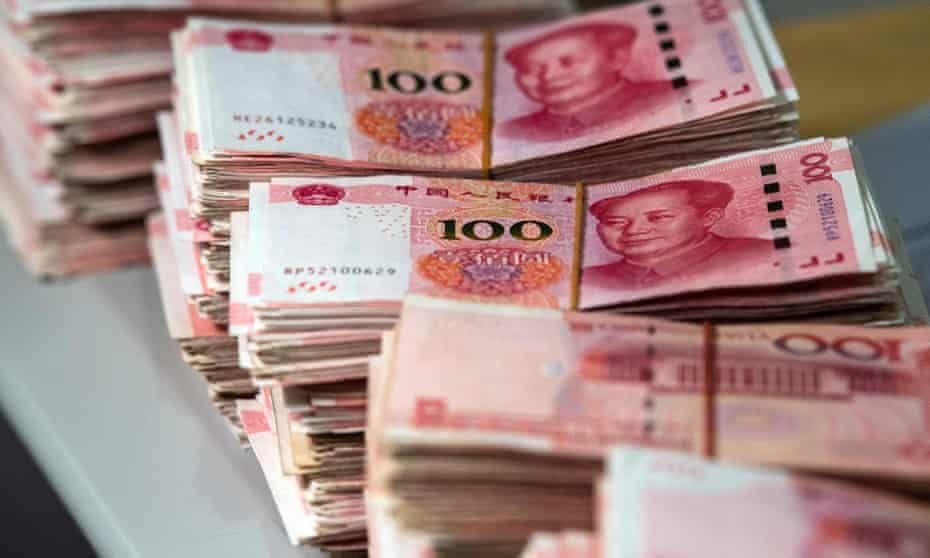
China’s yuan came under fresh pressure on September 2, 2026, as higher oil prices and stronger U.S. Treasury yields gave support to the U.S. dollar.
The yuan weakened slightly in the spot foreign exchange market as traders watched two major forces: the rise in global oil prices and the increase in U.S. bond yields. Both factors can affect the value of the Chinese currency because they influence the dollar, trade costs and investor demand.
The key figure for the day was the official central parity rate. On September 2, China set the yuan’s central parity at 6.7829 yuan per dollar.
The figure gives the market an important reference point for the yuan-dollar exchange rate. The spot yuan can trade around this level during the day, subject to China’s currency market rules.
Why oil prices matter
Oil has become an important part of the current currency story.
Oil prices moved higher as markets reacted to fresh tension between the United States and Iran. The conflict created concern about possible disruption to global energy supplies, especially around the Strait of Hormuz.
Higher oil prices can create problems for countries that import large amounts of energy. China is one of the world’s largest oil consumers and relies on overseas supplies to meet a large part of its energy needs.
When crude prices rise, Chinese companies may need more dollars to pay for oil imports. Since most global oil trade uses the U.S. dollar, a higher oil bill can raise demand for dollars.
That can place pressure on the yuan.
The effect is not always immediate or simple. China has large foreign exchange reserves and a huge export sector, which can provide a strong flow of dollars into the country. Still, a sharp rise in oil costs can add pressure at a time when the dollar itself has strong support.
U.S. yields add dollar support
The second major factor is the rise in U.S. Treasury yields.
The 10-year U.S. Treasury yield reached about 4.812%, its highest level in almost three years.
Higher U.S. yields can make dollar assets more attractive to investors. If investors expect better returns from U.S. bonds, they may increase their demand for dollars.
This can create pressure on other major currencies, including the yuan.
The relationship between bond yields and currencies is important because global investors often compare returns across countries. If U.S. yields rise while yields in other major markets remain lower, the dollar can gain an advantage.
That is what traders are watching now.
The yuan is not alone in this situation. Several Asian currencies have also faced pressure as the dollar has gained strength.
The central parity rate
China uses a managed exchange-rate system for the yuan. The People’s Bank of China, or PBOC, sets a daily central parity rate for the currency.
On September 2, the central parity was set at 6.7829 yuan per dollar.
This rate serves as a key reference for the trading session. The market rate can move around the central level, but the system limits how far the yuan can move from the official reference point each day.
This approach gives Chinese authorities more control over large currency swings.
The central parity also gives traders a signal about the PBOC’s view of the yuan. A stronger or weaker daily fixing can affect market expectations and influence the direction of the currency.
For September 2, the 6.7829 level became an important number for traders who follow USD/CNY and USD/CNH.
Dollar strength is a major factor
The yuan’s weakness also needs to be viewed through the wider dollar market.
The U.S. dollar has strengthened as investors react to geopolitical risk, higher oil prices and stronger U.S. Treasury yields.
The dollar index, known as DXY, reached about 99.81, its highest level since mid-August.
A stronger dollar usually creates pressure on other currencies. This effect can be especially clear across Asian foreign exchange markets because many economies in the region have close links with global trade and dollar-based commodities.
For China, the situation has another layer because policymakers want to maintain stability in the yuan.
The PBOC has several tools that can help limit sharp currency moves. The daily fixing is one of the most visible tools, while broader monetary and foreign exchange measures can also affect market conditions.
Oil creates a difficult balance for China
Higher oil prices create a mixed picture for China.
On one side, expensive crude raises costs for businesses and consumers. Transport, manufacturing and other industries can face higher expenses when energy becomes more expensive.
On the other side, China remains a major exporter. Strong exports can bring large amounts of foreign currency into the country and help offset some of the pressure from higher import costs.
This creates a balance between the dollar received from exports and the dollar paid for imports.
If oil prices remain high for a long period, the import side can become more costly. If export demand stays strong, the effect may be less severe.
That is why traders do not look at oil prices alone. They also watch China’s trade data, factory activity, export demand and domestic economic conditions.
U.S. rate expectations matter too
The Federal Reserve is another major part of the yuan story.
Markets have increased their expectations for a September Fed rate hike. The chance has moved to around 67% to 70%, compared with about 40% one week earlier.
The change has helped support the dollar.
If traders expect U.S. interest rates to stay high, demand for dollar assets can remain firm. This can create more pressure on currencies such as the yuan.
The Fed’s next policy meeting is scheduled for September 15–16. Before that meeting, investors will receive more economic data from the United States.
Inflation and employment figures will be especially important because they can change expectations for U.S. monetary policy.
A shift in those expectations could quickly affect the dollar and the yuan.
What the yuan move means for businesses
Changes in the yuan can have a direct effect on Chinese businesses.
Companies that import goods from overseas may face higher costs when the yuan loses value against the dollar. This is especially important for companies that buy energy, raw materials or equipment from international markets.
Exporters can see a different effect. A weaker yuan can make Chinese products cheaper for overseas buyers when prices are measured in foreign currencies.
However, the benefit depends on the company and its cost structure. An exporter that also relies on imported materials may face higher expenses at the same time.
This is why a stable exchange rate is often important for businesses. Large and sudden currency moves can make it harder for companies to plan prices, costs and future investments.
What traders may watch next
The next major focus will be whether the yuan can remain stable as the dollar stays strong.
Traders will watch the daily PBOC fixing, movements in U.S. Treasury yields and changes in oil prices. Each factor can influence the direction of USD/CNY.
The market will also watch developments in the Middle East. Any major change in the U.S.-Iran conflict could affect crude prices and the dollar at the same time.
U.S. economic data will remain just as important. Strong data could support the dollar if it leads traders to expect tighter Fed policy. Weak data could have the opposite effect.
China’s own economic data will also matter. Strong export figures and better domestic activity could support confidence in the yuan, while weak figures could create additional pressure.
A currency caught between global forces
The yuan’s move on September 2 shows how closely China’s currency is tied to global financial markets.
The official central parity stood at 6.7829 yuan per dollar, but the currency faced pressure from higher oil prices and stronger U.S. Treasury yields.
The situation is part of a much larger market story. The dollar has gained support from safe-haven demand, higher U.S. yields and stronger expectations for a possible Fed rate hike. At the same time, oil prices have moved higher because of renewed geopolitical concerns.
For China, these forces create a difficult balance. Higher oil costs can increase demand for dollars, while strong exports can provide dollar income. The PBOC can also use its policy tools to reduce excessive currency volatility.
For now, the yuan remains sensitive to movements in the dollar, oil and U.S. bond yields.
The 6.7829 yuan per dollar central parity will remain an important reference as traders assess the next move. If oil stays high and U.S. yields remain firm, the yuan could face more pressure. If those forces ease, the currency may find more room to recover.
The September 2 session therefore highlights one simple fact: the yuan’s direction depends not only on China’s economy, but also on what happens in global oil, bond and currency markets.
Also Read – National Plastic Industries Sets 39th AGM for September 23