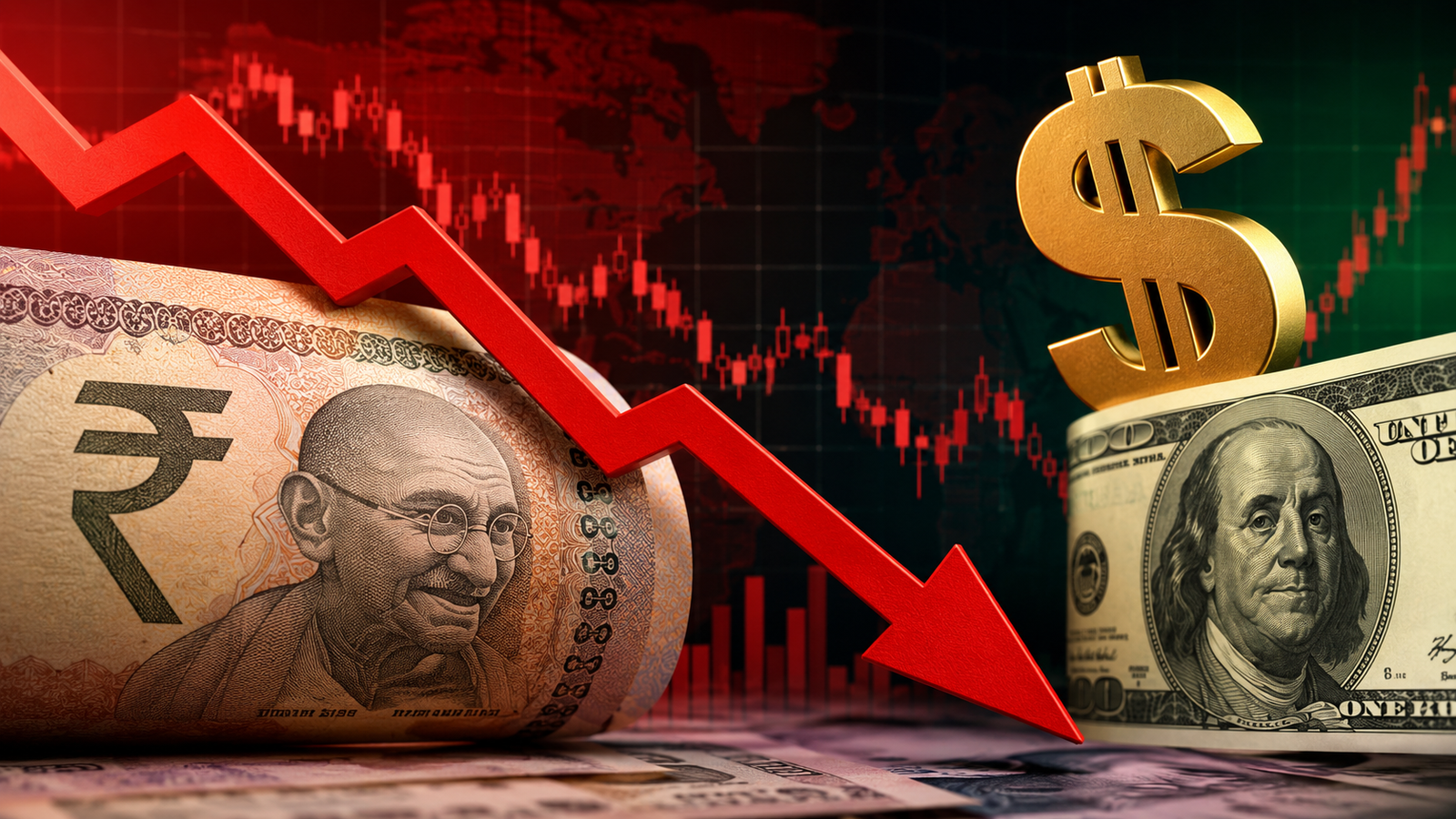
Asian share markets faced fresh pressure as higher oil prices raised new concerns about inflation and interest rates. The move came at a sensitive time for global markets, as investors prepared for key central bank decisions in the United States and Japan.
The main issue for markets is the sharp rise in crude oil. Brent crude stood at about $107–108 a barrel, with prices up by about 3% in the latest move described in the earlier market report. The rise came after reports of attacks that affected Saudi oil infrastructure and shipping routes.
Higher oil prices can have a wide effect on the global economy. Oil is a major input for transport, manufacturing, power and many other parts of economic activity. When crude prices rise for a sustained period, companies may face higher costs. Consumers may also pay more for fuel and other goods and services.
The market concern is not only about oil itself. The larger concern is what a long period of high oil prices could mean for inflation and central bank policy.
Why Asian Stocks Came Under Pressure
Equity markets tend to react to changes in the expected path of interest rates. When investors expect rates to remain high or rise further, the value placed on future corporate profits can fall.
That pressure can be stronger for technology and other growth companies. Such businesses often have a larger share of their expected value in profits that may come years later. Higher interest rates can reduce the value investors assign to those future profits.
This helps explain why technology and chip shares faced pressure in parts of Asia. The earlier market report noted that Japan’s Nikkei was down about 1.6% in early trade, with chip and metals shares among the notable decliners.
The decline does not, by itself, show that the Asian economy has entered a major downturn. Daily market moves can result from many factors. These include oil prices, currency moves, bond yields, company results, central bank expectations and investor risk appetite.
A more useful question is whether the oil shock lasts long enough to affect inflation and economic growth in a material way.
The Oil Price Shock
The rise in crude prices is the central factor in the current market story.
Brent crude, a major global oil price benchmark, was reported at around $107–108 a barrel. The price was about 3% higher in the latest move cited in the earlier report.
The reported cause was disruption linked to attacks on Saudi oil infrastructure and shipping routes. Any major disruption to oil supply or transport can cause traders to place a higher value on available crude. The effect can become larger when markets fear that the disruption may last for an extended period.
It is important, however, to distinguish a short-term price reaction from a lasting supply shortage. A temporary disruption may cause a sharp rise in crude prices that later fades. A long disruption could have a much larger effect on inflation, business costs and consumer demand.
For that reason, the duration of the oil shock may matter as much as the size of the first price move.
Inflation Risk
Oil has a direct and indirect effect on inflation.
The direct effect comes from fuel. When crude prices rise, petrol, diesel and other energy costs can rise as well. The indirect effect can be broader. Higher transport costs can raise the cost of moving food, industrial goods and other products.
Businesses may then face a choice. They can accept lower profit margins, or they can pass part of the higher cost to customers through higher prices.
If price pressure remains limited to energy, central banks may have more room to look past the temporary effect. If higher oil prices begin to affect a wider set of goods and services, the policy problem becomes harder.
This is why investors are focused on the relationship between crude prices and interest rates.
Rate Hike Expectations
The Federal Reserve is a major focus for global markets this week. The earlier market report stated that markets were pricing about an 86% probability of a US rate hike.
That figure is a market expectation rather than a guarantee. Market pricing can change quickly as new economic data, oil prices, official comments or geopolitical events alter investor views.
The Bank of Japan is also expected to raise rates, according to the earlier report.
The possibility of rate hikes at a time of high oil prices creates an unusual market situation. Central banks may face stronger inflation pressure at the same time as higher borrowing costs start to affect economic activity.
The policy challenge is simple to describe. If a central bank raises rates to control inflation, it can place more pressure on households and businesses. If it does not respond to persistent inflation, it may allow price pressure to become more deeply established.
Key Market Data
| Market factor | Data from the earlier report | Possible market relevance |
|---|---|---|
| Brent crude | About $107–108 a barrel | Higher energy cost and inflation risk |
| Brent daily move | About +3% | Fresh pressure on inflation expectations |
| Nikkei | About -1.6% in early trade | Evidence of weaker risk appetite in Japan |
| US rate hike probability | About 86% | Strong market expectation of tighter policy |
| Bank of Japan | Rate hike expected | Possible effect on yen and Japanese assets |
| Federal Reserve | Decision due Wednesday | Key event for global markets |
| Bank of Japan | Decision due Friday | Key event for Japanese and Asian markets |
The table above uses the figures stated in the earlier market summary. Actual market prices and probabilities can change during the day.
Why Higher Rates Matter for Stocks
Interest rates affect stocks through several channels.
First, higher rates can increase borrowing costs. Companies that depend on debt may face higher interest expenses. Households can also face higher costs for loans and other forms of credit.
Second, higher rates can make bonds and cash instruments more attractive compared with shares. Investors may demand a stronger return from equities before they accept the additional risk.
Third, higher rates can affect company valuations. A company’s future profits are worth less in present terms when the discount rate rises.
This does not mean every stock must fall when rates rise. Banks, energy companies and other sectors can react differently. The effect depends on the company’s balance sheet, revenue model, costs and exposure to economic growth.
The current market move therefore needs to be viewed as a broad risk signal rather than a prediction for every company or sector.
Pressure on Technology Stocks
Technology shares can be especially sensitive to changes in interest rate expectations.
Many technology companies trade at valuations based on strong future growth. If interest rates rise, investors may place a lower present value on those future earnings.
The earlier report said that higher oil prices and higher rates were particularly negative for growth and technology stocks.
The decline in Japanese chip shares fits that broader pattern. However, chip companies also face their own business factors. These can include demand for electronics, artificial intelligence hardware, inventories, capital spending and global trade.
Therefore, it would be too broad to say that the fall in chip stocks was caused only by oil or interest rates. The available information supports a link with the wider market pressure, but several factors may have contributed.
Japan and the Nikkei
Japan’s Nikkei was reported as down about 1.6% in early trading.
Japan is especially important in this market story because the country has its own central bank policy question. The Bank of Japan is expected to raise rates, according to the earlier report.
A change in Japanese interest rates can affect the yen, Japanese bonds and domestic equities. It can also influence global markets because investors may change how they allocate capital between Japanese assets and assets in other countries.
The effect on Japanese companies is not uniform. A stronger yen can create challenges for exporters because overseas earnings may translate into fewer yen. At the same time, a stronger currency can reduce the domestic cost of imported commodities such as oil.
This creates a complex relationship between the currency, oil prices and Japanese shares.
The Stagflation Concern
The most important economic risk in the current situation is a possible combination of higher inflation and weaker growth.
This is often described as stagflation.
The basic chain is straightforward. Higher oil prices can raise inflation. Higher inflation can encourage central banks to keep rates high or raise them. Higher rates can reduce demand and increase borrowing costs. Weaker demand can then put pressure on economic growth.
The concern becomes greater if crude remains above $100 a barrel for a long period.
That does not mean stagflation is certain. The outcome depends on how long the oil disruption lasts, how consumers respond, how businesses absorb higher costs and how central banks react.
A short oil shock may have a limited economic effect. A prolonged shock can be much more difficult to manage.
What Markets May Watch Next
The Federal Reserve decision on Wednesday is one of the main events for global investors. The Bank of Japan decision on Friday is another important event.
Markets will also watch crude oil prices closely. A continued rise in oil would increase concern about inflation. A clear decline in oil prices could reduce some of that pressure.
US Treasury yields will also matter. Higher yields can reinforce the pressure on equity valuations, especially for growth stocks.
Currency markets are another important area. The earlier report noted that the dollar was steady while the yen traded near a seven-month high ahead of the Federal Reserve and Bank of Japan meetings.
Changes in the dollar and yen can affect companies, commodities and investor flows across Asia.
What Could Change the Market View
The present market reaction is based on information available at this point. It can change quickly.
If the oil disruption becomes shorter than feared, crude prices could ease. That could reduce inflation concerns and lower pressure on central banks.
If the disruption becomes larger or lasts longer, the opposite could occur. Oil could remain high, inflation expectations could rise and markets could assign a greater chance to additional rate action.
Economic data will also matter. If inflation remains high while economic growth weakens, investors may become more concerned about the policy trade-off.
On the other hand, if inflation proves temporary and economic activity remains strong, equity markets may absorb higher oil prices more easily.
A Balanced Reading of the Market
The current decline in Asian shares should not be treated as proof of a lasting market downturn.
Markets often react sharply to geopolitical developments before there is enough information to assess their full economic effect. The first price reaction can therefore be larger than the eventual economic impact.
At the same time, the combination of oil near $107–108 a barrel, a reported 3% rise in Brent, an 86% market-implied probability of a US rate hike, and a 1.6% early decline in the Nikkei shows why investors are cautious.
These figures point to a clear change in the short-term risk environment. Energy costs are higher, inflation concerns have returned and expectations for monetary policy have become more important.
The key issue is duration. If the oil shock fades, some of the current pressure may also fade. If high oil prices persist, central banks may face a harder choice between inflation control and economic support.
Conclusion
Asian markets are under pressure as higher oil prices add a new source of inflation risk at a time when major central banks may raise interest rates.
Brent crude was reported at about $107–108 a barrel, up about 3%. Japan’s Nikkei was down about 1.6% in early trade. Markets were also pricing about an 86% chance of a US rate hike, while a Bank of Japan rate hike was expected.
The immediate market concern is the combination of higher energy prices and tighter monetary policy. This combination can place pressure on company profits, consumer demand and stock valuations.
Still, the final economic effect cannot be known from a single market session. The duration of the oil disruption, the path of crude prices, inflation data and central bank decisions will determine whether the current move proves temporary or becomes part of a wider market adjustment.
For now, the most reasonable analytical view is that investors face a higher level of uncertainty. Oil prices, bond yields, the Federal Reserve decision on Wednesday and the Bank of Japan decision on Friday are the main factors that could shape the next phase of the market.
This analysis is for general information only. It does not constitute investment, financial, legal or other professional advice. Market data and expectations can change without notice, and past or current market movements do not guarantee future results.
ALSO READ: Summer.fi Faces $6M Loss After DeFi Vault Exploit