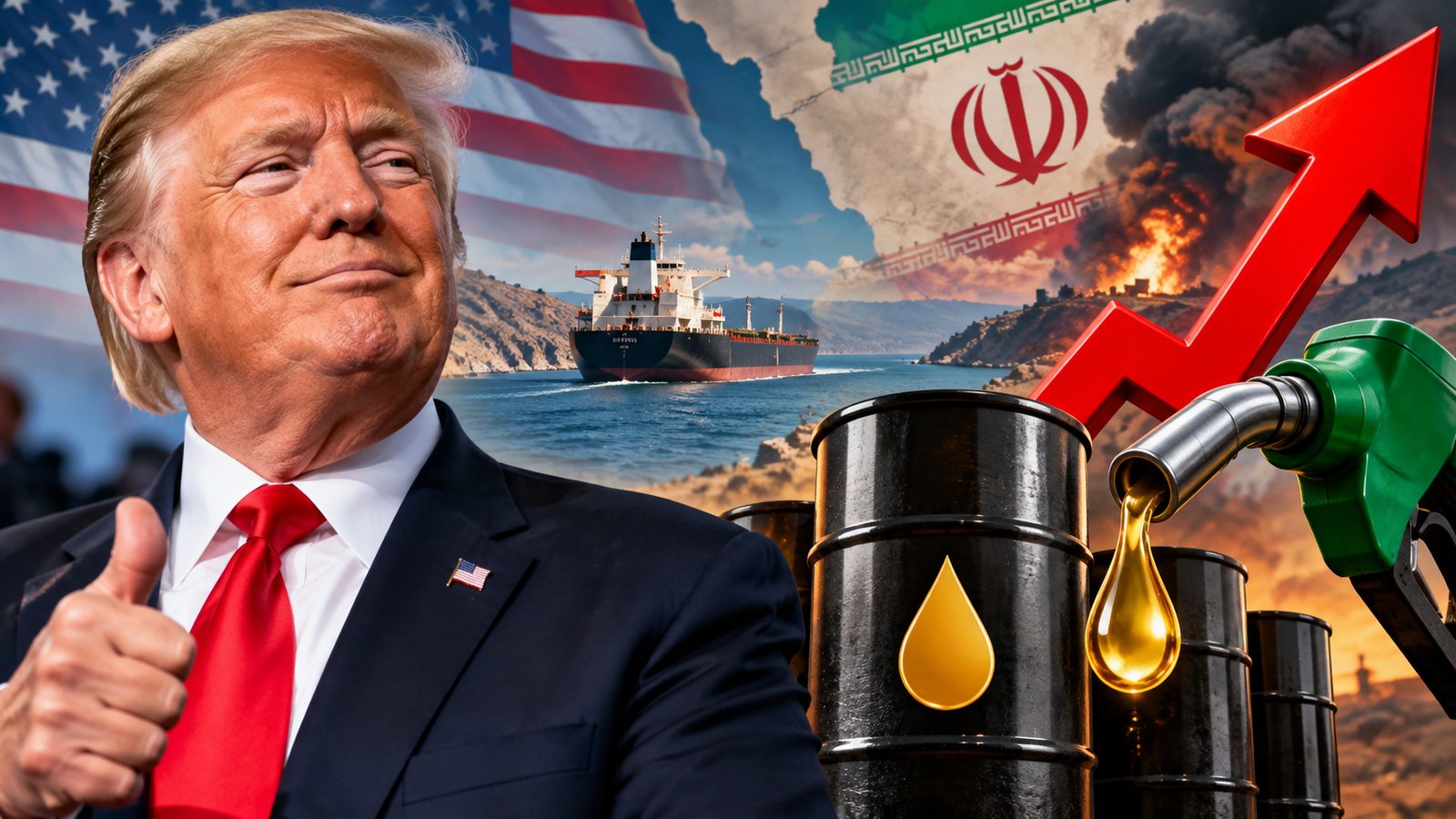
Indian stock markets face a difficult global backdrop as investors keep a close watch on the US-Iran situation and US-China talks. These two issues have become important for global markets because they can affect oil prices, trade, inflation and investor confidence.
For India, the biggest near-term concern is crude oil. A rise in oil prices can hurt the economy because India imports most of the crude it needs. Higher oil prices can raise the import bill, put pressure on inflation and increase costs for companies and households. India imports more than 88% of its crude oil needs, which makes the country highly sensitive to any major oil shock.
This has made geopolitical news a key factor for the Nifty. Any fresh escalation in West Asia can quickly change market sentiment. At the same time, signs of peace or a possible deal can bring some relief.
US-Iran Situation Remains Critical
The US-Iran conflict has a direct link with the oil market. The key worry is not only the conflict itself but also the safety of major oil routes.
The Strait of Hormuz is especially important. A large amount of global oil trade passes through this route. Any serious disruption can reduce supply and push crude prices higher.
Recent events have already shown how quickly this risk can affect Indian shares. On September 11, Brent crude moved above $108 per barrel, while the Nifty 50 fell 0.92% to 23,261.7 and the Sensex dropped 0.84% to 74,272.61. Both indexes touched their lowest levels since June 11.
The impact was broad. Fifteen of the 16 major sectors fell that day. Financial stocks declined 1.4%, metals fell 2.8%, and auto shares lost 1.3%. Small-cap and mid-cap stocks also faced heavier pressure.
This shows why oil has become one of the most important market signals for India.
Why Crude Oil Matters So Much for India
Higher crude prices create pressure on several parts of the Indian economy. First, the country has to spend more on imports. This can widen the trade deficit and put pressure on the rupee.
Second, expensive oil can raise transport and production costs. Fuel is part of the cost structure for many businesses. Higher costs can affect profit margins if companies cannot pass the full increase to customers.
Third, expensive crude can add to inflation. If inflation stays high for a longer period, central banks may have less room to cut interest rates. In a worse case, markets may start to expect tighter monetary policy.
Recent market action reflects this concern. On September 11, the Indian 10-year government bond yield moved above 7%, its highest level in more than three months. Higher oil prices and higher US yields added to pressure on Indian bonds and shares.
The key issue for investors is therefore not just one day of high crude prices. The bigger concern is whether oil stays above $100 for a long period.
Trump-Xi Talks Add Another Layer
The other major global factor is the relationship between US President Donald Trump and Chinese President Xi Jinping.
The US and China remain two of the world’s biggest economies. Their trade relationship affects global supply chains, manufacturing, technology and commodity demand. Any major change in their relationship can influence markets across the world.
Trump and Xi are due to meet in Washington on September 24, with the two sides seeking to extend a fragile trade truce. The talks come at a time when disputes over tariffs, technology and rare-earth exports remain unresolved.
A positive outcome could improve global investor confidence. It could also reduce fears of a fresh trade war between the world’s two largest economies.
However, a poor outcome could have the opposite effect. New tariffs or restrictions could hurt global trade and create fresh pressure on companies that depend on international supply chains.
China and Oil Add to the Picture
The US-China relationship also matters for crude oil. China is a major oil buyer and has close trade links with Gulf countries.
Any improvement in US-China ties could support global risk appetite. Investors may become more comfortable with stocks and other assets seen as riskier.
On the other hand, a fresh dispute could make investors more cautious. Money may move toward safer assets such as the US dollar and government bonds.
For India, this matters because foreign investor flows can have a strong effect on the stock market. A weaker global mood can lead to more foreign selling in Indian equities.
Nifty Faces a Global Test
The Nifty is now caught between domestic support and global pressure.
India’s domestic economy still offers some comfort. Recent economic data, credit growth, GST collections and auto sales have pointed to continued activity in the economy. Corporate earnings also remain an important source of support.
But global risks can dominate short-term market moves. On September 11, the Nifty fell to 23,261.7, while the Sensex reached 74,272.61. For the week, the Nifty fell 2.7% and the Sensex declined 2.9%, their fifth straight weekly fall.
The market also showed signs of a split between sectors. Oil producers such as ONGC and Oil India gained as higher crude prices supported their margins, while many other sectors came under pressure.
This shows that investors may not treat every sector in the same way. The effect of higher oil prices can vary from one company to another.
What Investors Need to Watch
The direction of crude oil may remain the most important signal for the Nifty in the near term. If Brent crude moves higher because of fresh conflict or supply concerns, Indian equities could face more pressure.
A fall in crude would provide some relief. Lower oil prices could reduce concerns about inflation, the import bill and corporate costs.
The US-Iran situation will therefore remain important. Any progress toward talks or a reduction in military tension could help markets. A fresh attack on oil facilities, tankers or key shipping routes could create another sharp move in crude.
The Trump-Xi meeting is another major event. A constructive discussion could improve global sentiment. If the talks lead to better trade relations, markets may see it as a positive sign. A new dispute over tariffs or technology could raise uncertainty once again.
The Road Ahead for Indian Equities
The Indian market is likely to remain sensitive to global headlines until there is more clarity on these issues.
The key message for investors is simple. Crude oil and geopolitics are closely linked, and both can move the Nifty very quickly. The US-Iran conflict can affect oil supply and prices, while the Trump-Xi relationship can shape global trade and risk appetite.
For now, elevated geopolitical risk and crude prices remain the biggest near-term variables for Indian equities. At the same time, India’s domestic economic strength can offer some support if global conditions improve.
The market may therefore remain volatile rather than move in one clear direction. A fall in crude, calmer conditions in West Asia and positive US-China talks could create room for recovery. A rise in oil prices, further conflict and renewed trade tensions could keep pressure on the Nifty.
For investors, the coming period will be less about one single headline and more about how these global events affect oil, inflation, interest rates, the rupee and foreign fund flows. Those factors will decide how strongly global risks reach Indian markets.