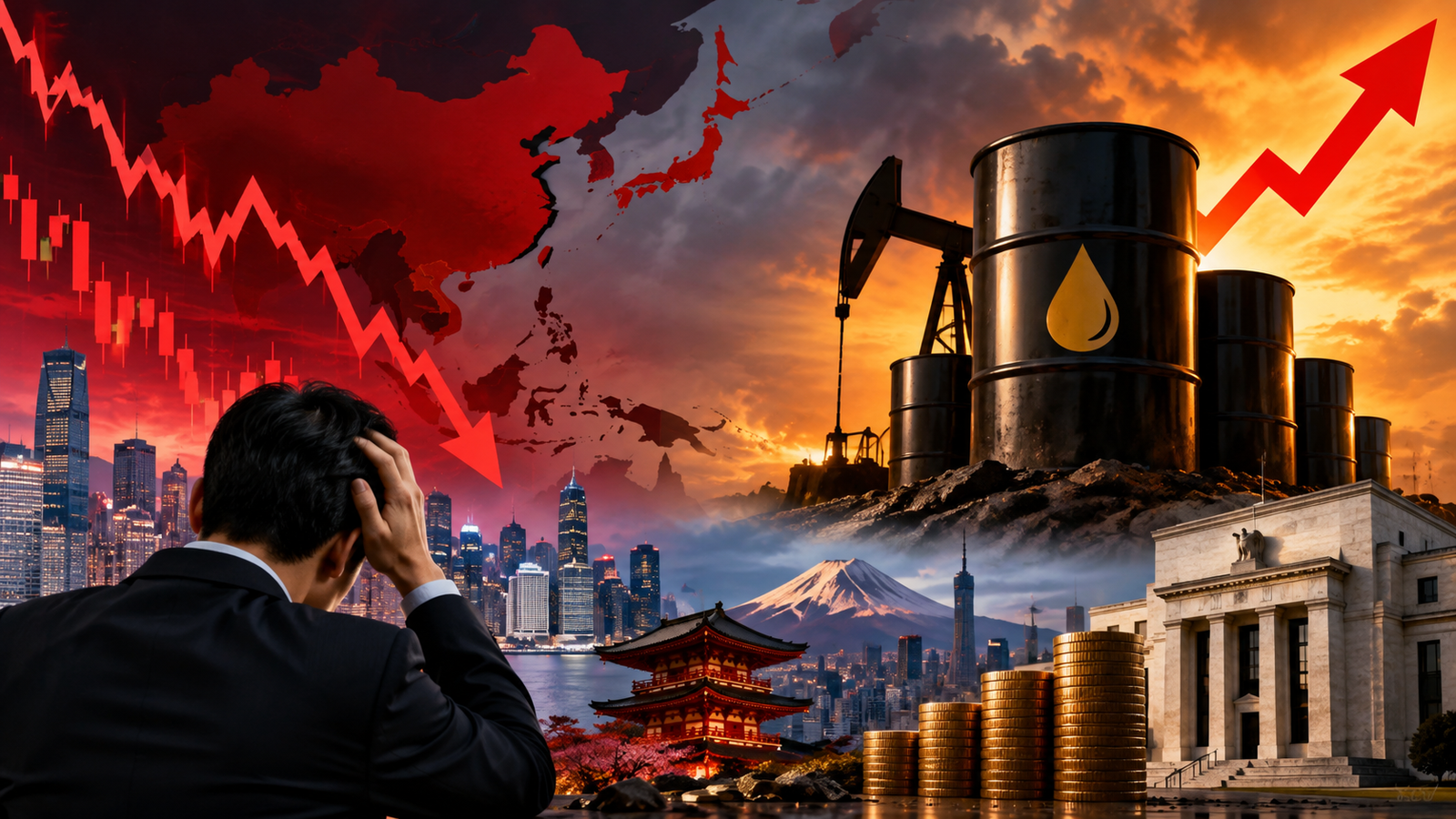
Oil prices have reached their highest level in five months. The main reasons are rising tensions in the Middle East and fears of a possible drop in global oil supplies. The region plays a major role in the world oil market, so any threat to its oil supply can push prices up.
When oil prices rise, the effects can spread across many parts of the economy. Oil is a key resource for transport, factories, power and many other business activities. A rise in its price can make it more costly for companies to run their daily work. It can also raise the cost of fuel and other basic goods for people.
Why Middle East Tensions Matter
The Middle East is one of the world’s key oil-producing regions. Political conflict or security risks in the area can create fears that oil supplies may fall or face delays. Even if supply does not drop at once, such fears can cause prices to rise.
Oil traders pay close attention to any news that may affect supply. If they expect less oil to reach the market, prices can rise as buyers try to secure enough supply. The size and length of the price rise depend on how serious the threat is and whether it leads to a real loss of oil.
If tensions ease and supplies remain stable, oil prices may fall again. But if the crisis lasts or causes major supply problems, prices may stay high for a longer period. This could place more pressure on the global economy.
Higher Oil Costs Can Hurt Companies
A rise in oil prices can increase costs for many businesses. Companies need fuel to move goods, run machines and carry out daily work. When fuel becomes more costly, their total expenses can rise.
For example, transport firms may have to pay more for diesel. Airlines may face higher costs for jet fuel. Factories may also pay more for power, raw materials and the movement of goods. These extra costs can reduce the profit that a company earns from its sales.
Some firms may raise the prices of their products or services to cover the extra expense. However, they may not always be able to do so. If customers refuse to pay more, the company may have to accept lower profits.
Small firms may face greater pressure because they often have less money to deal with sudden cost rises. If oil prices remain high, some businesses may cut costs, reduce plans for growth or delay new projects.
Oil Prices Can Push Inflation Higher
Inflation refers to a rise in the prices of goods and services over time. Higher oil prices can add to inflation because fuel is a key part of the cost of transport, production and trade.
When petrol and diesel prices rise, it may cost more to move food, clothes, medicines and other goods from one place to another. Businesses may pass these extra costs on to buyers. As a result, people may have to pay more for everyday needs.
The effect can spread beyond fuel. Many products rely on factories, road transport and other services that use energy. If these costs rise across the supply chain, the final price of a product may also go up.
However, the effect on inflation depends on how much oil prices rise, how long they stay high and whether companies pass their extra costs on to customers. A short rise may have a limited effect, while a long period of high prices may create a larger problem.
Why Oil Importers Face Greater Risk
Countries that buy large amounts of crude oil from other nations are more exposed to higher global prices. They must pay more to meet their energy needs when oil becomes costly.
A higher oil import bill can put pressure on a country’s finances and trade balance. It may also leave less money for other needs, such as roads, schools, health services and business growth.
The effect can be serious for countries that rely on imported crude but have limited local oil supplies. They may face higher fuel costs, more price pressure and slower economic growth if the rise lasts for a long time.
What Higher Oil Prices Mean for India
India is a major crude oil importer, so changes in global oil prices matter to its economy. When crude becomes more costly, India may have to spend more money on oil imports to meet domestic demand.
A larger oil import bill can widen the current account deficit. This is a measure of the gap between a country’s payments to the rest of the world and its earnings from abroad on current transactions. A wider deficit can put pressure on the Indian rupee, although the final effect also depends on other economic and financial factors.
Higher crude prices can also raise the cost of petrol, diesel, transport and goods. The effect on retail fuel prices depends on global crude costs, taxes, company decisions and government policy.
If fuel and transport costs remain high, households may have less money left for other purchases. Businesses may also face higher expenses, which can affect profits, new investment and job creation.
What It Means for Interest Rates
Higher oil prices can make it harder for central banks to control inflation. If fuel and other costs rise for a long time, overall prices may remain high.
In such a case, central banks may choose to keep interest rates high for longer. Higher rates can make loans more costly for households and businesses. This may reduce demand for homes, cars and other major purchases. Companies may also delay plans that require large loans.
However, higher oil prices do not always lead to a rise in interest rates. Central banks also look at other factors, such as food prices, economic growth and the wider inflation trend.
How Financial Markets May React
Higher oil prices can have different effects on different parts of the stock market. Oil producers may benefit if they can sell crude at higher prices and their own costs do not rise as much.
On the other hand, airlines, transport firms and some manufacturers may face higher expenses. Companies that sell everyday goods may also come under pressure if customers cut their spending due to higher living costs.
Investors may also become more cautious if the oil price rise creates fears of higher inflation or weaker economic growth. Still, market results depend on many factors, including company profits, demand, interest rates and the wider global outlook.
What to Watch Next
The next major factors are the level of tension in the Middle East, the safety of key oil supply routes and any real disruption to crude exports. Decisions by OPEC+, a group of major oil producers and their partners, may also affect the amount of oil available to the world market.
Oil stock levels and global demand will matter as well. If supplies remain strong and demand weakens, prices may ease. If supply falls while demand stays firm, prices may remain high.
Final Takeaway
The rise in oil prices to a five-month high highlights the risk that Middle East tensions can pose to the global economy. More costly oil can reduce company profits, push inflation higher and put pressure on economic growth.
For India and other major oil importers, the risks can be greater because they must spend more to buy crude from abroad. The main concern is not just the latest price rise, but how long oil remains expensive. A brief rise may have a limited effect, while a lasting supply shock could create wider economic problems.