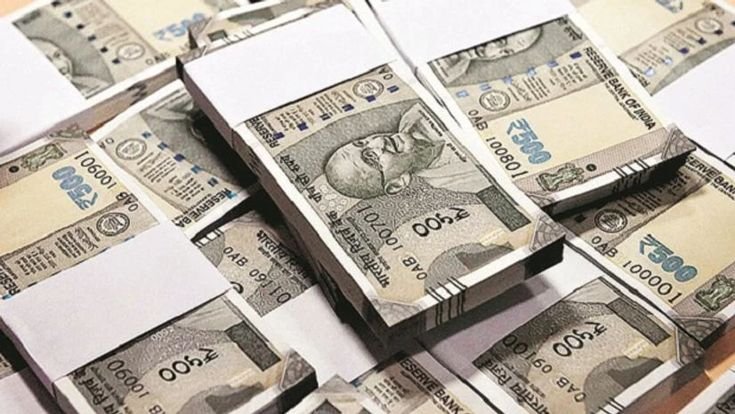
Investing ₹1,00,000 can feel small compared with big institutional portfolios — but done well it’s plenty to start a diversified, low-cost ETF portfolio that serves long-term goals. The trick is to choose a small number of high-quality ETFs, keep costs low, and rebalance on a simple schedule. Below you’ll find nine practical, ready-to-implement portfolio blueprints (from ultra-conservative to aggressive growth), exact rupee allocations that add up to ₹1,00,000, and the latest headline facts you need to know before placing orders in January 2026.
Where I give fund facts I’m reporting current headline figures so you can see realistic expense levels and fund scale before you buy. No links, no footnotes — just the numbers you need to act.
Quick orientation: ETF building blocks you’ll see
Before the portfolios, a short description of the ETF building blocks used:
-
SBI Nifty 50 ETF — Large-cap core, low cost, very liquid. Latest headline: AUM ≈ ₹2,18,215 crore, expense ratio ≈ 0.04%. Use this as a domestic equity backbone.
-
ICICI Prudential Nifty Next 50 ETF — “Next 50” mid/large-cap exposure (growthier than top-50). Latest headline: AUM ≈ ₹2,041 crore, expense ratio ≈ 0.10%. Good for a growth tilt.
-
Bharat Bond ETF (April 2030) — High-quality, AAA/AA government-backed bonds in a fixed-tenor ETF. Latest headline: AUM ≈ ₹25,246 crore, expense ratio ≈ 0.01%. Use as low-cost fixed income.
-
Motilal Oswal NASDAQ-100 ETF — India-listed access to major U.S. tech and growth companies. Latest headline: AUM ≈ ₹11,211 crore, expense ratio ≈ 0.59%. Good for global tech tilt.
-
Nippon India ETF Gold BeES — Physical-backed gold exposure. Latest headline: AUM ≈ ₹39,901 crore, expense ratio ≈ 0.80%. Use as an inflation / tail-risk hedge.
-
Cash or liquid funds — Keep a small buffer for opportunities or emergencies; liquid funds are low-risk parking places.
All numbers above are headline figures you can expect to see on fund platforms in late January 2026. Use them to judge cost and scale — AUM and low expense ratios help ensure tight spreads and easy trading.
How I’ll present each portfolio
For each template I’ll give:
-
A short name and investor profile.
-
Percent and rupee allocations that sum to ₹1,00,000.
-
Why it’s appropriate and what to expect.
-
Practical tips for implementation and rebalancing.
1) Ultra-Conservative — Capital Preservation (Age 60+, very low risk)
Ideal for: Investors who can’t stomach equity volatility and need a stable principal.
-
Bharat Bond ETF (Apr 2030) — 70% → ₹70,000
-
SBI Nifty 50 ETF — 15% → ₹15,000
-
Nippon India Gold BeES — 15% → ₹15,000
Why this works: The bond sleeve (70%) aims to deliver low volatility and reliable returns tied to high-quality debt. A small equity stake keeps some upside; a modest gold allocation protects against inflation and currency shocks. Expect rarely large drawdowns, and modest long-term returns that outperform cash but lag full equity portfolios.
Practical tip: Rebalance once a year. If bonds exceed 75% or fall below 65% of the portfolio, rebalance back to the 70/15/15 target.
2) Conservative — Income + Modest Growth
Ideal for: Retirees who want income with some growth.
-
Bharat Bond ETF (Apr 2030) — 50% → ₹50,000
-
SBI Nifty 50 ETF — 30% → ₹30,000
-
Nippon India Gold BeES — 10% → ₹10,000
-
ICICI Nifty Next 50 ETF — 10% → ₹10,000
Why this works: This keeps a sizeable fixed-income cushion (50%) while providing a 40% equity sleeve split across stable large caps and growthier next-50 names. Gold remains a small hedge. Expect moderate volatility, better real returns than pure bonds, and reasonable income characteristics.
Practical tip: Use bond coupon flows or periodic withdrawals for income rather than selling equities during downturns.
3) Balanced — Classic 60/40 Tilt (Long-term savers)
Ideal for: Investors who want a timeless mix of growth and defense.
-
SBI Nifty 50 ETF — 36% → ₹36,000
-
Bharat Bond ETF (Apr 2030) — 24% → ₹24,000
-
Motilal Oswal NASDAQ-100 ETF — 20% → ₹20,000
-
Nippon India Gold BeES — 10% → ₹10,000
-
ICICI Nifty Next 50 ETF — 10% → ₹10,000
Why this works: It blends domestic core equity with international tech exposure for growth, plus a meaningful bond sleeve to cushion corrections. The Next 50 allocation adds a domestic growth engine and small-cap tilt without large positions in one stock.
Practical tip: Rebalance annually; consider trimming NASDAQ exposure after large rallies to lock gains and maintain risk.
4) Growth-Focused — Domestic + Global Tech (Medium-to-high risk)
Ideal for: Investors aged 25–45 seeking aggressive growth but with some diversification.
-
SBI Nifty 50 ETF — 40% → ₹40,000
-
Motilal Oswal NASDAQ-100 ETF — 30% → ₹30,000
-
ICICI Nifty Next 50 ETF — 20% → ₹20,000
-
Nippon India Gold BeES — 10% → ₹10,000
Why this works: A heavy equity tilt with a big allocation to global technology (via NASDAQ exposure) amplifies long-term growth potential. Keep a modest gold buffer for crises.
Practical tip: Expect higher volatility; keep at least a 6–10 year horizon and top up via SIPs during dips.
5) High-Growth / Aggressive — Maximum Equity Beta (Young investors)
Ideal for: Investors with long horizons (10+ years) who tolerate big swings.
-
SBI Nifty 50 ETF — 25% → ₹25,000
-
ICICI Nifty Next 50 ETF — 35% → ₹35,000
-
Motilal Oswal NASDAQ-100 ETF — 30% → ₹30,000
-
Cash buffer — 10% → ₹10,000
Why this works: Concentrated equity exposure across domestic large caps, next-50 growth names and U.S. tech creates a high-return opportunity set — but expect large drawdowns. The cash buffer helps buy dips without selling core holdings.
Practical tip: Use the 10% cash to add to equities during corrections; avoid overtrading.
6) Income + Tax Efficiency — Conservative, tax-aware
Ideal for: Investors mindful of tax and seeking predictable cashflows.
-
Bharat Bond ETF (Apr 2030) — 60% → ₹60,000
-
SBI Nifty 50 ETF (accumulation) — 20% → ₹20,000
-
Nippon India Gold BeES — 10% → ₹10,000
-
Liquid cash/fund — 10% → ₹10,000
Why this works: Bharat Bond’s low-cost, fixed-tenor structure is tax-efficient for certain investors and provides stability. Keep equity exposure modest for growth and maintain a small liquid reserve for taxes and expenses.
Practical tip: Confirm tax rules for capital gains on ETFs (equity vs non-equity classification) before finalizing allocations.
7) International Diversifier — Domestic Core + Global Growth
Ideal for: Investors who want domestic stability but don’t want to miss global tech.
-
SBI Nifty 50 ETF — 45% → ₹45,000
-
Motilal Oswal NASDAQ-100 ETF — 30% → ₹30,000
-
Bharat Bond ETF — 15% → ₹15,000
-
Nippon India Gold BeES — 10% → ₹10,000
Why this works: Keeping domestic exposure dominant preserves home-country familiarity while the NASDAQ allocation offers access to global technology and innovation.
Practical tip: Watch currency effects when the rupee moves; US-tech gains denominated in dollars can be amplified or reduced by currency swings.
8) SIP-Style Plan (Monthly investing with ₹10,000/month for 10 months)
Ideal for: Investors preferring rupee-cost averaging.
Monthly split per ₹10,000:
-
SBI Nifty 50 ETF — ₹4,000/month
-
Bharat Bond ETF — ₹3,000/month
-
Motilal Oswal NASDAQ-100 ETF — ₹2,000/month
-
Nippon India Gold BeES — ₹1,000/month
Why this works: SIP smooths entry points and reduces the risk of poor timing. The mix maintains diversification and slowly builds both growth and safety components.
Practical tip: If your platform supports monthly direct ETF SIPs, use them; otherwise, set reminders to buy the target amounts each month.
9) Minimalist Two-Fund (Simplicity lovers)
Ideal for: First-time investors and those who want low maintenance.
-
SBI Nifty 50 ETF — 65% → ₹65,000
-
Bharat Bond ETF — 35% → ₹35,000
Why this works: Two funds keep bookkeeping trivial and rebalancing straightforward. This is surprisingly effective — one equity ETF for growth and one bond ETF for safety.
Practical tip: Rebalance only when the split deviates by more than 5 percentage points to avoid churn.
Implementation checklist (before you buy)
-
Confirm tickers and current expense ratios on your broker platform — the numbers above reflect late Jan 2026 headline figures.
-
Check average daily volume and bid-ask spreads — higher AUM usually means tighter spreads and cheaper execution for retail orders.
-
Decide lump-sum vs SIP — SIPs reduce timing risk; lump-sum may be fine if you’ve already decided and have a long horizon.
-
Watch taxes — equity-class ETFs and debt-class ETFs have different capital gains rules; know your holding period thresholds.
-
Minimise trading costs — place limit orders if you don’t need immediate execution and watch brokerage fees.
-
Set a rebalancing cadence — annually or semi-annually is usually enough for ₹1 lakh portfolios.
Risk notes and behavioural rules
-
Don’t chase last year’s winners. Historical returns aren’t guarantees — build allocation that fits your risk tolerance.
-
Costs matter over decades. Prefer low-expense core ETFs for long-term holdings. Even a few basis points compound over time.
-
Keep an emergency buffer. Even aggressive portfolios should hold a small cash reserve (5–10%) for unexpected needs.
-
Rebalance, don’t react. Use rebalancing rules to sell winners and buy laggards — it forces discipline.
Final thoughts
A ₹1,00,000 starting capital is more than enough to build a resilient, diversified ETF portfolio. Whether you prefer the ultra-simple two-fund route, a balanced 60/40, or a growth-first approach with meaningful global tech exposure, the portfolios above give concrete allocations and practical steps you can implement today.
Headline data (AUM and expense ratios) I used in the templates shows the funds are large and liquid enough for retail investors, and expense ratios are low on core domestic equity and bond ETFs. Keep those numbers in mind when you place orders — small cost savings compound meaningfully over a decade.