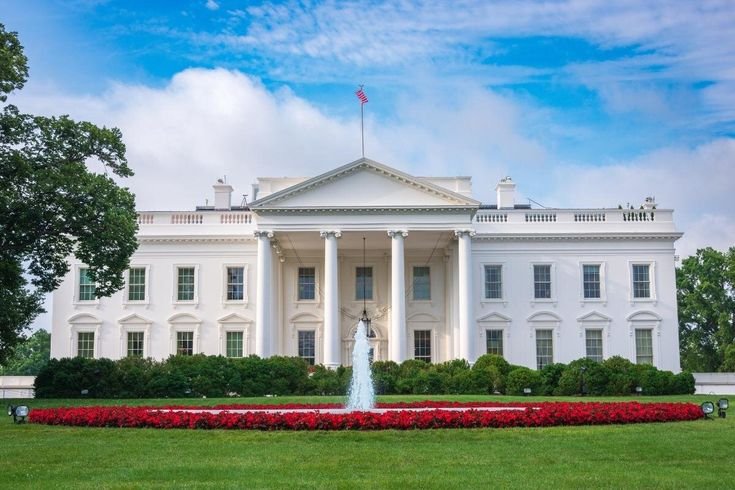
A partial government shutdown occurs when Congress fails to pass funding bills for some federal agencies before the budget deadline. Unlike a full shutdown, which halts most government operations, a partial shutdown affects only certain departments while others continue to function under existing appropriations. These shutdowns reflect political disagreements over spending priorities, immigration, national security, and domestic programs. Understanding how a partial shutdown works helps citizens, workers, and businesses prepare for its consequences.
What Is a Partial Government Shutdown?
A partial government shutdown happens when Congress approves funding for some federal agencies but not for others. Agencies without approved budgets must stop nonessential operations. Essential services such as national defense, border protection, and air traffic control continue to operate, but employees in those areas may work without pay until Congress restores funding.
Congress controls federal spending through annual appropriations bills. When lawmakers miss the deadline and fail to pass temporary funding measures known as continuing resolutions, agencies lose legal authority to spend money. This breakdown triggers the shutdown.
Political disputes usually drive these failures. Lawmakers clash over how much money to allocate and which policies to attach to spending bills. Immigration enforcement, healthcare funding, and disaster relief often appear at the center of these debates.
Which Agencies Shut Down?
A partial shutdown does not affect every federal department. Agencies that rely on annual appropriations and lack emergency funding must pause many operations. These often include:
-
Department of Homeland Security (nonessential services)
-
Department of Justice (certain administrative functions)
-
Department of Housing and Urban Development
-
Environmental Protection Agency
-
Department of Agriculture (some programs)
Agencies such as the Department of Defense, Social Security Administration, and Postal Service usually continue operations because they receive full-year or mandatory funding.
National parks and museums may close or operate with reduced staff. Research programs, grant processing, and regulatory reviews often slow or stop entirely.
Impact on Federal Workers
Federal employees face the most immediate consequences. During a partial shutdown, agencies classify workers as either “essential” or “nonessential.”
Essential employees must report to work even without pay. These workers include law enforcement officers, military personnel, and air traffic controllers. Nonessential employees stay home on unpaid furlough.
Congress usually approves back pay once the shutdown ends, but workers still face uncertainty and financial stress during the closure. Many employees rely on savings or short-term loans to cover rent, food, and utilities.
Contract workers suffer even more. Contractors do not receive guaranteed back pay, and many lose income permanently for each day their offices remain closed.
Effects on Public Services
A partial shutdown disrupts many services that citizens depend on. These include:
-
Delays in passport and visa processing
-
Slower tax refund reviews and IRS operations
-
Reduced food safety inspections
-
Paused housing assistance approvals
-
Limited environmental and workplace safety enforcement
Air travel usually continues, but airport security can suffer staffing shortages. Long lines and flight delays may increase when Transportation Security Administration workers call in sick or quit due to unpaid labor.
Veterans’ services, healthcare programs, and disaster relief efforts may continue but often face staffing limits that reduce efficiency.
Economic Consequences
A shutdown sends shockwaves through the economy. Federal workers spend less money in local communities. Restaurants, childcare centers, and retail stores near government offices often lose business.
Financial markets react to shutdown news with volatility. Investors view shutdowns as signs of political instability and weak governance. Prolonged shutdowns can lower consumer confidence and slow economic growth.
The Congressional Budget Office has estimated that previous shutdowns shaved billions of dollars from the U.S. economy. Even short shutdowns create costs because agencies must restart operations, reprocess paperwork, and rehire temporary workers.
Political Causes
Partial shutdowns rarely happen by accident. Political leaders use budget deadlines as leverage to force policy concessions. Lawmakers attach controversial demands to spending bills, such as border security funding or cuts to social programs.
The division between the House and Senate often complicates negotiations. One chamber may pass a funding bill that the other chamber refuses to accept. Party leaders then struggle to unite their members behind a compromise.
Public opinion usually turns against Congress during shutdowns. Polls consistently show that Americans blame lawmakers rather than federal workers. Still, political factions often continue to push their agendas despite the backlash.
How Long Do Shutdowns Last?
The length of a partial shutdown depends on how quickly lawmakers reach a deal. Some shutdowns last only a few days. Others stretch into weeks.
Negotiations often intensify after economic pressure mounts. Media coverage highlights worker hardships and service disruptions. Business groups and state governments urge Congress to act. Eventually, leaders craft a temporary funding package or a full budget agreement.
Short-term solutions remain common. Congress frequently passes continuing resolutions that fund agencies for weeks or months instead of a full year. This pattern creates repeated crises and ongoing uncertainty.
What Citizens Should Know
For most Americans, a partial shutdown creates inconvenience rather than total disruption. Social Security checks, Medicare benefits, and military pay usually continue. However, people who need passports, loans, housing assistance, or federal permits may face long delays.
Small business owners who rely on federal contracts or grants often experience financial strain. Farmers may wait longer for subsidies or inspections. Researchers may lose access to government laboratories and data systems.
Citizens should monitor official government announcements during shutdowns. Agencies publish lists of which services continue and which pause operations.
Why Shutdowns Keep Happening
The U.S. budget process encourages conflict. Congress must pass twelve separate appropriations bills each year. Political polarization makes compromise harder. Lawmakers often prefer short-term political victories over long-term stability.
Some politicians view shutdowns as tools to energize their voter base. Others fear primary challenges if they support bipartisan deals. This environment rewards confrontation rather than cooperation.
Without reform, shutdowns will likely continue. Proposals to prevent them include automatic continuing resolutions, penalties for lawmakers, and long-term budget agreements. None of these ideas have gained enough support to become law.
The Bigger Picture
A partial government shutdown reveals deeper problems in American governance. It shows how partisan divisions can disrupt basic operations of the state. It also highlights the vulnerability of federal workers and public services to political conflict.
While shutdowns rarely threaten national survival, they damage trust in institutions. Citizens expect stability from their government. Repeated shutdowns undermine confidence in Congress and weaken America’s global reputation.
The solution requires political will. Leaders must prioritize governing over grandstanding. Until that happens, the risk of another shutdown will remain part of the American political cycle.
Conclusion
A partial government shutdown in the United States interrupts federal services, harms workers, and slows the economy. It happens when Congress fails to agree on funding and uses the budget as a political weapon. Essential services continue, but many programs stop or slow down. Federal employees face unpaid work or furloughs, and communities feel the economic ripple effects.
Understanding how shutdowns work helps citizens prepare for their consequences and recognize the importance of responsible budgeting. Until Congress reforms its approach to spending and compromise, partial government shutdowns will remain a recurring feature of American politics.
Also Read – Fake Crypto Wallet Apps Draining User Funds