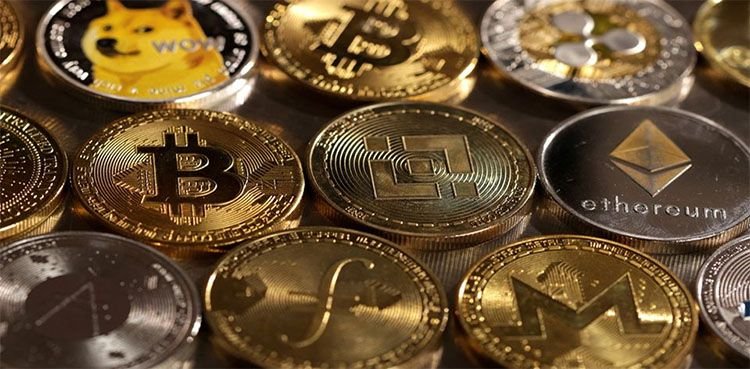
Major altcoins recorded significant losses during the past week, with several leading assets declining between 5% and 9%. This downturn reflected growing uncertainty in the crypto market and highlighted the vulnerability of alternative cryptocurrencies during periods of volatility.
Assets such as Ethereum, Solana, BNB, and XRP led the decline among top-tier altcoins. Traders reduced exposure as bearish sentiment strengthened, which caused prices to fall steadily throughout the week.
Selling Pressure Builds Across Key Assets
Altcoins faced persistent selling pressure as traders reacted to broader market signals. The decline in Bitcoin influenced the entire market, but altcoins experienced sharper drops due to their higher volatility.
Investors often treat altcoins as riskier assets compared to Bitcoin. When uncertainty increases, traders move capital out of altcoins first. This behavior amplifies price declines and accelerates downward momentum.
Many traders exited positions to secure profits from earlier gains or to limit losses. This wave of selling created a continuous downward trend across multiple assets.
Ethereum Struggles to Maintain Support
Ethereum, the second-largest cryptocurrency by market capitalization, showed clear signs of weakness. The asset failed to maintain key support levels, which signaled reduced buying interest.
Developers and long-term investors continue to support Ethereum’s ecosystem, but short-term traders focused on price action rather than fundamentals. This shift contributed to the decline.
Lower trading volume during key recovery attempts also indicated hesitation among buyers. Without strong demand, Ethereum could not regain upward momentum.
Solana and High-Growth Chains Face Sharp Declines
Solana and other high-growth blockchain platforms recorded some of the steepest losses. These assets often attract speculative interest due to their rapid growth potential, but they also face higher risk during market downturns.
Traders who previously invested in these ecosystems for quick gains began to exit positions. This behavior increased volatility and pushed prices lower.
Despite strong technological foundations, short-term sentiment dominated trading decisions. Market participants prioritized capital preservation over long-term growth prospects.
BNB and Exchange Tokens Under Pressure
Exchange-based tokens such as BNB also experienced notable declines. These tokens typically benefit from strong trading activity, but reduced market participation affected their performance.
Lower trading volumes across exchanges reduced demand for these tokens. As a result, prices declined alongside the broader market.
Investors also showed caution toward centralized platforms due to regulatory uncertainty. This factor added another layer of pressure on exchange-related assets.
XRP Reflects Market-Wide Weakness
XRP mirrored the overall market trend and recorded weekly losses within the same range. The asset’s price movement aligned closely with broader sentiment rather than asset-specific developments.
Traders often use XRP as a liquidity vehicle, which makes it sensitive to market-wide shifts. When sentiment weakens, liquidity-driven assets tend to decline quickly.
The lack of strong bullish catalysts during the week also limited recovery attempts. Without positive momentum, XRP followed the downward trajectory of the market.
Market Sentiment Turns Cautious
Investor sentiment shifted toward caution as losses accumulated. Traders reduced risk exposure and avoided aggressive positions. This change in behavior contributed to reduced buying activity.
Fear and uncertainty influenced decision-making across the market. Many participants chose to hold stable assets or remain on the sidelines rather than engage in volatile trading.
This cautious approach created a self-reinforcing cycle. Lower demand led to further price declines, which strengthened bearish sentiment.
Correlation With Bitcoin Remains Strong
Altcoins maintained a strong correlation with Bitcoin throughout the week. When Bitcoin declined, altcoins followed with larger percentage losses. This pattern reflects the hierarchical structure of the crypto market.
Bitcoin acts as the primary market driver. Its movements set the tone for the entire ecosystem. Altcoins amplify these movements due to their smaller market capitalizations and higher volatility.
Traders closely monitor Bitcoin’s performance to anticipate altcoin trends. A stable or rising Bitcoin often supports altcoin recovery, while continued weakness leads to further declines.
Liquidity and Volume Decline
Trading volume decreased across major altcoins during the downturn. Lower liquidity made it easier for prices to move sharply in response to selling pressure.
Thin order books created an environment where even moderate sell orders caused significant price drops. This condition increased volatility and made the market less predictable.
Reduced participation from both retail and institutional traders contributed to this trend. Many investors chose to wait for clearer signals before re-entering the market.
Opportunities Amid the Downturn
Despite the negative trend, some traders view the decline as an opportunity. Lower prices allow long-term investors to accumulate assets at discounted levels.
Market corrections often create entry points for those who believe in the long-term potential of altcoins. However, successful accumulation requires careful analysis and patience.
Traders must differentiate between temporary declines and structural weaknesses. Not all altcoins will recover at the same pace, and some may struggle to regain previous highs.
Risk Management Becomes Essential
The recent losses highlight the importance of risk management. Traders who diversified portfolios and avoided excessive leverage experienced smaller losses.
Setting stop-loss levels and managing position sizes can help reduce exposure during volatile periods. These strategies allow traders to navigate uncertainty more effectively.
Education and discipline play critical roles in long-term success. Traders who understand market dynamics can make informed decisions even during downturns.
What Lies Ahead for Altcoins
The near-term outlook for altcoins depends heavily on overall market conditions. If Bitcoin stabilizes, altcoins could recover gradually. However, continued uncertainty may prolong the current downturn.
Developments in technology, regulation, and adoption will also influence future performance. Strong fundamentals can support recovery once market sentiment improves.
Traders now watch key levels and market signals closely. A shift in sentiment could trigger renewed interest in altcoins, but caution will likely persist in the short term.
Conclusion: A Challenging Week for Altcoins
The past week presented significant challenges for altcoins as prices declined across the board. Selling pressure, weak sentiment, and broader market uncertainty drove losses between 5% and 9%.
This period underscores the volatile nature of altcoins and the importance of strategic decision-making. Traders must remain vigilant and adaptable to navigate changing conditions.
While the current trend appears bearish, the crypto market has shown resilience in the past. Future recovery will depend on confidence, stability, and renewed demand across the ecosystem.
Also Read – How Dividend Yield Is Calculated