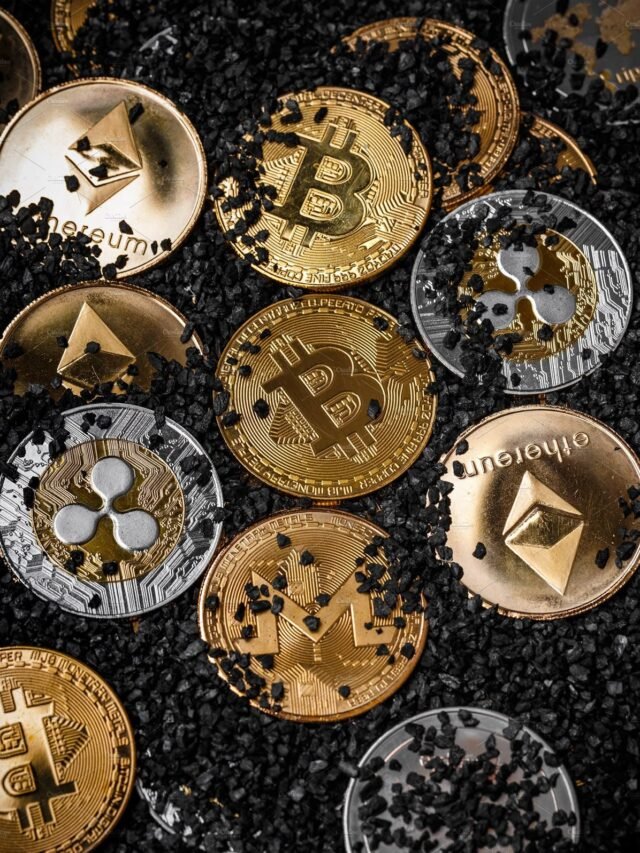
Bitcoin has regained strength and stabilized above the $65,000 mark, marking a significant moment in the crypto market. After months of downward pressure and uncertainty, Bitcoin has delivered its first monthly gain in five months.
This recovery signals a shift in sentiment. Investors have started to rebuild confidence, and market activity has picked up across both retail and institutional segments. Bitcoin’s performance often sets the tone for the entire crypto ecosystem, so this rebound carries broader implications.
A Strong Comeback After Months of Decline
Bitcoin faced consistent selling pressure over the past several months. Prices declined as macroeconomic uncertainty, regulatory concerns, and profit-taking influenced investor behavior.
However, March 2026 brought a turning point. Bitcoin reversed its trend and moved upward steadily. The price crossed $65,000 and maintained stability at that level.
This recovery did not happen overnight. Buyers entered the market gradually, building momentum through sustained demand. The shift reflected a change in perception, where investors began to see value instead of risk.
First Monthly Gain in Five Months
Bitcoin’s recent performance stands out because it broke a prolonged period of negative returns. The asset posted its first monthly gain in five months, which signals renewed strength.
This milestone matters for several reasons:
- It confirms a reversal in trend
- It boosts investor confidence
- It attracts fresh capital into the market
Positive monthly performance often influences long-term sentiment. Investors use these signals to adjust strategies and increase exposure.
Key Drivers Behind the Recovery
Several factors have contributed to Bitcoin’s rebound.
Institutional Buying Activity
Institutional investors have returned to the market. Many firms increased allocations to Bitcoin, especially through ETFs and structured products.
Improved Market Sentiment
Market sentiment has shifted from fear to cautious optimism. Investors now focus on long-term growth rather than short-term volatility.
Technical Support Levels
Bitcoin found strong support at lower price levels. Buyers defended these levels, which prevented further declines and enabled a rebound.
Broader Market Stability
Global financial markets have shown signs of stability. This environment encourages investors to take calculated risks, including crypto investments.
Role of Institutional Investors
Institutional participation has played a crucial role in Bitcoin’s recovery. Large investors bring capital, discipline, and long-term perspectives.
These investors do not react impulsively to short-term fluctuations. Instead, they focus on long-term trends and strategic positioning. Their involvement reduces extreme volatility and strengthens market structure.
Institutional demand has also increased through Bitcoin ETFs. These products allow investors to gain exposure without directly holding the asset, which simplifies participation.
Market Sentiment and Investor Behavior
Investor behavior has evolved significantly. Earlier market cycles saw panic selling during downturns. This time, many investors chose to accumulate Bitcoin during price dips.
This shift reflects growing maturity in the market. Participants now understand volatility as a natural part of crypto investing. They use corrections as opportunities rather than reasons to exit.
Positive sentiment has started to build again. As Bitcoin stabilizes above $65K, more investors feel confident entering the market.
Impact on the Broader Crypto Market
Bitcoin’s recovery has influenced the entire crypto ecosystem. When Bitcoin gains strength, other cryptocurrencies often follow.
Altcoins have also shown signs of recovery, supported by improved sentiment and increased liquidity. The market as a whole has become more active, with higher trading volumes and renewed interest.
Bitcoin’s dominance remains strong. Its performance continues to guide market direction and investor confidence.
Resistance Levels and Future Price Movement
Bitcoin now faces key resistance levels that will determine its next move. Sustained momentum could push prices higher, while resistance could slow progress.
Traders and analysts closely monitor these levels to assess market direction. Breakouts above resistance often lead to further gains, while rejections can trigger short-term corrections.
Bitcoin’s ability to hold above $65K will play a critical role. Stability at this level strengthens bullish sentiment and supports further growth.
Risks and Challenges Ahead
Despite the recovery, risks remain.
Market Volatility
Bitcoin still experiences price fluctuations. Sudden changes in sentiment can lead to sharp movements.
Regulatory Developments
Governments continue to refine crypto regulations. New policies could influence market dynamics.
Macroeconomic Factors
Global economic conditions, including interest rates and inflation, affect investment decisions. These factors can impact crypto markets.
Investors must remain cautious and informed while navigating these uncertainties.
Long-Term Outlook
Bitcoin’s recent performance suggests a positive long-term outlook. The asset continues to gain acceptance as a store of value and an investment vehicle.
Institutional adoption, technological advancements, and growing awareness all support future growth. Bitcoin has established itself as a key component of modern finance.
The stabilization above $65K may serve as a foundation for further expansion. Continued demand could drive prices higher over time.
Conclusion
Bitcoin has demonstrated resilience by stabilizing above $65,000 and posting its first monthly gain in five months. This recovery reflects renewed confidence, stronger institutional participation, and evolving investor behavior.
The market has entered a new phase where maturity and strategy play a greater role. Bitcoin continues to lead the crypto space and influence broader market trends.
While challenges remain, the recent rebound signals strength and potential for continued growth. Bitcoin’s journey remains dynamic, but its role in global finance continues to expand.
Also Read – Why Traders Love High Beta Stocks