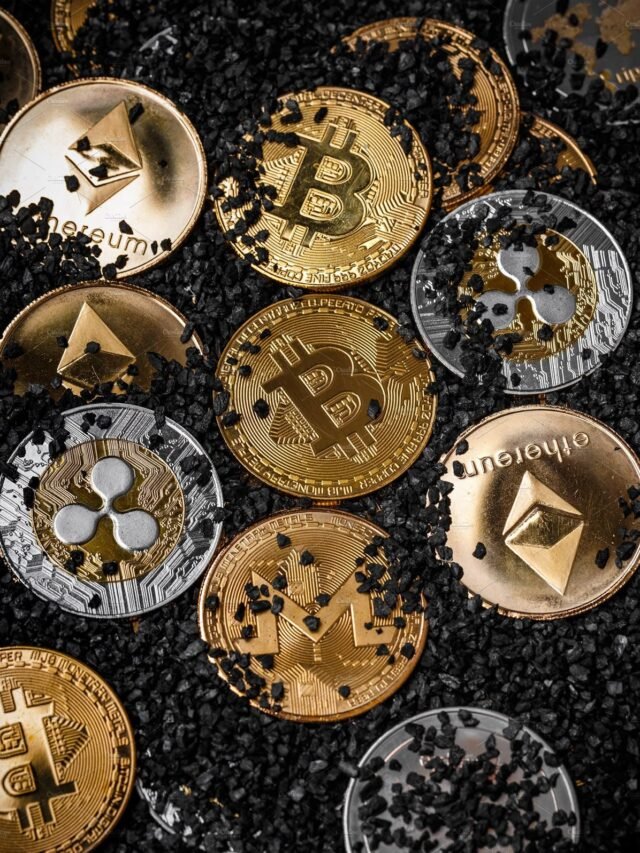
Europe has started a decisive move to reshape the global crypto landscape. France now leads a push for euro-backed stablecoins, aiming to reduce the overwhelming dominance of the US dollar in digital assets. Policymakers want stronger monetary sovereignty, deeper financial innovation, and greater control over digital payments. This shift signals a broader ambition: Europe wants to compete, not follow, in the evolving world of crypto finance.
Why Europe Targets Dollar Dominance
The US dollar dominates both traditional finance and crypto markets. Most stablecoins, including USDT and USDC, rely on dollar backing. Traders, institutions, and DeFi platforms depend heavily on dollar liquidity. This dominance gives the United States significant influence over global financial flows.
European leaders see risk in this imbalance. They worry about overdependence on US-based systems, especially during geopolitical tensions or regulatory disputes. By promoting euro-backed stablecoins, Europe aims to build a parallel system that offers resilience and independence.
France has taken a strong stance. Officials believe Europe must act quickly to avoid falling behind. They argue that euro stablecoins can strengthen the euro’s global role while supporting innovation within the European Union.
What Are Euro-Pegged Stablecoins?
Euro-pegged stablecoins represent digital tokens tied to the value of the euro. Issuers back these tokens with euro reserves or equivalent assets. Users can trade, transfer, and store them on blockchain networks just like other cryptocurrencies.
These stablecoins offer price stability, which attracts traders and businesses. They reduce volatility compared to traditional cryptocurrencies like Bitcoin or Ethereum. This stability makes them suitable for payments, remittances, and decentralized finance applications.
However, euro stablecoins still lag far behind their dollar counterparts. Liquidity remains limited, and adoption has grown slowly. Europe now wants to change that trajectory.
France’s Leadership Role
France has emerged as a key driver behind this initiative. Government officials have called on banks, fintech firms, and crypto companies to accelerate development of euro-backed stablecoins. They want stronger collaboration between regulators and private players.
French policymakers emphasize urgency. They believe Europe must not rely on foreign-issued stablecoins for critical financial infrastructure. Instead, they encourage domestic solutions that align with European regulations and values.
France also benefits from a relatively progressive stance on crypto regulation. The country has already attracted several blockchain startups and digital asset firms. This environment positions France as a natural leader in Europe’s crypto strategy.
Regulatory Support and MiCA Framework
Europe already has a regulatory foundation that supports this push. The Markets in Crypto-Assets (MiCA) framework provides clear rules for crypto operations across the EU. This framework gives businesses legal certainty, which encourages innovation.
MiCA sets standards for stablecoin issuance, reserve management, and consumer protection. It ensures transparency and reduces systemic risks. These safeguards make euro stablecoins more attractive to institutions and users.
Regulators want to balance innovation with stability. They aim to create a safe environment without stifling growth. This approach could give Europe a competitive edge over regions with unclear or restrictive policies.
Opportunities for Banks and Fintech Firms
European banks and fintech companies now face a major opportunity. They can enter the stablecoin market and build new revenue streams. By issuing euro-backed tokens, they can expand their role in digital finance.
Banks can integrate stablecoins into payment systems, cross-border transfers, and settlement processes. Fintech firms can develop user-friendly platforms that bring stablecoins to everyday consumers. Together, they can create a robust ecosystem that supports widespread adoption.
This shift also encourages innovation in decentralized finance. Euro stablecoins can power lending platforms, liquidity pools, and tokenized assets within the European market.
Challenges That Europe Must Overcome
Despite strong momentum, several challenges remain. Adoption will not happen overnight. Dollar stablecoins already dominate global liquidity, and switching costs can discourage users.
Europe must build trust, liquidity, and usability. Issuers need strong reserve backing and transparent operations. Exchanges must list euro stablecoins and provide deep trading pairs. Developers must integrate them into DeFi platforms.
Competition also plays a role. US-based stablecoins benefit from network effects and global recognition. Europe must offer compelling advantages to attract users away from established options.
Impact on Global Crypto Markets
Europe’s push could reshape the global crypto ecosystem. If euro stablecoins gain traction, they could diversify liquidity across markets. Traders might use both euro and dollar stablecoins depending on regional needs.
This shift could reduce systemic risk by spreading reliance across multiple currencies. It could also increase competition, which may lead to better products and lower costs for users.
In the long term, a multipolar stablecoin system could emerge. Instead of one dominant currency, several regional stablecoins could coexist and serve different markets.
Strategic Importance for Europe
This initiative goes beyond crypto. It reflects Europe’s broader goal of digital sovereignty. Leaders want control over financial infrastructure in an increasingly digital world.
Stablecoins represent a critical layer of that infrastructure. They connect traditional finance with blockchain systems. By strengthening this layer, Europe can enhance its economic resilience and global influence.
The push also aligns with efforts to develop a digital euro. While central bank digital currencies (CBDCs) follow a different model, both initiatives support Europe’s digital transformation.
What Comes Next
Europe now stands at a turning point. Policymakers, banks, and tech firms must act quickly to turn ambition into reality. They need coordinated efforts, strong execution, and continuous innovation.
If Europe succeeds, euro stablecoins could become a powerful force in global finance. They could challenge dollar dominance, support economic independence, and drive the next wave of crypto adoption.
The coming years will determine whether Europe can translate vision into leadership. The groundwork has already been laid. Now, execution will decide the outcome.
Conclusion
Europe’s push for euro-backed stablecoins marks a significant moment in the evolution of digital finance. France has taken the lead, but the entire European Union stands to benefit. By reducing reliance on the dollar and fostering innovation, Europe aims to secure a stronger position in the global crypto economy.
Success will require persistence, collaboration, and strategic clarity. The opportunity exists, but competition remains intense. If Europe delivers, it could redefine the balance of power in the crypto world.
Also Read – AI + Crypto = The Next Trillion-Dollar Industry?