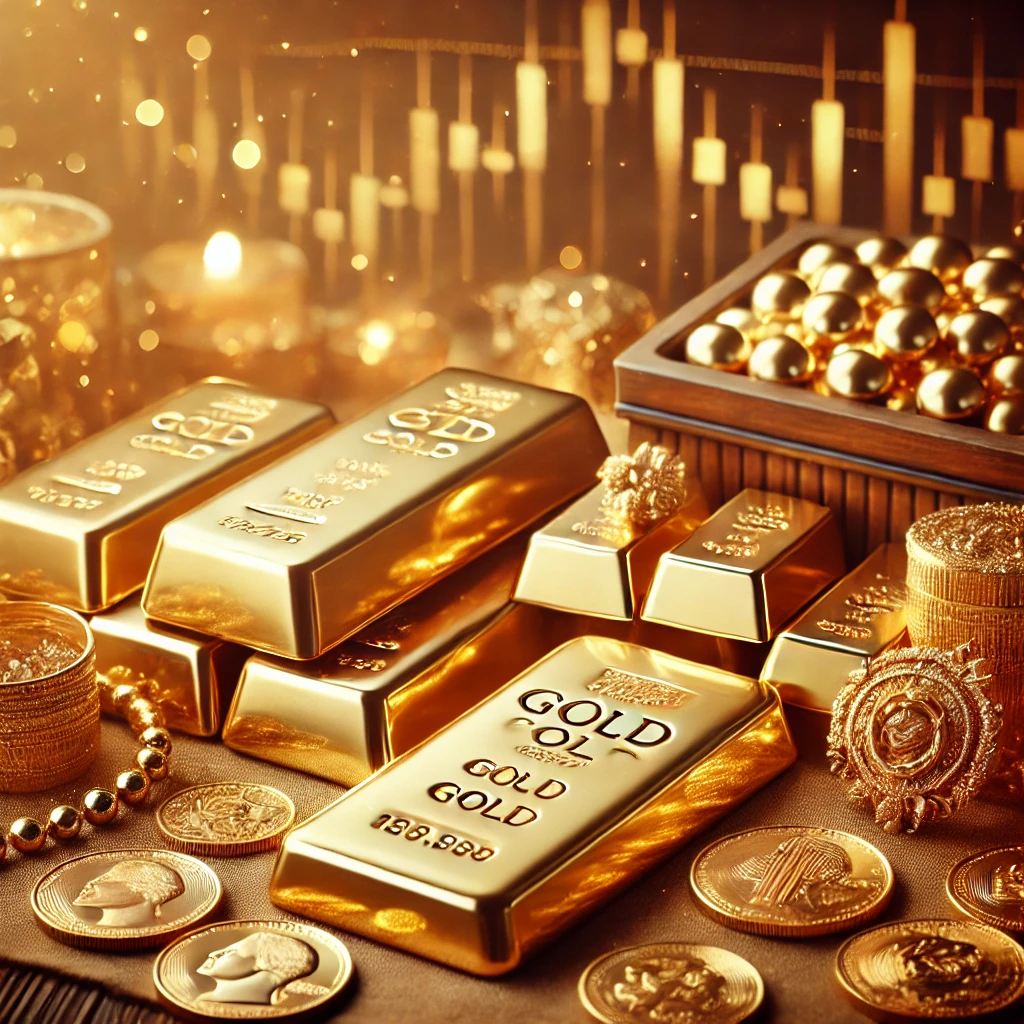
Gold prices remained steady on April 27, 2026, as investors reacted to ongoing geopolitical tensions between the United States and Iran. The market reflected caution rather than panic, with traders carefully evaluating each development before making decisive moves. This stability followed a period of sharp volatility, where gold prices experienced rapid gains and sudden pullbacks.
Investors now face a complex mix of signals. On one hand, geopolitical risks support gold’s safe-haven appeal. On the other, a strong US dollar and rising interest rate expectations limit its upside. This push-and-pull dynamic defines the current gold market.
US-Iran Tensions Shape Market Direction
The stalled negotiations between the United States and Iran have created a layer of uncertainty across global markets. Traders closely monitor every update related to these talks because geopolitical risks often trigger safe-haven demand. Gold benefits directly from such situations, as investors shift capital away from riskier assets like equities.
However, the situation has not escalated into a full-blown crisis. This lack of escalation explains why gold prices have not surged aggressively. Instead, they have stabilized within a narrow range. Investors appear cautious but not alarmed.
Market participants continue to price in the possibility of further tensions. Any sudden escalation could push gold sharply higher. Conversely, a breakthrough in negotiations could weaken demand for gold and drive prices lower.
Strong Dollar Limits Gold’s Upside
The US dollar has shown strength in recent sessions, and that strength has placed pressure on gold prices. A stronger dollar makes gold more expensive for international buyers, which reduces demand. This inverse relationship between gold and the dollar remains one of the most important drivers in the commodity market.
Traders now focus on US economic data and Federal Reserve signals. Strong economic performance supports the dollar and weighs on gold. Weak data could weaken the dollar and give gold a boost.
Currency movements often act faster than geopolitical developments. For this reason, gold traders keep a close watch on dollar trends alongside global tensions.
Interest Rate Expectations Create Headwinds
Interest rate expectations have emerged as another key factor influencing gold prices. Central banks, particularly the US Federal Reserve, continue to signal caution on inflation. Rising oil prices and strong economic indicators have increased the likelihood of prolonged higher interest rates.
Higher interest rates reduce the appeal of gold because the metal does not offer any yield. Investors prefer assets that generate returns, such as bonds, when interest rates rise. This shift in preference limits gold’s ability to rally strongly.
Despite this pressure, gold has managed to hold its ground. This resilience suggests that geopolitical concerns still provide strong underlying support.
Inflation Fears Offer Long-Term Support
Inflation concerns continue to play a crucial role in shaping gold’s outlook. Rising commodity prices, especially crude oil, have fueled fears of persistent inflation. Gold often acts as a hedge against inflation, which makes it attractive during such periods.
Investors do not react to inflation in isolation. They consider how central banks respond to inflation. If central banks tighten policy aggressively, gold may struggle. If inflation rises faster than policy tightening, gold could gain strength.
This balance keeps the market in a state of uncertainty. Traders wait for clearer signals before committing to large positions.
Market Sentiment Remains Cautious
The overall sentiment in the gold market reflects caution rather than conviction. Traders avoid aggressive bets because multiple conflicting factors influence prices.
Short-term traders focus on technical levels and daily news flow. Long-term investors continue to hold gold as a hedge against geopolitical and economic risks. This combination creates a stable but range-bound market environment.
Volatility has not disappeared, but it has become more controlled. Price swings now depend heavily on news updates rather than broad market trends.
Key Price Levels to Watch
Gold currently trades within a defined range, with strong support and resistance levels guiding market movements. Support levels provide a safety net during declines, while resistance levels cap upward moves.
If geopolitical tensions escalate, gold could break above resistance and enter a new rally phase. If the dollar strengthens further or interest rates rise sharply, prices could test lower support levels.
Traders rely on these levels to make short-term decisions. Long-term investors, however, focus more on macroeconomic trends and geopolitical risks.
What Lies Ahead for Gold Prices
The outlook for gold remains uncertain but intriguing. Several factors will determine the next major move:
- Developments in US-Iran relations
- Federal Reserve policy decisions
- US dollar strength
- Inflation trends and commodity prices
Each of these elements carries significant weight. A shift in any one of them could trigger a strong price movement.
In the near term, gold may continue to trade within a narrow range as investors wait for clearer direction. In the long term, persistent geopolitical risks and inflation concerns could support higher prices.
Conclusion
Gold prices have entered a phase of stability after recent volatility, but this calm rests on fragile foundations. Geopolitical tensions, particularly between the United States and Iran, continue to influence market sentiment. At the same time, a strong dollar and rising interest rate expectations limit the metal’s upside.
Investors now navigate a complex landscape where multiple forces pull gold in different directions. This environment demands caution and close monitoring of global developments.
Gold has not lost its appeal. It continues to serve as a reliable hedge in uncertain times. However, the path forward will depend on how global events unfold in the coming weeks.
Also Read – Top 10 Low-Risk Investments That Actually Work