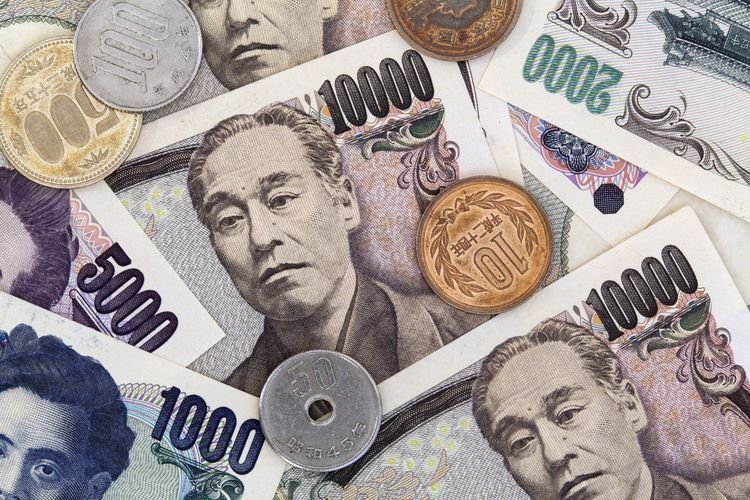
Japan made a bold move in global forex markets on May 1, 2026. Authorities stepped in to support the yen after it plunged to multi-year lows against the US dollar. Traders watched closely as the currency rebounded sharply within hours of suspected intervention. This action signaled urgency from policymakers who faced mounting pressure to stabilize the currency.
The yen had weakened significantly in recent months. A wide interest rate gap between Japan and the United States drove capital outflows. Investors borrowed yen at low rates and invested in higher-yielding assets abroad. This trend created persistent downward pressure on the Japanese currency.
Sharp Yen Decline Triggers Action
The yen crossed a critical psychological level near 160 per dollar before intervention rumors surfaced. Market participants interpreted that level as a red line for Japanese authorities. Once the yen breached that zone, officials acted swiftly.
Currency traders reported sudden, large-scale buying of yen in the market. That buying pushed the currency higher in a short span. Volatility spiked as traders scrambled to adjust positions. Many short positions in the yen closed quickly, which added momentum to the upward move.
This intervention marked one of the strongest signals from Japan in recent years. Authorities showed willingness to act decisively rather than rely only on verbal warnings.
Why the Yen Faced Sustained Pressure
Japan’s monetary policy stance played a central role in the yen’s weakness. The country maintained ultra-low interest rates while other major economies tightened policy to fight inflation. This divergence created a clear incentive for investors to move capital abroad.
The carry trade became one of the most popular strategies in forex markets. Traders borrowed yen at near-zero rates and invested in currencies that offered higher returns. This strategy generated steady profits as long as the yen continued to weaken.
In addition, rising global energy prices worsened Japan’s trade balance. Japan imports most of its energy needs, so higher oil prices increased demand for foreign currencies. That demand added further downward pressure on the yen.
Immediate Market Reaction
The intervention triggered a sharp rebound in the yen. Within hours, the currency gained several percentage points against the dollar. Liquidity conditions tightened as trading volumes surged.
Equity markets in Japan reacted with mixed signals. Export-oriented companies faced pressure because a stronger yen reduces overseas earnings when converted back into local currency. Meanwhile, domestic-focused sectors showed more stability.
Bond markets also reflected shifting expectations. Investors began to reassess the likelihood of future policy changes from Japanese authorities. Some speculated that intervention could signal a broader shift in economic strategy.
Limits of Currency Intervention
Despite the strong initial impact, many analysts remain cautious about long-term effects. Intervention can influence short-term price action, but it rarely changes underlying market trends without policy support.
The fundamental issue lies in interest rate differentials. As long as Japan maintains lower rates compared to other economies, capital will continue to flow outward. This dynamic limits the sustainability of any currency rebound driven solely by intervention.
Traders understand this reality. Many see intervention as an opportunity to reposition rather than a signal of a lasting trend reversal. If policymakers do not adjust monetary policy, the yen could face renewed pressure after the initial boost fades.
Communication Strategy Matters
Japanese officials have relied heavily on verbal intervention in recent months. They issued repeated warnings about excessive currency moves. However, markets often ignored those statements without concrete action.
This time, authorities backed words with action. That shift strengthened credibility in the short term. Traders now recognize that officials may intervene again if volatility rises.
Clear communication will remain crucial. Policymakers must balance the need to deter speculative attacks with the risk of triggering excessive market reactions. Consistency in messaging can help stabilize expectations.
Global Implications of the Move
Japan’s intervention carries broader implications for global forex markets. Large-scale currency actions from a major economy can influence capital flows worldwide. Other central banks monitor such moves closely.
A stronger yen can affect trade dynamics across Asia. Competing export-driven economies may face shifting competitiveness. Currency adjustments in one major economy often ripple across regional markets.
In addition, intervention highlights ongoing tensions in global monetary policy. Diverging strategies among major economies create volatility in exchange rates. These differences will likely persist as countries prioritize domestic economic conditions.
What Traders Should Watch Next
Market participants will focus on several key factors in the coming weeks. First, they will monitor whether Japan conducts additional interventions. Repeated action would signal strong commitment to defending the currency.
Second, traders will track economic data from both Japan and the United States. Inflation trends, growth indicators, and employment data can influence interest rate expectations. These expectations drive currency movements.
Third, any shift in Japan’s monetary policy stance would carry significant weight. Even a small adjustment could alter market dynamics. Investors will look for signals from policymakers regarding future direction.
A Critical Moment for the Yen
Japan’s intervention marks a critical moment in the currency’s recent history. The move demonstrated resolve and temporarily reversed a sharp decline. However, it also highlighted deeper structural challenges.
Sustainable currency strength requires alignment between policy and market forces. Without changes in interest rate dynamics, the yen may struggle to maintain gains over time.
For now, the intervention has reset market sentiment and introduced uncertainty into previously one-sided trades. Traders will remain cautious as they navigate a market shaped by both policy action and economic fundamentals.
Also Read – Why Forex Is Still the World’s Biggest Market