Silver prices saw a massive fall on May 15, 2026. The metal lost nearly 7% in global trade after strong economic data from the United States shook market sentiment. Gold also moved lower, but silver faced much heavier pressure. Traders rushed to sell precious metals as the US dollar gained strength and Treasury yields climbed fast. Fear around inflation and high interest rates added more stress across commodity markets.
The sharp drop surprised many investors because silver showed strong momentum earlier this year. The metal touched fresh highs in recent weeks due to safe-haven demand and industrial use. However, Friday brought a sudden shift in mood as traders focused on fresh economic signals from the US economy.
Silver Falls to Weakest Level in Weeks
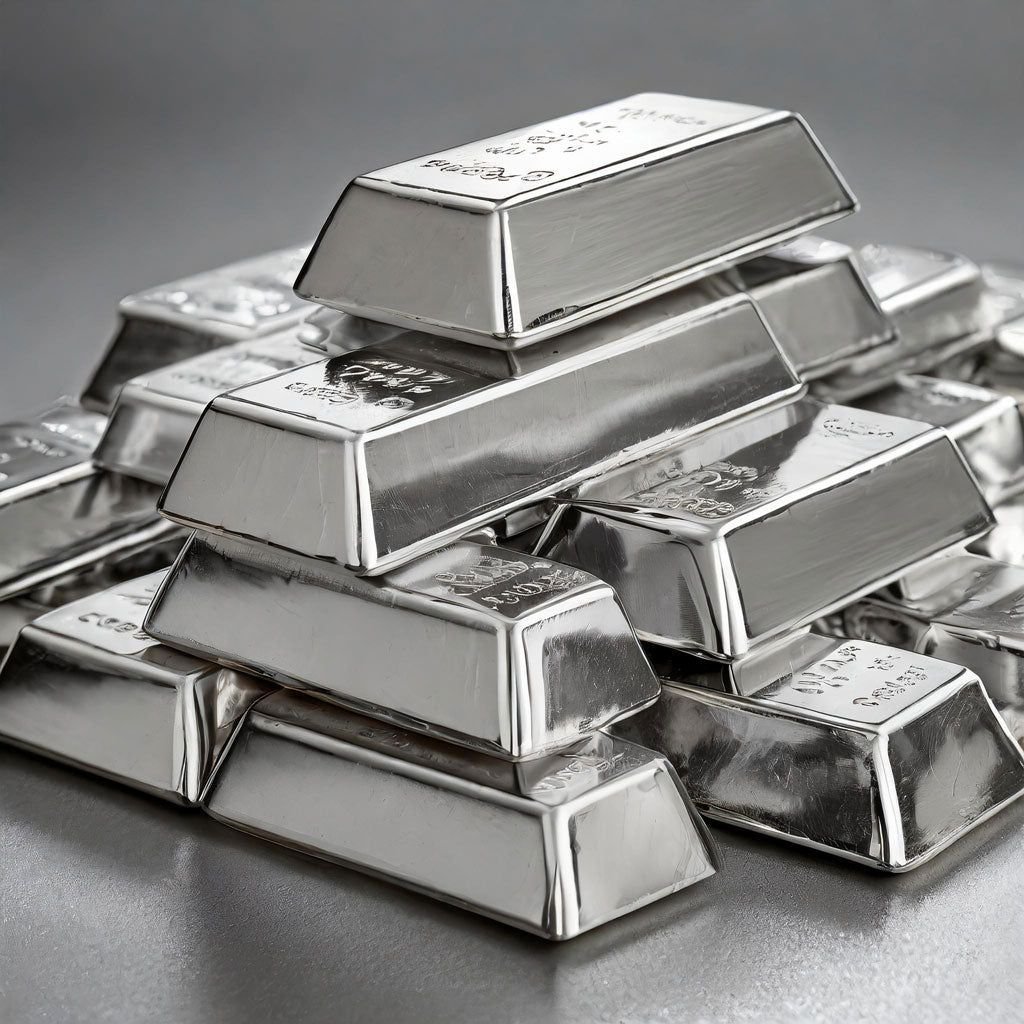
Silver prices dropped near $77 per ounce during Friday trade. The metal lost more than 7% in one session, which marked one of the steepest declines this year. Traders booked profits after recent gains, and fresh selling pressure pushed prices lower through the day.
Gold prices also slipped during the session. Spot gold fell nearly 2% and touched around $4,546 per ounce. Platinum and palladium moved lower as well. The broad decline showed weak confidence across the precious metals sector.
Market experts said silver often shows larger price swings than gold. The metal reacts strongly during both rallies and declines because traders use silver for investment and industrial purposes.
Strong US Data Hurts Precious Metals
Fresh US economic reports created major pressure on silver and gold. Retail sales data came stronger than market expectations. Job numbers also showed strength across the labor market. These reports signaled that the US economy still holds firm despite high interest rates.
Investors now expect the US Federal Reserve to keep rates high for a longer period. Some traders also fear another rate hike later this year. That outlook pushed the US dollar upward and hurt demand for metals like silver and gold.
Higher interest rates usually create problems for precious metals because these assets do not offer fixed returns. Bonds and savings products look more attractive during periods of high rates. Investors often move money away from metals in such situations.
Dollar Gains Strength Across Global Markets
The US dollar gained strong support after the economic data release. A stronger dollar often hurts silver prices because buyers outside the United States must pay more. Demand usually slows when currency costs rise.
The dollar index moved toward one of its best weekly gains in two months. Currency traders reacted quickly to the latest data and shifted money into the US dollar. That move added more pressure on commodity markets.
Silver and gold often move opposite to the dollar. When the dollar rises sharply, metals usually face a decline. Friday followed the same pattern across global trade.
Treasury Yields Add More Pressure
US Treasury yields also climbed fast during the week. The 10-year Treasury yield touched one of the highest levels seen in months. Investors shifted money toward bonds because higher yields offer better returns.
Silver and gold do not provide interest income. Because of this reason, traders often prefer bonds when yields rise sharply. Friday saw a clear shift toward safer income-based assets.
Analysts also linked the rise in yields to fresh inflation fears. Oil prices climbed strongly this week after tension in the Middle East raised concern around energy supply routes. Brent crude moved above $109 per barrel.
Industrial Demand Fears Hit Silver
Silver differs from gold because factories and manufacturers use large amounts of the metal. Solar panels, electronics, electric vehicles, and industrial equipment need silver for production. Because of this link, silver reacts to economic fears more sharply than gold.
Investors now fear that high borrowing costs may slow economic activity in many countries. Expensive loans often reduce factory expansion and consumer spending. That outlook may weaken industrial demand for silver in coming months.
This concern pushed traders toward heavy profit booking after silver’s strong rally earlier this year. Many short-term investors chose to exit positions before further losses.
India Market Also Feels Pressure
Silver prices in India also saw a huge decline on May 15. Domestic silver rates dropped below ₹2.90 lakh per kilogram in many cities. Retail buyers stayed cautious due to high prices and recent import duty changes.
The Indian government recently raised import duties on gold and silver from 6% to 15%. That move reduced buyer interest across jewellery markets. Dealers also offered discounts to attract customers.
India ranks among the world’s largest precious metal consumers. Weak demand from Indian buyers often affects global market sentiment.
Market Eyes Federal Reserve Signals
Traders now watch future comments from the US Federal Reserve closely. Any signal about interest rates may decide the next direction for silver and gold prices. Investors also await fresh inflation reports and oil market updates.
Despite the latest crash, some analysts still expect long-term support for silver because of strong industrial use in clean energy and technology sectors. However, short-term volatility may continue as markets react to economic data and global tension.
Also Read – Carry Trade Returns as G10 Currency Bets Rise Again