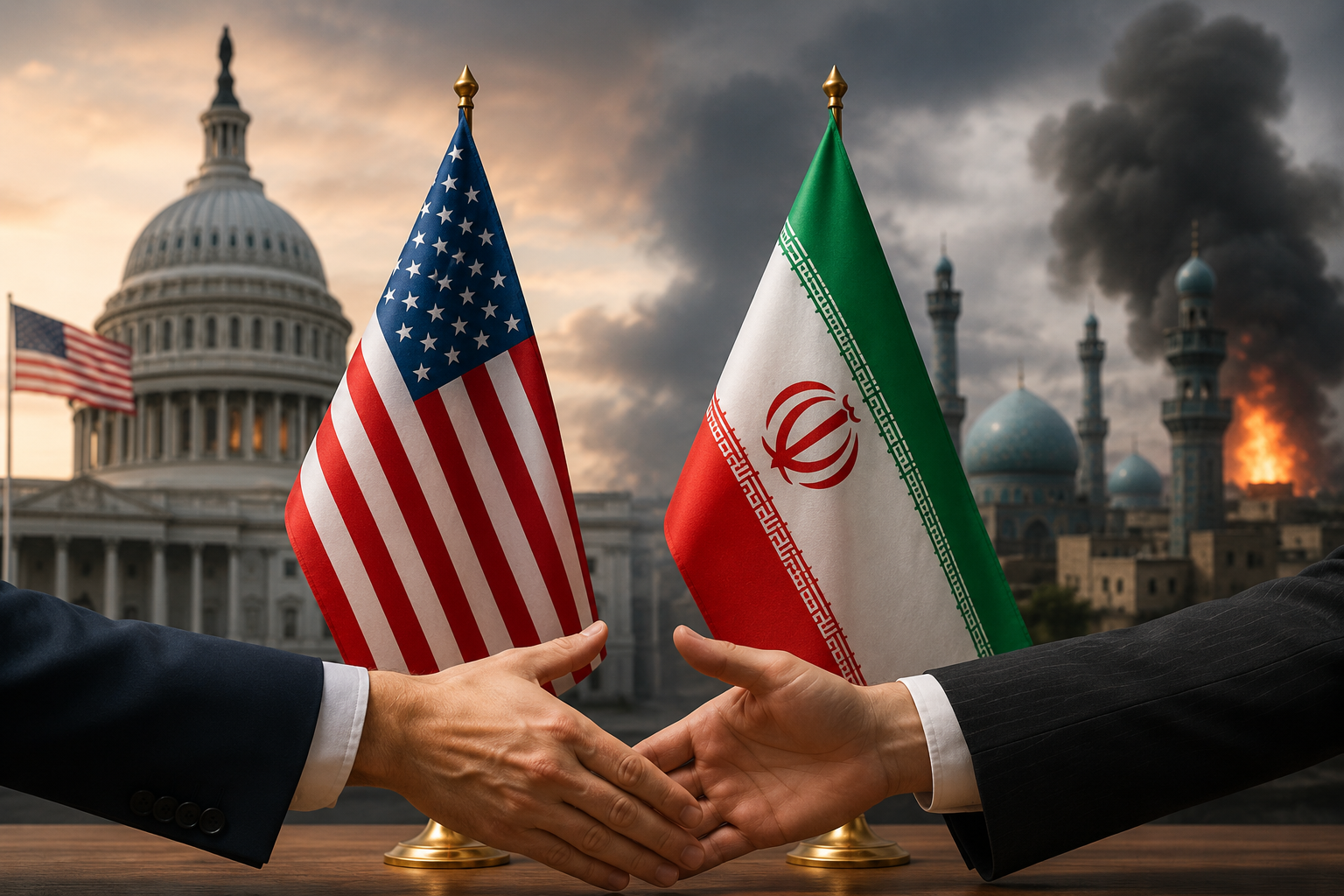
The United States plans to continue technical talks with Iran even after President Donald Trump said the ceasefire had ended. At first, this may sound confusing. One part of the government speaks about military action, while another part continues diplomatic talks. However, this is not unusual during international conflicts. Countries often keep communication open even when relations become tense.
The latest decision shows that the United States does not want to close every door to diplomacy. Even though the fighting has become more serious, officials still believe that discussions can help lower risks and stop the crisis from becoming much worse.
Trump Says the Ceasefire Is Over
President Donald Trump recently announced that the ceasefire had ended. His statement came after fresh violence and new military action. The ceasefire had offered hope that both sides would avoid more conflict. Once the fighting returned, that hope became weaker.
Trump’s statement showed that the United States believes the agreement no longer exists. His comments also reflected a tougher position toward Iran. Even so, the government did not stop every diplomatic effort. Instead, it chose to continue technical discussions.
This approach may appear unusual, but governments often separate military decisions from diplomatic work.
What Are Technical Talks?
Technical talks are different from high-level political meetings. They usually involve diplomats, experts, and government officials who focus on specific subjects instead of broad political debates.
These discussions may cover nuclear safety, sanctions, shipping routes, communication systems, or ways to prevent accidental military clashes. The goal is not always to sign a major agreement. In many cases, the purpose is simply to reduce danger and avoid misunderstandings.
Technical talks also allow both countries to exchange information through official channels. Even when leaders strongly disagree, these meetings can continue.
Why The Talks Still Matter
The United States believes that communication with Iran remains important. When tensions rise, the risk of mistakes also becomes higher. A misunderstanding between military forces could quickly create a much larger conflict.
Technical talks give both sides a way to explain their positions and discuss practical issues. They also help officials understand each other’s actions before they become bigger problems.
Experts often say that communication becomes even more valuable during difficult times because silence can create more uncertainty.
Military Pressure And Diplomacy Together
Many people wonder why the United States would continue talks while also taking a tough military position. The answer is that governments often use more than one strategy at the same time.
Military pressure sends a message that the country is ready to protect its interests. Diplomatic talks, on the other hand, create an opportunity to avoid a larger war. These two approaches may seem opposite, but they often work side by side.
This method allows leaders to respond firmly while still keeping open a path for future agreements.
No New US Strikes For Now
According to US officials, there have been no new American military strikes during the past several hours while technical discussions continue. This does not mean the conflict has ended. Instead, it suggests that the situation remains under close watch.
A pause in military action can create space for communication. Even a short period without new attacks may help officials discuss urgent issues and lower immediate risks.
However, the situation remains uncertain, and events could change quickly.
Focus On Nuclear Issues
One of the main subjects during technical talks is Iran’s nuclear program. This issue has remained a major concern for the United States and many other countries for years.
American officials want to make sure that Iran’s nuclear activities remain peaceful. Iran has repeatedly said that its nuclear program serves civilian purposes. Still, many Western countries continue to watch these activities very closely.
Technical experts can discuss inspection methods, safety measures, and other detailed topics that political leaders usually leave to specialists.
Other Important Topics
The discussions may also include sanctions, shipping security, and regional stability. Sanctions affect Iran’s economy and remain one of the biggest points of disagreement between the two countries.
Shipping security is another important issue because many international trade routes pass through the Middle East. Any disruption in these waters can affect oil supplies and global markets.
Officials may also discuss ways to prevent accidental military encounters, especially in areas where both countries have forces nearby.
Why Diplomacy Does Not Stop
History shows that countries often continue diplomatic contact during wars and serious disputes. Even when leaders exchange harsh words, officials usually maintain some form of communication.
These channels help governments manage emergencies, exchange important messages, and reduce the chance of unexpected escalation.
Without communication, small incidents can become much larger crises because each side may misunderstand the other’s actions or intentions.
For this reason, many governments keep diplomatic channels open until every possible solution has disappeared.
A Difficult Balance
The current US approach reflects a careful balance. On one side, the government wants to show strength after the ceasefire ended. On the other side, it wants to prevent the conflict from spreading across the region.
This balance is not easy to maintain. Every new military event can increase pressure on both governments. At the same time, every successful round of talks may reduce the chance of a wider conflict.
Officials must make decisions based on rapidly changing conditions.
What Could Happen Next
The future depends on actions from both the United States and Iran. If technical talks continue successfully, they could help reduce tensions and create opportunities for broader discussions later.
If violence increases again, diplomatic efforts could become much more difficult. Even then, experts believe communication will remain important because it provides a way to manage risks during dangerous moments.
Much will depend on decisions made in the coming days and weeks.
Conclusion
The United States plans to continue technical talks with Iran despite President Donald Trump’s statement that the ceasefire has ended. This decision shows that diplomacy and military policy can move together during periods of high tension.
Technical talks focus on practical issues such as nuclear safety, sanctions, shipping security, and ways to prevent accidental conflict. They do not represent a major political agreement, but they provide an important channel for communication.
While the future remains uncertain, the continuation of these discussions shows that the United States still sees value in dialogue. Even during difficult times, diplomacy can help reduce risks, prevent misunderstandings, and keep open the possibility of a more stable future.
ALSO READ: TCS Starts Q1 Earnings Season With Strong Revenue Growth