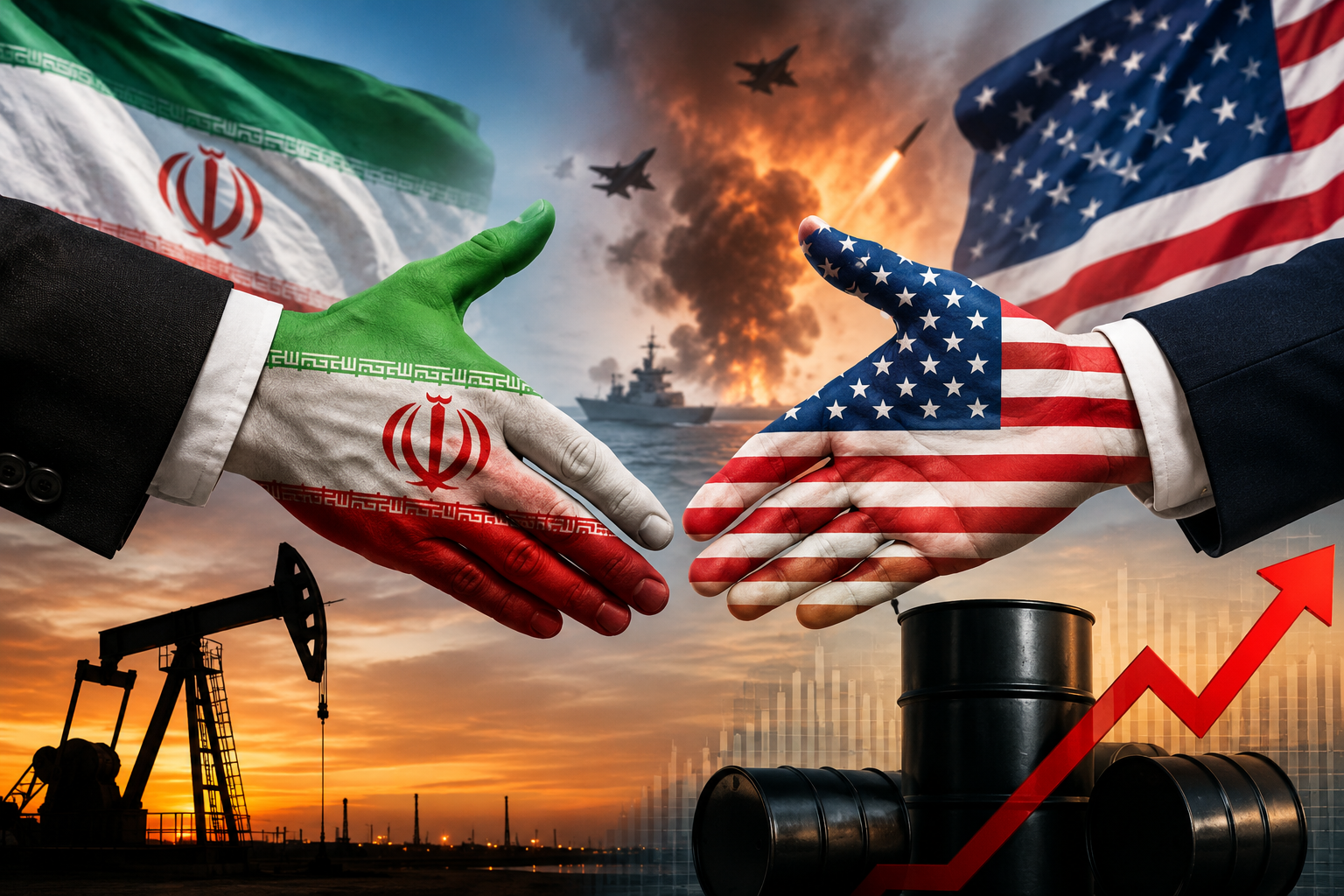
The Middle East once again stands at the center of global attention. Iran has shown interest in a possible deal with the United States even as military action continues in the region. At the same time, oil prices have moved higher because investors worry that the conflict could affect global energy supplies. This mix of diplomacy and conflict has created uncertainty across financial markets and raised fresh questions about the future of the region.
Many countries now watch every new development very closely. A peaceful agreement could reduce tensions and bring more stability. On the other hand, more attacks could create fresh problems for the global economy, especially for countries that depend on imported oil.
Iran Sends a Signal for Talks
Iran has made it clear that it does not completely reject discussions with the United States. Reports suggest that Iranian leaders remain open to negotiations even while military tensions remain high. This shows that both conflict and diplomacy can exist at the same time.
The possible talks could focus on several major issues. These include economic sanctions, Iran’s nuclear program, regional security, and steps that could lower the risk of future conflict. While no final agreement has taken shape, the willingness to continue discussions has given many observers a small reason for hope.
Experts believe that communication between both sides remains important because it helps prevent misunderstandings that could lead to a larger crisis.
Military Action Has Not Stopped
Even though there are signs of possible talks, military action has not ended. Recent reports describe strikes against Iranian military targets and responses from Iran. These events show that the situation remains serious.
The continued exchange of attacks has increased fears across the region. Every new strike raises the chance of another response. This cycle makes it difficult for both sides to build trust.
Many governments have asked all parties to show restraint. They believe that fewer military actions could create a better environment for future negotiations.
Why Oil Prices Have Gone Up
Oil prices have increased because traders worry about possible disruptions to global supplies. Energy markets often react quickly when conflict affects regions that produce or transport large amounts of oil.
One of the biggest concerns involves the Strait of Hormuz. This narrow waterway serves as one of the world’s most important routes for oil shipments. Around one-fifth of global oil trade passes through this area. If transport becomes difficult or unsafe, supplies could fall and prices could rise even more.
Because of this risk, investors closely follow every report that comes from the region.
The Importance of the Strait of Hormuz
The Strait of Hormuz plays a major role in the global energy market. Tankers carry millions of barrels of oil through this route every day. Many countries in Asia, Europe, and other parts of the world depend on these shipments.
Any disruption in this area could affect oil supplies within a short time. Even the possibility of trouble often causes markets to react before any actual shortage appears.
This explains why news from the Gulf region has such a strong effect on oil prices across the world.
How Higher Oil Prices Affect People
Higher oil prices do not only affect energy companies. They also affect ordinary people in many ways. When crude oil becomes more expensive, fuel prices often rise. This can increase transport costs for businesses.
Companies may then charge more for goods and services because their expenses become higher. As a result, families may pay more for food, travel, and many everyday products.
Countries that import large amounts of oil may face additional pressure because they must spend more money on energy.
Financial Markets Stay Careful
Investors do not like uncertainty. The combination of military conflict and possible diplomatic talks has created mixed signals for financial markets.
Some investors hope that successful negotiations could reduce tensions and support economic stability. Others remain worried because fresh attacks could quickly change the situation.
As a result, markets continue to react to every major announcement from government officials and military leaders.
What a Deal Could Mean
A successful agreement between Iran and the United States could bring several positive changes. Lower tensions could reduce fears about oil supplies. This could help oil prices become more stable.
A deal could also improve economic conditions if sanctions become part of future discussions. Better relations may encourage more trade and stronger business confidence.
However, experts also note that negotiations between both countries have always been difficult. Many important issues remain unresolved, so any agreement may require time and careful discussion.
Challenges Remain
Although there are signs of interest in diplomacy, several challenges still stand in the way. Years of political disagreement have created deep mistrust between both sides. Military action also makes negotiations more difficult.
Every new attack creates fresh pressure and makes compromise harder. Leaders on both sides must balance security concerns with political expectations at home.
Because of these challenges, many analysts believe that progress may come slowly rather than through one major breakthrough.
Global Leaders Watch Closely
Governments around the world continue to monitor the situation. Many countries want stability because the conflict affects not only the Middle East but also the global economy.
International leaders have encouraged peaceful dialogue instead of military action. They believe that diplomacy offers the best chance to reduce risks and protect global trade.
Many nations also hope that shipping routes will remain open so that energy supplies continue without major disruption.
What Comes Next
The next few weeks could become very important. Future talks between Iran and the United States may shape the direction of the crisis. At the same time, any new military action could quickly increase tensions again.
Oil markets will likely continue to respond to every major development. Investors, governments, and businesses will watch closely for signs of either progress or further conflict.
For now, the situation remains uncertain. Iran has shown interest in a possible deal with the United States, but military action has not stopped. Oil prices remain higher because markets fear disruptions to global supplies through the Strait of Hormuz. Whether diplomacy succeeds or conflict grows stronger will play a major role in the future of the region and the world economy.
ALSO READ: Oil Above $90 Lifts ONGC and Oil India Shares Fast Today