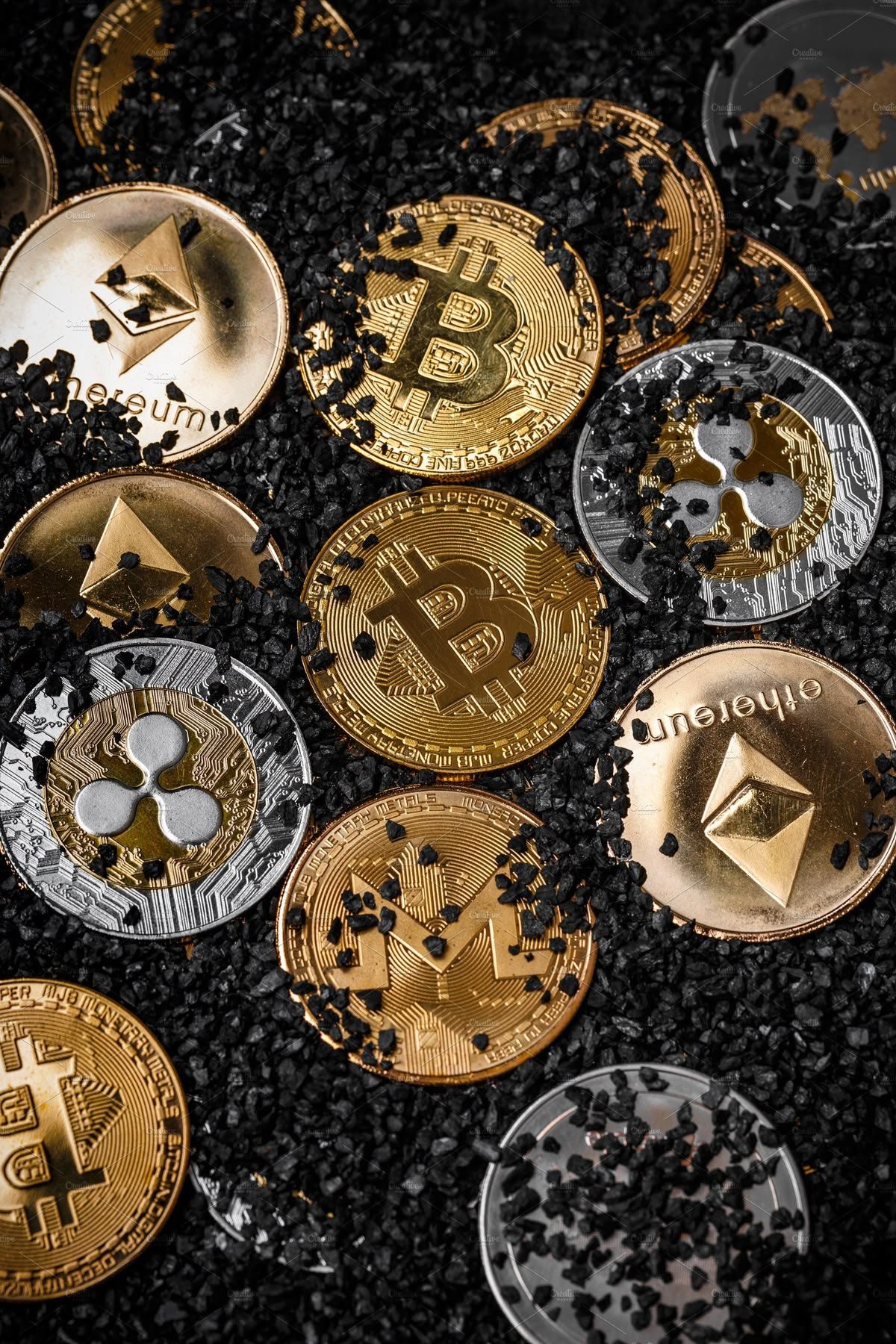
Crypto has changed the idea of what an asset can be. A coin can rise sharply in a few hours, fall just as fast, and trade across borders without a bank at the center. That freedom creates fresh risks that often stay outside the usual talk about price charts and market cycles. Crypto can lose its value fast, and some losses can become permanent. Regulators also warn that crypto assets can carry a serious risk of total loss.
1. Extreme Price Swings
Crypto prices can move far more sharply than many traditional assets. Bitcoin may see a major price change within a short period, while smaller coins can suffer much larger moves. A token can rise on hype and then lose most of that value when interest fades. This makes entry price very important. A strong project can still create a painful loss if the purchase comes near a market peak.
2. Liquidity Can Disappear
A coin may show a market price without having enough real buyers at that price. During a panic, many holders may rush toward the exit at once. Order books can become thin, spreads can widen, and large orders can push the price down sharply. A portfolio may look valuable on a screen but fetch much less cash during a real market shock.
3. Exchange Failure
A crypto exchange can face severe financial trouble, technical problems, legal action, or bankruptcy. In such a case, access to funds may stop for a period or disappear altogether. Legal ownership can also become harder to prove when an exchange controls the private keys. Recent regulatory warnings note that customers may not recover all assets after a crypto platform failure.
4. Wallet Mistakes
Self-custody removes one type of third-party risk but creates another. A lost private key, damaged device, exposed seed phrase, or wrong backup can lock assets away forever. Crypto wallets do not store coins in the same way a bank account stores cash. They store the keys that allow access to assets on a blockchain. A simple security mistake can therefore create a permanent loss.
5. Phishing and Fake Support
Crypto scams often look very real. A fake support account can copy a company logo, use a similar name, and ask for a seed phrase or wallet transfer. A fake website can also copy a real exchange page almost perfectly. Once a victim sends crypto to a scam address, recovery can prove extremely difficult. Regulators continue to warn about fake services, phishing attacks, romance scams, and other forms of crypto fraud.
6. Smart Contract Bugs
Smart contracts can execute transactions without a traditional middleman, but code can contain serious flaws. A single error can allow an attacker to drain funds or manipulate a system. Complex code can also hide risks that ordinary users cannot spot. Even a popular project can suffer a major loss after a software exploit. Technical design therefore matters just as much as the coin’s public story.
7. Stablecoins Can Break Their Promise
The word “stable” can create a false sense of safety. A stablecoin aims to keep a fixed value, yet its reserve assets, redemption system, issuer, or market structure can face stress. A sudden rush for redemption can create a severe liquidity problem. Some stablecoin designs can face an especially high risk of a run when reserves lack strong support.
8. Regulation Can Change the Market
Crypto rules can change across countries and even within the same country. A government can restrict certain services, impose new compliance rules, limit access to platforms, or change the legal status of an asset. Such action can affect price, liquidity, access, and business models. Regulatory uncertainty can also make long-term plans harder to judge.
9. Taxes Can Reduce Real Returns
A crypto gain on paper does not equal the final amount kept after tax. A sale, swap, payment, or other transaction may create a tax event under local rules. Frequent trades can also create a large record-keeping burden. Poor records can turn a profitable portfolio into a costly tax problem. Tax rules differ by country, so a crypto strategy needs tax planning as well as market research.
10. Leverage Can Turn a Small Move Into a Huge Loss
Borrowed money can make a crypto trade look more attractive than it really is. A modest price drop can trigger a forced sale when leverage reaches a certain level. The market does not need a massive crash to wipe out a leveraged position. A trader can lose the original capital quickly while the wider market remains far from zero. Crypto markets also have a history of sharp moves that can make leverage especially dangerous.
11. Token Supply Can Hurt Value
A project may have a strong brand but still face pressure from its token supply. New coins can enter the market through rewards, team allocations, investor releases, or other mechanisms. If demand fails to rise at the same pace, each existing token can face dilution. A low current supply does not always mean permanent scarcity. The full token schedule matters.
12. Insider Control Can Stay Hidden
Some crypto projects have highly concentrated ownership. A small group may control a large share of the supply, treasury, or voting power. Such concentration can create a major imbalance between public holders and insiders. A large holder can sell a big position, influence a vote, or change project decisions. Opaque control structures create another layer of risk that a simple price chart cannot show.
13. Market Manipulation Can Distort Prices
Crypto markets can suffer from fake demand, coordinated hype, wash trades, spoof orders, and pump-and-dump schemes. Social media can amplify these moves within minutes. A sharp price rise may look like proof of strong demand when a small group actually controls much of the activity. A buyer who enters late can then face a rapid collapse after the artificial demand disappears.
14. A Good Coin Can Still Have a Bad Business Model
Technology alone does not guarantee economic value. A project may have an impressive blockchain, a large community, and strong publicity while lacking a durable source of demand. Some tokens depend almost entirely on speculation. Others may never achieve the use case that supporters expect. Regulators warn that certain tokens may have little utility, limited trade options, or even no meaningful value.
15. Crypto Risks Can Spread Across the Market
The crypto market does not operate as a group of isolated coins. Exchanges, lenders, stablecoins, funds, market makers, and large holders can depend on each other. Trouble at one major part of the system can create pressure elsewhere. A liquidity crisis can force sales, push prices down, weaken collateral, and create more stress across connected firms. The OECD has also highlighted risks from weak transparency, liquidity mismatches, opaque governance, and links between crypto and traditional financial markets.
The Real Risk Goes Beyond Price
Crypto risk does not start and end with a red candle on a chart. The deeper threats can sit inside custody, code, token supply, exchange structure, regulation, taxes, liquidity, and human behavior. A coin can survive a price crash yet still face a security flaw or regulatory problem. An investor can also choose a strong asset and lose access through a wallet mistake.
That makes crypto research much wider than checking past returns. The asset itself matters, but so do the platform, wallet, token structure, legal environment, liquidity, and security process around it. Crypto can offer unusual opportunities, yet those opportunities come with risks that traditional market habits do not always cover. A careful approach starts with one simple fact: a digital asset can rise very fast, but a loss can arrive even faster.
Also Read – India’s ETF Market After SEBI’s New Price Discovery Framework