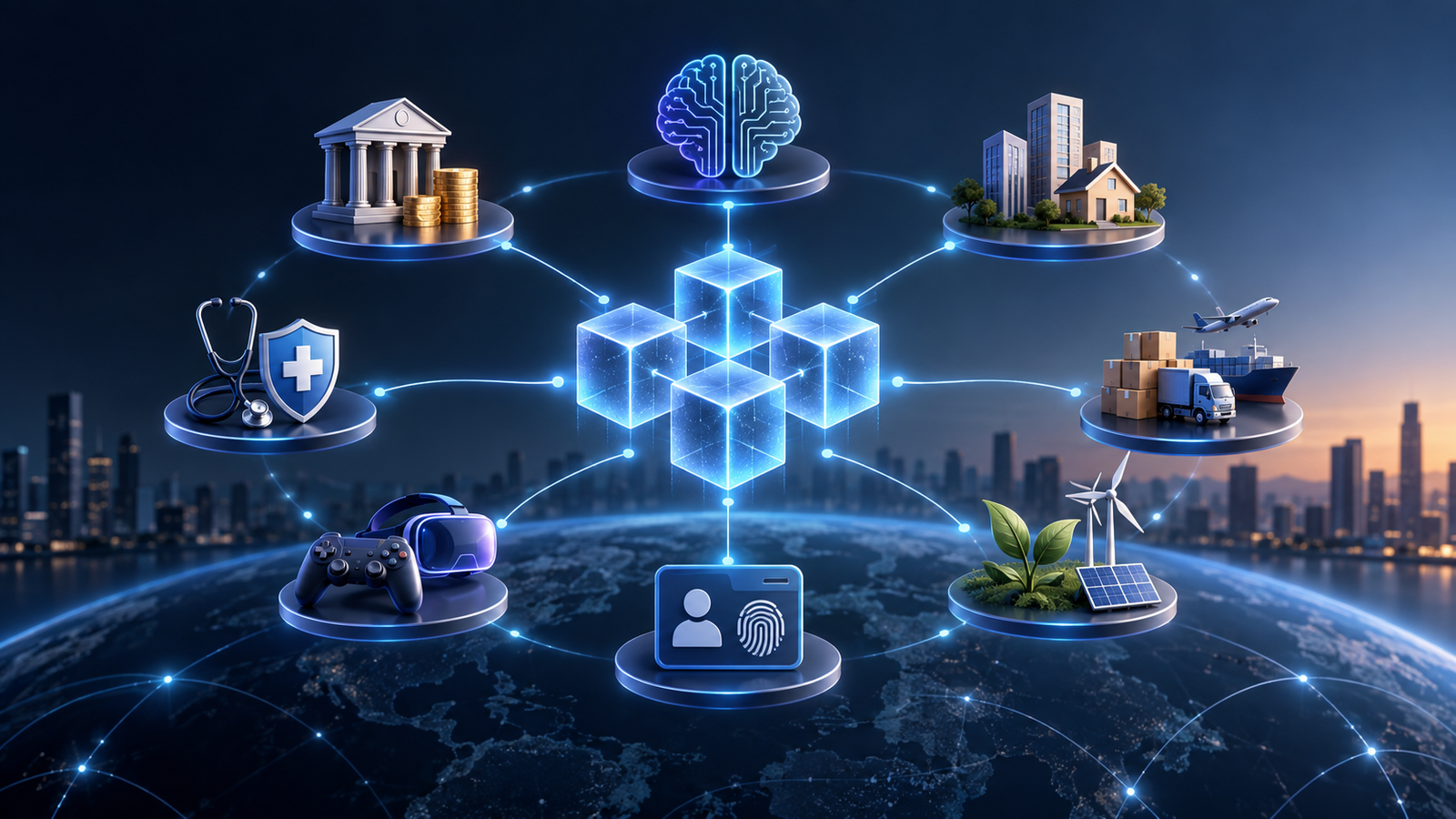
Blockchain technology has moved far beyond cryptocurrency. In the early days, many people knew blockchain only because of Bitcoin. Today, businesses, banks, governments, and developers use this technology to build safer, faster, and more open digital systems. Blockchain is now part of finance, healthcare, supply chains, gaming, identity systems, and many other areas.
The future of blockchain looks more practical than ever. New trends show that companies are focusing less on hype and more on real-world solutions. From artificial intelligence to digital assets, these changes can shape how people use technology in the coming years. Here are seven blockchain trends that you cannot ignore.
1. AI and Blockchain Will Work Together
Artificial intelligence and blockchain are becoming two powerful technologies that can work together. AI can help blockchain systems become smarter, while blockchain can provide a secure place to store and verify data used by AI.
AI tools can help detect unusual transactions, improve security, analyze blockchain data, and automate tasks through smart contracts. At the same time, blockchain can help create trust in AI systems by showing where data comes from and how it is used.
This combination can create new solutions in finance, customer service, healthcare, and business operations. Decentralized AI systems and AI-powered blockchain tools are expected to grow as companies search for better automation and stronger data protection.
2. Real-World Asset Tokenization Will Grow
Tokenization is one of the biggest blockchain trends today. It means converting real-world assets into digital tokens that can exist on a blockchain network.
Assets such as real estate, company shares, bonds, and commodities can be represented through digital tokens. This can make ownership easier, reduce paperwork, and allow more people to access valuable assets.
For example, a person may not need to buy an entire property. Instead, they may own a small digital part of that property through tokenization. This can create new opportunities for investors and businesses.
Financial institutions are also exploring tokenized assets. Banks and investment firms are looking at blockchain systems to improve records, ownership tracking, and settlement speed.
3. Blockchain Use in Finance Will Increase
The financial sector is one of the biggest users of blockchain technology. Banks and other financial organizations are now exploring blockchain for faster payments, better record management, and improved transparency.
Traditional financial systems often require several steps before a transaction is complete. Blockchain can reduce the need for multiple middle parties and help transactions move faster.
Stablecoins are also gaining more attention because they connect traditional money with blockchain networks. These digital currencies are designed to maintain a stable value and can support payments, transfers, and business transactions.
Governments and financial institutions are also testing blockchain-based systems. For example, tokenized bonds and digital settlement systems show how blockchain can become part of future financial infrastructure.
4. DeFi Will Become More Advanced
Decentralized finance, also known as DeFi, allows people to access financial services without depending fully on traditional banks. Users can lend, borrow, trade, and manage digital assets through blockchain-based platforms.
In the past, DeFi faced problems related to security, complexity, and regulation. However, new improvements are helping make these systems safer and easier to use.
Future DeFi platforms may offer better user experiences, stronger protection, and more connections with traditional finance. Banks and financial companies are also studying how DeFi features can work with regulated systems.
As blockchain technology improves, DeFi may become a larger part of the global financial system.
5. Better Blockchain Speed and Scalability
One major challenge for blockchain has always been speed. Some networks struggle when many users make transactions at the same time. This can cause delays and higher costs.
To solve this problem, developers are creating new solutions such as Layer-2 networks and improved blockchain designs. These technologies help process more transactions while keeping the main network secure.
Scalability improvements can make blockchain more useful for everyday activities. Faster and cheaper transactions can support areas such as online payments, gaming, business systems, and global applications.
As blockchain becomes more efficient, more companies may adopt it for regular business needs instead of only experimental projects.
6. Stronger Security and Privacy Solutions
Security remains one of the most important areas for blockchain growth. Although blockchain offers strong protection through its design, risks such as smart contract errors, scams, and cyber attacks continue to exist.
Future blockchain systems will focus more on advanced security methods. Developers are working on better protection for digital wallets, private information, and blockchain networks.
Privacy is another major focus. Many users want the benefits of blockchain without exposing sensitive details. New privacy solutions can help people and businesses use blockchain while keeping important information protected.
The industry is also preparing for future risks, including possible threats from quantum computers. Some experts believe blockchain systems may need stronger encryption methods to stay secure in the future.
7. More Businesses Will Adopt Blockchain
Blockchain adoption is no longer limited to technology companies. Businesses from different industries are now exploring blockchain to solve real problems.
Supply chain companies can use blockchain to track products from origin to customer. Healthcare organizations can use it to manage records more safely. Companies can also use blockchain to improve contracts, payments, and digital identity systems.
Large organizations are showing more interest because blockchain can improve trust and transparency. Instead of replacing every existing system, many companies are using blockchain as an additional tool to improve their operations.
This shift shows that blockchain is becoming a practical business technology rather than only a digital currency system.
The Future of Blockchain
Blockchain is entering a new stage where real-world use matters more than excitement around new coins and projects. The next few years may bring stronger connections between blockchain, artificial intelligence, finance, and business.
The seven trends above show how blockchain can change many industries. Better speed, improved security, tokenized assets, and wider adoption can help blockchain become a normal part of digital life.
While challenges still exist, blockchain continues to develop quickly. Companies and users who understand these changes early can better prepare for the future of this technology.
Also Read – Ethereum After the Summer Rebound: Is ETH the Cleaner Institutional Beta?