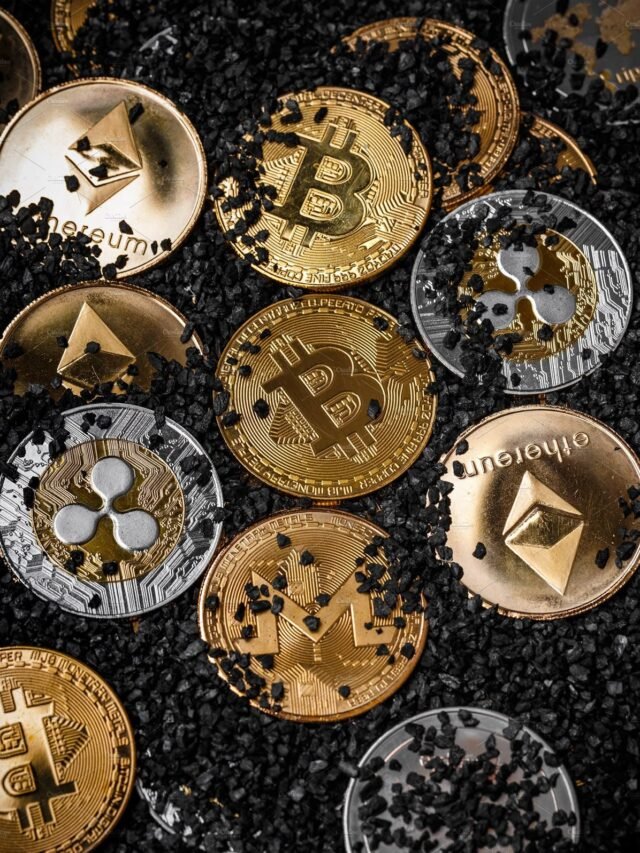
Russia has started a new phase for crypto with fresh rules that take effect on September 1, 2026. The new framework places major digital assets such as Bitcoin, Ethereum and USDT under a regulated system.
The change is one of the most important steps in Russia’s approach to crypto. For years, the country had a complex position on digital assets. Authorities allowed some forms of crypto use but kept strict limits on several activities. The new rules bring more structure to the market and give approved institutions a clearer role.
The first stage will focus on three major assets: BTC, ETH and USDT. This narrow list shows that Russian authorities want to test the new system before they allow wider access to other digital assets.
The new framework also sets limits for retail users. Reports say that ordinary investors will face an annual purchase limit of 300,000 rubles per licensed intermediary. This means access will not be fully open in the same way as a normal crypto exchange.
Bitcoin, Ethereum and USDT Get a Clearer Status
The most important part of the new system is its treatment of Bitcoin, Ethereum and USDT.
Bitcoin remains the largest crypto asset by market value. Ethereum is the second major asset and supports a large part of the wider digital asset market. USDT, also known as Tether, is a stablecoin that aims to keep its value close to the US dollar.
By placing these three assets into the first stage of the regulated system, Russia has chosen some of the most widely used names in the global crypto market.
The move does not mean that every Russian citizen now has unlimited access to crypto. Instead, the system creates a controlled path for people who want to buy these assets through approved channels.
That difference is important. Russia is not simply opening the door to the entire crypto market. It is creating a system with limits, approved intermediaries and rules for retail users.
The 300,000-Ruble Limit
One of the key parts of the new framework is the reported 300,000-ruble annual purchase limit per licensed intermediary for retail users.
This limit is designed to keep the first stage of the market under control. It gives individuals a way to access major crypto assets while placing a ceiling on how much they can buy through each licensed intermediary.
The rule also shows that Russian authorities remain careful about retail crypto exposure. Digital assets can rise sharply in price, but they can also fall just as quickly. A purchase limit can reduce the amount of money that an ordinary investor can place into the market through the new regulated system.
The use of the phrase per licensed intermediary is also important. It means the limit is tied to each approved service provider rather than simply acting as one universal figure across every possible crypto platform.
The structure of the rule could therefore become an important part of how the new market develops.
Sberbank Prepares Crypto-Backed Loans
The new rules also arrive as Sberbank prepares a new service based on crypto-backed lending.
Russia’s largest bank is preparing loans that could use BTC, ETH and USDT as assets linked to the lending process.
This is a major step because it brings a traditional financial institution closer to the crypto market.
Crypto-backed lending works on a simple idea. A person or company can use digital assets as security for a loan. The borrower does not necessarily need to sell the crypto. Instead, the asset can support the loan while the borrower receives funds.
The model has existed across the global crypto industry for years. Its arrival through a major Russian bank gives the idea a different level of importance.
Sberbank’s involvement also suggests that the new framework may not focus only on crypto purchases. It could create a wider connection between digital assets and traditional financial services.
Why Russia Wants More Control
Russia’s approach reflects a wider effort to bring crypto activity under formal rules.
Digital assets can move across borders with fewer restrictions than traditional bank transfers. They can also operate outside the normal banking system. This creates both opportunities and risks for governments.
A regulated framework gives authorities more control over how crypto enters the financial system.
It can also help reduce uncertainty for banks and financial companies. When rules are clear, institutions have a better idea of what they can offer and what actions could create legal problems.
For users, regulation can also provide a clearer path. Instead of relying only on informal platforms or services with uncertain legal status, they may have access to approved channels.
However, regulation does not remove the normal risks of crypto. Bitcoin, Ethereum and other digital assets can still face large price swings.
Russia’s Approach Is Different From a Full Crypto Opening
The September 1 rules should not be seen as a complete crypto liberalisation.
Russia has chosen a controlled model. Only selected assets form the first part of the system, and retail users face the 300,000-ruble annual purchase limit per licensed intermediary.
This approach gives authorities room to study the market before they make further changes.
If the system works well, Russia could later expand the list of approved assets or services. If problems appear, regulators could tighten the rules.
That makes the first stage especially important. The performance of the new system could influence Russia’s future policy toward crypto.
USDT Has a Special Role
USDT is especially important in this new framework because stablecoins serve a different purpose from Bitcoin and Ethereum.
Bitcoin is often treated as a long-term digital asset. Ethereum has a large role in blockchain applications and smart contracts. USDT, by contrast, is designed to track the US dollar.
This makes USDT useful for transfers and for moving value within the crypto market without the same price swings seen in assets such as Bitcoin.
Its inclusion in Russia’s first group of regulated crypto assets is therefore notable. It suggests that the authorities see value not only in crypto assets as investments but also in the role that stablecoins can play in digital payments and financial services.
At the same time, stablecoins create their own regulatory questions. Authorities need to consider how users can convert them, how reserves are managed and how these assets interact with the traditional financial system.
What This Means for Russian Investors
For Russian retail investors, the new system creates a more formal route into crypto.
People can access major assets through the approved structure, but their activity will have limits. The 300,000-ruble annual purchase limit per licensed intermediary means large retail purchases will not be part of the first stage.
Investors will also need to understand that regulation does not equal safety from market losses. A government-approved route does not protect an investor from a Bitcoin price crash or a major move in Ethereum.
The main change is the legal and financial structure around the activity.
A Bigger Role for Banks
Sberbank’s plans may prove just as important as the retail rules.
If BTC, ETH and USDT can support lending through a major bank, digital assets could become more closely tied to traditional finance in Russia.
That could create new options for crypto holders. Instead of selling their assets to raise money, some users may be able to use them as loan security.
It could also encourage other banks to explore similar products if regulators allow them.
This would mark a major change from a system in which crypto sits mostly outside the traditional banking sector.
What Comes Next for Russia’s Crypto Market
The start of the new framework on September 1, 2026 is only the first step.
The next stage will show how Russian regulators, banks, licensed intermediaries and retail users respond to the rules.
The first three assets are BTC, ETH and USDT. The retail purchase limit is 300,000 rubles per licensed intermediary. Sberbank is also preparing crypto-backed lending tied to those same three assets.
Together, these changes show a careful but important shift in Russia’s crypto policy.
Russia is not opening its entire financial system to digital assets overnight. Instead, it is creating a controlled market with selected assets, limits and a larger role for established financial institutions.
The success of this model could shape the country’s next move. If the system proves stable, Russia may expand its crypto services over time. If serious risks appear, authorities may keep the market narrow.
For now, September 1 marks a clear turning point. Bitcoin, Ethereum and USDT have entered a new regulated phase in Russia, while the country tests how digital assets can fit into its wider financial system.
Also Read – Best Trading Journals to Track Your Performance