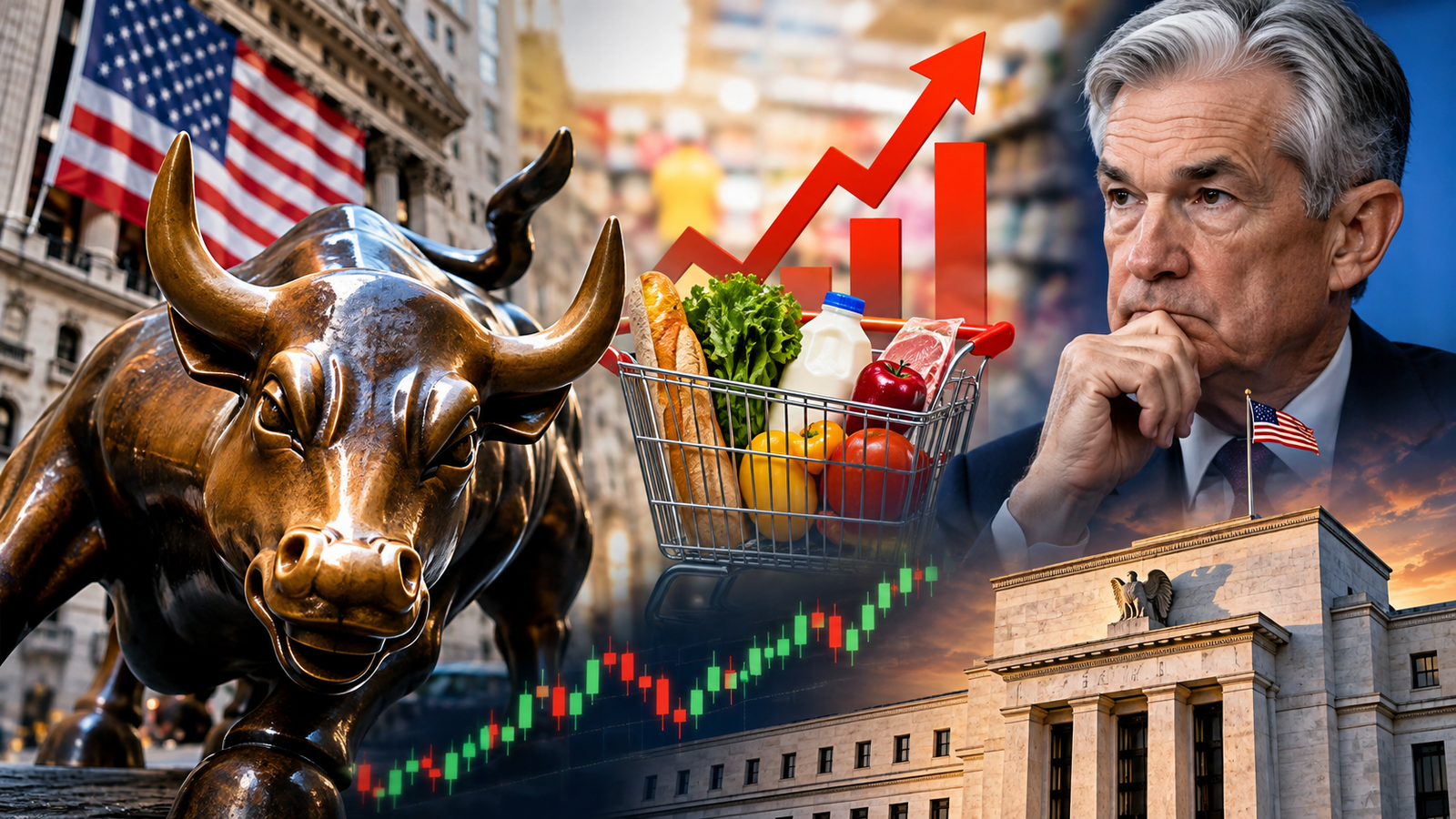
U.S. stock markets are set to reopen on Tuesday, September 8, after the Labor Day holiday. The New York Stock Exchange and Nasdaq were closed on Monday, September 7, as part of the U.S. holiday schedule.
The return comes at an important time for Wall Street. Investors now have their eyes on fresh U.S. inflation data, with the August Consumer Price Index, or CPI, due on Friday, September 11. The report may have a major role in the Federal Reserve’s next rate decision.
The main question is simple: will the Fed raise interest rates in September, or will it keep rates where they are?
CPI Takes Center Stage
The August CPI report is due at 8:30 a.m. Eastern Time on Friday. It will be one of the most important economic reports before the Fed’s September meeting.
CPI tracks changes in the prices that U.S. consumers pay for goods and services. A high result could show that price pressure remains strong. A softer result could give the Fed more reason to keep rates steady.
Markets now have very little time to react. The Fed will meet on September 15 and 16, only a few days after the CPI report. The central bank will announce its rate decision on September 16.
That makes Friday’s inflation report especially important. It will be one of the last major pieces of economic data available to policymakers before the decision.
Strong Jobs Data Changed the Rate Debate
The September rate debate became more serious after the latest U.S. jobs report.
U.S. employers added 162,000 jobs in August. That result was stronger than many market forecasts. The unemployment rate stayed at 4.1%.
The strong labor report gave the Fed more room to consider a rate hike. A healthy job market can support the economy, but it can also keep price pressure alive if demand stays strong.
Before the jobs report, many traders had expected the Fed to leave rates alone. The new data changed that view.
According to CME FedWatch data cited by Reuters, the market now sees about a 58% chance of a rate hike at the Fed’s September meeting. That is up from 52% one week earlier. Reuters also reported that UBS now expects two U.S. rate hikes in 2026, with one in September and another in December.
Another Reuters report put the current market odds at about 60% on Tuesday.
Why One CPI Report Matters So Much
The Fed has a difficult task. It must balance inflation with the health of the labor market.
If CPI comes out hotter than expected, markets may see a higher chance of a September rate hike. A rate increase would make borrowing more expensive for consumers and companies. It could also put pressure on stocks, especially companies whose value depends on future growth.
A weaker CPI result could have the opposite effect. If price pressure shows signs of a clear slowdown, traders may reduce their bets on a rate hike.
This is why the market reaction may depend less on whether inflation rises or falls and more on how the actual number compares with expectations.
For example, inflation can rise but still come in below forecasts. In that case, markets may take the result as a positive sign. If inflation comes in well above forecasts, the reaction could be much more negative.
PPI Comes Before CPI
CPI is not the only major inflation report this week.
The Producer Price Index, or PPI, is due on Thursday, September 10, at 8:30 a.m. Eastern Time. The report will cover August.
PPI tracks price changes at the producer level. It can offer an early view of price pressure before those costs reach consumers.
That makes Thursday’s report an important clue before Friday’s CPI number.
If both PPI and CPI show strong price pressure, the case for a Fed rate hike could become stronger. If both reports show softer inflation, the market may pull back from its current rate-hike view.
Treasury Yields Add to Market Pressure
The bond market is also important in this story.
Higher expectations for Fed rates can push Treasury yields higher. Higher yields can then place pressure on stocks because bonds become more attractive compared with some riskier assets.
The 10-year Treasury yield has recently been close to 4.8%. That is a level investors are watching closely as the market assesses the next Fed move.
A hotter CPI report could push yields higher if traders expect tighter Fed policy. A softer CPI report could bring some relief to the bond market.
The U.S. dollar is also under close watch. Reuters said the dollar index was around 98.83 on Tuesday as markets waited for CPI.
Stocks Face a Major Test
U.S. stocks have entered this week with several important risks ahead.
The market had a holiday break on Monday, so Tuesday marks the return of regular U.S. cash trade. The first session after a holiday can give investors a fresh chance to react to major economic news from the previous few days.
The focus, however, is likely to remain on rates.
Technology and growth stocks can face extra pressure when bond yields rise. These companies often depend on future earnings for much of their value. Higher interest rates can reduce the present value of those future profits.
At the same time, a softer inflation report could help stocks if it lowers the chance of a rate hike.
That creates a clear setup for Wall Street this week: strong CPI could hurt rate-sensitive stocks, while soft CPI could give them a boost.
The Fed Faces a Difficult Choice
Fed officials have sent mixed signals before the September meeting.
Fed Governor Christopher Waller said his view on a possible September rate hike depends on the August inflation report. If inflation continues to cool, he would favor steady rates. If inflation comes in stronger than expected, he could support a rate increase.
Fed Chair Kevin Warsh has also said that inflation has not fallen enough. His comments have kept the possibility of a rate hike alive.
This leaves the market in a sensitive position. A single report could shift expectations quickly.
What Happens Next
The key dates are now clear.
U.S. markets reopen on Tuesday, September 8, after the Labor Day holiday. PPI arrives on Thursday, September 10. CPI follows on Friday, September 11. The Federal Reserve then meets on September 15 and 16, with its rate decision due on September 16.
The August jobs report has already changed the rate debate. Now the CPI report must provide the next major clue.
A hot inflation number could push September rate-hike odds well above their current level near 60%. A soft number could take those odds lower and give stock investors some relief.
For Wall Street, the message is clear: the next few days may set the tone for the U.S. market through the rest of September.
The biggest number to watch is not just the CPI itself. Investors will look at how the result compares with forecasts, what it says about future price pressure, and how it changes expectations for the Federal Reserve.
After the Labor Day pause, the U.S. market is back. The real test arrives Friday.
ALSO READ: Iran Tensions Push Oil Toward $100 as Gulf Risks Rise