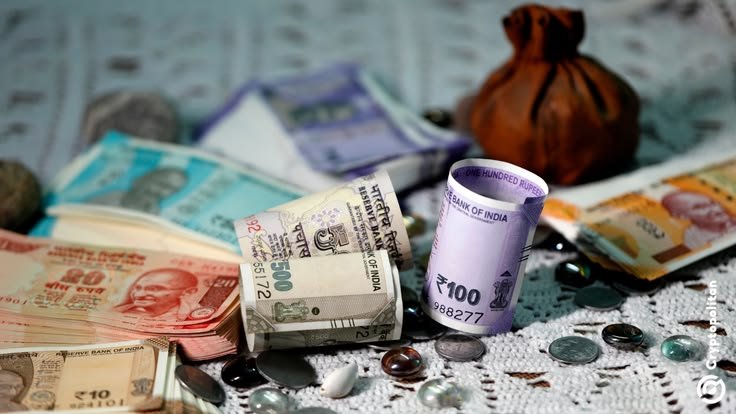
The Indian rupee came under fresh pressure on October 1, 2026, as the US dollar rose against several Asian currencies. The rupee fell 0.16% to 95.9850 per dollar, which placed it just above the key ₹96 per dollar level.
The move came as the US dollar index reached a more than three-month high. Higher US Treasury yields gave the dollar more support and put pressure on currencies across Asia. The rupee was not alone in this move, as several Asian currencies also lost value against the greenback.
State-run banks were seen selling dollars in the market. Market participants said these sales were likely on behalf of the Reserve Bank of India, or RBI. Such dollar sales can help reduce pressure on the rupee and keep the currency from a sharper fall.
The rupee had already faced a difficult period due to high oil prices, higher global bond yields and concerns about future US interest rates. The latest move shows that these forces remain important for the Indian currency.
Strong Dollar Adds Pressure
The main force behind the rupee’s latest fall was a stronger US dollar. The Dollar Index reached a more than three-month high on October 1 as US Treasury yields moved higher.
A stronger dollar can create pressure on Asian currencies because investors may prefer US assets when US bond returns rise. This can reduce demand for emerging-market assets and increase demand for the dollar.
The effect is important for India because the country has a large need for dollars for imports. When the dollar becomes more expensive, Indian companies and importers need more rupees to buy the same amount of foreign currency.
This can put extra pressure on the rupee, especially when crude oil prices are also high.
The latest market move came even after US inflation data showed a softer result than expected for August. The softer inflation figure did not stop the rise in Treasury yields. That kept the dollar strong and left the rupee under pressure.
US Treasury Yields Rise
US Treasury yields have become a major part of the currency story. Global bond markets faced heavy pressure in September, and yields rose sharply.
Higher US yields can attract money toward US assets because investors may receive better returns from dollar-based investments. This can lift demand for the US currency.
For India, the effect can be difficult. Higher US yields can make Indian bonds and other emerging-market assets less attractive when compared with US assets. This can affect foreign capital flows and add pressure to the rupee.
Reuters reported that global bonds had their largest monthly losses in years in September. The main concerns included weaker government finances, a large supply of new bonds and higher inflation risks.
The same forces have affected Indian markets, although the rise in Indian bond yields has been smaller than the rise in US yields.
Oil Prices Remain a Key Risk
Crude oil is another major factor for the Indian rupee. India imports a large share of the oil it uses. When crude prices rise, Indian buyers need more dollars to pay for energy imports.
That creates higher demand for dollars in the local foreign exchange market. More dollar demand can put pressure on the rupee.
Oil prices have remained high due to geopolitical tensions and concerns about supply. This has created a difficult situation for oil-importing countries across Asia.
Reuters reported on October 1 that high oil prices have added pressure to several Asian currencies. The Indian rupee was among the currencies under pressure as higher crude prices raised concerns about external balances and inflation.
For India, the oil issue is important because a higher import bill can affect the country’s trade balance. It can also raise the cost of goods and services if companies pass higher fuel and transport costs to consumers.
RBI Steps In Near ₹96
The Reserve Bank of India has played an important role in the rupee market.
On October 1, state-run banks sold dollars as the rupee moved toward ₹96 per dollar. Traders said these sales were likely on behalf of the RBI.
The purpose of such action is not always to defend one exact level. Central banks can use foreign exchange operations to reduce sharp moves and limit excessive volatility.
The RBI has already used dollar sales and other foreign exchange tools during the recent period of pressure on the rupee. These actions have helped keep the currency away from its previous record low.
The rupee had reached a record low of 96.96 per dollar in the previous quarter. Persistent RBI intervention helped the currency avoid another test of that level before October 1.
The latest dollar sales show that the central bank remains active as the rupee faces pressure from global markets.
Rupee Has Had a Weak Quarter
The pressure on October 1 came after a weak September and a difficult July-September quarter.
The rupee fell 0.7% in September and 1.2% in the July-September quarter, according to Reuters.
High crude prices and higher global bond yields were major factors behind the decline. The currency also faced pressure from weaker demand for some Indian assets from overseas investors.
The RBI helped limit the fall through repeated market action. Without that support, the rupee could have faced a larger move toward its previous record low of 96.96.
The currency market therefore enters October with several major issues still unresolved. Oil prices remain high, US yields remain elevated and the dollar remains strong.
At the same time, India still has large foreign exchange reserves and several sources of external income that can support the currency.
Asian Currencies Also Face Pressure
The rupee’s decline is part of a wider Asian currency move.
Reuters reported on October 1 that investors remained cautious about several emerging Asian currencies because of high oil prices and rising US Treasury yields.
The Indonesian rupiah, Philippine peso, Thai baht and Indian rupee all faced pressure. Oil-importing economies are more exposed because expensive crude can increase their import bills and inflation risks.
The higher US yields add another problem. When US bond returns rise, global investors may find dollar assets more attractive.
This can reduce demand for assets in emerging markets.
Not every Asian currency has faced the same pressure. The South Korean won has received support from strong chip exports and a current-account surplus. The Malaysian ringgit has also shown more resilience because Malaysia is a net energy exporter.
That difference matters. Higher oil prices can hurt countries that import most of their energy, while they can support countries that export oil and gas.
RBI Policy Decision Comes Next
Another important factor for the rupee is the next RBI monetary policy decision.
Markets widely expect a 25 basis point rate hike at the next policy meeting. About 100 basis points of tightening have been priced over the next 12 months, according to Reuters.
Interest rates matter for currency values because they affect the return investors can receive from local assets.
A higher domestic rate can give a currency some support, although the effect depends on many other factors. At present, the rupee also faces pressure from oil prices, US yields and global risk conditions.
The RBI therefore faces a difficult balance. It needs to deal with inflation and local financial conditions while also keeping an eye on currency pressure.
The central bank has several tools at its disposal, including interest rates and foreign exchange operations.
US Jobs Data May Move the Rupee
The next major test for the US dollar and the rupee will come from US economic data.
The nonfarm payrolls report is one of the key reports that markets will watch. The report can affect expectations for Federal Reserve policy and US Treasury yields.
If US economic data remains strong, markets may expect US rates to stay high for longer. That could support the dollar and create more pressure on currencies such as the rupee.
If the data shows a clear loss of economic strength, expectations could change. Lower US rate expectations could reduce Treasury yields and take some pressure off emerging-market currencies.
For now, the market remains focused on the relationship between US data, Fed policy and Treasury yields.
Inflation Is Another Concern for India
The rupee story is also linked to India’s inflation outlook.
India’s Finance Ministry said on October 1 that geopolitical tensions, high crude oil prices and tighter global financial conditions could increase imported inflation.
India’s retail inflation reached 4.82% in August, while food inflation stood at 5.95%. Wholesale inflation rose to 9.92%, with fuel and power costs a major factor.
Higher oil prices can add to this pressure because fuel affects transport and production costs across the economy.
The government report also said India’s foreign exchange reserves stood at $765.9 billion as of September 18. That gave India about 11.1 months of import cover.
These reserves provide an important buffer for the country. They give the RBI room to manage periods of heavy pressure in the currency market.
RBI FX Swaps Change the Dollar Market
Another major development on October 1 was the RBI’s use of dollar-rupee foreign exchange swaps.
The central bank has used these swaps as part of its effort to manage surplus liquidity in India’s banking system. The move has also affected the cost of dollar funding for Indian companies.
Reuters reported that higher FX forward premiums have made some currency swap structures more attractive for Indian companies that need dollar funding.
Some firms can borrow in rupees and then use the forward market or a cross-currency swap to convert their exposure into dollars. In certain cases, this can cost less than direct dollar borrowing.
Rupee-dollar swap pricing has risen across several periods. Implied rates for two-, three- and five-year swaps rose 90 to 110 basis points.
This shows that RBI activity is having an effect beyond the spot currency market. Its actions also influence the forward market and the way companies manage their foreign currency needs.
What ₹96 Means for the Market
The ₹96 level has clear importance for the rupee because it sits close to the currency’s previous record low of 96.96.
On October 1, the rupee reached 95.9850, just above that round number.
A move beyond ₹96 would not automatically mean that the rupee must fall toward 96.96. Currency markets can change direction quickly when oil prices, Treasury yields or central bank action changes.
Still, the area near ₹96 is important because it shows how close the rupee remains to its recent extreme.
RBI dollar sales may help reduce sudden moves, but the wider forces remain outside the central bank’s direct control.
What Comes Next for the Rupee
The rupee enters October with several major forces on both sides.
The dollar has support from higher US Treasury yields. Oil prices remain a concern for India. The Federal Reserve outlook remains important, while the RBI has continued to use foreign exchange tools to reduce sharp currency moves.
India also has strong foreign exchange reserves, services exports and remittance flows. These factors can provide support to the country’s external position.
The main question for the rupee is whether the pressure from high oil prices and global yields will ease or remain in place.
For now, the currency remains close to ₹96 per dollar. On October 1, the rupee fell 0.16% to 95.9850, while state-run banks sold dollars, likely on behalf of the RBI. The dollar index reached a more than three-month high, while higher US Treasury yields added pressure across Asian currencies.
The next moves will depend on US economic data, Federal Reserve expectations, oil prices, RBI policy and global capital flows. For the Indian currency, these factors will remain central as October gets under way.
Also Read – UK Opens Crypto Authorisation Ahead of New Rules