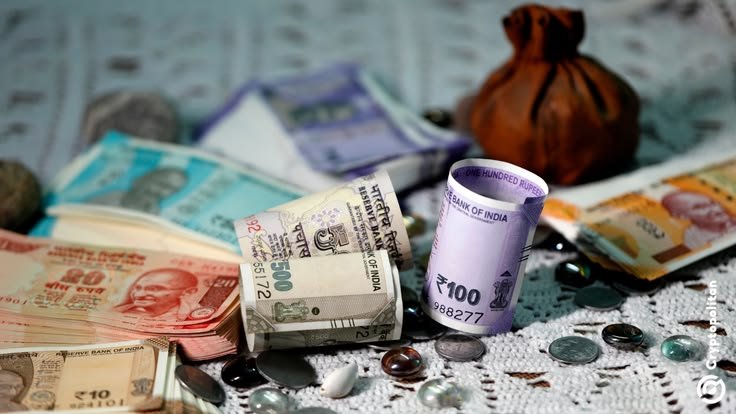
The Indian rupee made a strong recovery against the US dollar on October 12, 2026, after the Reserve Bank of India (RBI) introduced new steps to support the local currency. The rupee rose by about 1% to 95.77 per US dollar from its Friday close of 96.73. This was its best single-day gain since April 2026 and made it one of the strongest currencies in Asia that day.
The sharp rise came after weeks of pressure on the rupee. High oil prices, heavy demand for US dollars and large foreign fund outflows had pushed the currency close to a record low. The RBI responded with steps that aimed to reduce demand for dollars in the regular foreign exchange market and make some currency hedge deals more costly.
The move gave the rupee quick relief, but the larger question remains: can this recovery last? The answer will depend on oil prices, foreign investment flows, the demand for dollars and how well the RBI’s new rules work over time.
Why the Rupee Rose on October 12
The main reason for the rupee’s rise was the RBI’s new set of currency support measures. The central bank acted to address two major sources of pressure: dollar demand from oil companies and the sharp rise in demand for forward dollar deals by businesses.
Oil firms need large amounts of US dollars to pay for crude oil imports. When they buy dollars from the regular market, they add to demand for the US currency. This can push the dollar higher against the rupee, especially when oil prices are high.
At the same time, many Indian companies had begun to buy dollars in advance to protect themselves from a further fall in the rupee. These deals are known as currency hedges. While such protection helps businesses manage future costs, a sudden rise in demand for these deals can add more pressure to the local currency.
The RBI’s latest steps aimed to reduce both forms of demand. As traders reacted to the news, the rupee rose sharply. The US dollar fell to about 95.77 rupees from 96.73 on Friday, which meant that fewer rupees were needed to buy one dollar.
The Rupee Had Come Close to a Record Low
Before the RBI’s action, the rupee had faced a difficult period. It fell close to 96.96 per US dollar in the previous week, near its record low. The currency had also lost about 6.5% to 6.6% of its value against the dollar in 2026, according to market reports published on October 12.
A weaker rupee can create problems for a country that relies on imports. India buys large amounts of crude oil from overseas markets and pays for much of this trade in US dollars. When the dollar becomes more expensive, Indian firms need more rupees to pay the same dollar bill.
This can raise costs for oil companies, transport firms and other businesses that rely on imported goods. If firms pass these extra costs on to customers, households may also face higher prices.
The fall in the rupee had also raised concern among companies that need to pay foreign suppliers. Many firms feared that the currency could fall further, so they sought more protection against future dollar price rises. This added to demand for dollars and made the situation harder for the rupee.
The RBI’s action was a direct response to these pressures. Rather than rely only on changes to interest rates or public statements, the central bank chose to alter how some major dollar purchases and currency hedge deals take place.
RBI Creates a Special Dollar Window for Oil Companies
One of the most important steps was a special dollar facility for three state-owned oil companies: Indian Oil Corporation, Bharat Petroleum and Hindustan Petroleum.
From October 12, the RBI began to meet their daily dollar needs through a special window. This means these companies can obtain the dollars they need from the central bank rather than buy all those dollars from the regular foreign exchange market.
The purpose is simple. Oil firms are among the largest regular buyers of US dollars in India. When their purchases move away from the open market, the daily demand for dollars in that market can fall.
Reuters reported that this change could remove about $10 billion to $12 billion of monthly dollar demand from the spot market, based on government data on oil imports. This is a large amount and helps explain why traders reacted so strongly to the RBI’s announcement.
However, the measure does not remove India’s need to pay for imported oil. The country must still pay its overseas suppliers in dollars. The main change is where the oil companies get those dollars.
The facility can therefore reduce pressure on the regular market, but it does not solve the wider issue of India’s high oil import bill. If global oil prices stay high, the country will still need large amounts of foreign currency to pay for energy imports.
New Rules Make Some Currency Hedges More Expensive
The RBI also introduced tighter rules for certain foreign exchange derivative contracts. These contracts help businesses manage the risk of changes in currency prices. For example, an Indian company that must pay a supplier in dollars next month may use a forward contract to set a price today.
Such deals can protect firms from sudden currency moves. However, market reports showed that demand for forward dollars had risen sharply as companies feared further weakness in the rupee.
The RBI barred users from rebooking cancelled rupee-linked foreign exchange derivative contracts. It also reduced the threshold for some deals that do not require proof of an underlying business exposure. These steps aim to limit repeated trades and reduce activity that may add pressure to the rupee.
Another major change requires banks to set aside cash equal to 20% of the rupee value of certain foreign exchange derivative contracts used to hedge current-account exposures. The rule applies to qualifying deals with a notional value above $2 million.
In simple terms, banks must hold extra cash against certain large deals. This raises the cost of such transactions and may lead banks to charge clients more for currency protection.
The RBI expects these changes to reduce the rush for forward dollars. If fewer companies seek such deals at once, demand for the US currency may ease. That could help the rupee, at least in the short term.
Why Companies Were Buying Dollars in Advance
The demand for forward dollars had grown because many companies expected the rupee to fall further. Businesses that must pay overseas suppliers often want to know their future costs in advance. A forward contract allows them to set an exchange rate for a future date.
For example, if an Indian importer must pay $1 million to a foreign supplier next month, a weaker rupee could make that payment much more expensive. By arranging a forward contract, the importer can reduce this uncertainty.
However, when many companies try to protect themselves at the same time, the combined demand for dollars can add to pressure on the rupee. Fear of a weaker currency leads to more dollar purchases, which may cause further weakness. That can then encourage even more firms to seek protection.
The RBI’s new rules aim to slow this cycle. Higher costs may lead some businesses to reduce or delay their hedge deals. This could lower demand for forward dollars and ease pressure on the currency.
Still, companies with genuine foreign payment needs cannot avoid all currency risk. They may continue to use hedges even if these deals become more expensive. The effect of the new rules will depend on how firms adjust their plans and how banks set prices for these services.
Banks Raise Concerns About the New Rules
Although the rupee gained sharply, the new measures created concern among banks and foreign exchange dealers. The 20% cash reserve rule requires changes to bank systems, internal checks and the way some deals are handled.
Banks have asked the RBI for more clarity and relief from parts of the new rules. Reuters reported on October 12 that lenders had sought the removal of the 20% cash deposit requirement for certain foreign exchange derivatives used to hedge current-account exposures.
Banks also want clear instructions on how to manage the extra reserve, when they must deposit it and who should bear the cost. They need to know whether they can pass the added expense on to clients or must first use their own funds.
These questions matter because currency hedges are a normal part of business. Importers use them to protect against price changes, while banks provide these services to help firms manage foreign exchange risk.
If the rules raise costs too much, some firms may reduce their use of formal hedges. Others may face higher bills for the same level of protection. Banks must also ensure that their systems meet the new rules without major delays or errors.
The RBI now faces the task of supporting the rupee while ensuring that firms can still manage real business risks. Clear rules and smooth execution will be important for the long-term effect of the policy.
Foreign Fund Outflows Remain a Major Risk
The rupee’s problems are not limited to oil payments and corporate hedges. Foreign investors have also pulled large sums from Indian shares in 2026.
Reuters reported that foreign capital outflows from local stocks had exceeded $30 billion so far in the year. When overseas investors sell Indian shares, they may convert the rupees they receive back into dollars. This adds to demand for the US currency and can weaken the rupee.
Foreign fund outflows often depend on several factors. Investors may move money to other markets if they expect better returns elsewhere. High US Treasury yields can make US assets more attractive, while global uncertainty can cause investors to reduce their exposure to markets they see as riskier.
These flows can place pressure on the rupee even if the RBI reduces the dollar demand of oil firms. The central bank can influence the way some foreign exchange transactions take place, but it cannot fully control the decisions of global investors.
This is why analysts remain cautious about the currency’s future. A sharp one-day rise is a positive sign, but lasting strength will need broader support from capital flows, trade conditions and global markets.
India’s Foreign Exchange Reserves Fall From Their Peak
India’s foreign exchange reserves are another important part of the story. These reserves include foreign currency assets and other reserve holdings that help the country meet external payment needs and manage periods of market stress.
Reuters reported that India’s foreign exchange reserves fell to $734 billion as of October 2, 2026, after they reached a record high of $785 billion in September.
The fall does not mean India cannot manage its external payments. The reserve level remains large. However, changes in reserves matter because they can reflect market action, changes in asset values and other foreign exchange movements.
If the RBI sells dollars to support the rupee, this may reduce its foreign currency holdings, although the exact effect depends on wider reserve movements. The central bank must balance the need to limit sharp currency falls with the need to maintain enough reserves for future risks.
The special dollar facility for oil firms also requires access to foreign currency. As a result, traders will watch future reserve data to assess the wider effect of the RBI’s steps.
Will the Rupee’s Recovery Last?
The rupee’s rise to 95.77 per dollar was a clear response to the RBI’s action, but it is too early to say that the currency has entered a lasting recovery. The new measures can reduce some forms of dollar demand, yet several larger pressures remain.
Oil prices are a key factor. If crude oil stays expensive, India will need more dollars to pay for its imports. This can keep demand for foreign currency high and limit the rupee’s recovery.
Foreign investment flows are also important. If overseas investors continue to sell Indian shares, the rupee may face fresh pressure. A fall in global risk concerns or a rise in foreign demand for Indian assets could offer more lasting support.
The US dollar’s wider trend will matter as well. If US interest rates remain high and investors prefer dollar assets, emerging market currencies may struggle. If expectations about US rates change, the rupee could receive some relief.
ANZ analysts said that gradual depreciation of the rupee may resume once the first effect of the RBI’s measures fades, unless broader balance-of-payments pressures ease. The bank kept its medium-term view for a weaker rupee and said it would review its outlook after it assessed new data on hedging and foreign exchange reserves.
This view highlights the main challenge for the RBI. The central bank has managed to reduce immediate pressure, but long-term stability depends on more than one set of rules.
Conclusion
The Indian rupee rose about 1% to 95.77 per US dollar on October 12, 2026, after the Reserve Bank of India took direct steps to reduce dollar demand. The move marked the currency’s strongest single-day gain since April and offered relief after a period of heavy pressure.
The RBI’s special dollar window for Indian Oil, Bharat Petroleum and Hindustan Petroleum could shift about $10 billion to $12 billion of monthly dollar demand away from the regular spot market. Tighter rules on certain foreign exchange hedges may also slow demand for forward dollars, although they could raise costs for banks and businesses.
Despite the sharp rise, the rupee still faces major risks from high oil prices, foreign fund outflows and wider global currency trends. India’s foreign exchange reserves stood at $734 billion on October 2, down from a record $785 billion in September.
The next few weeks will show whether the RBI’s measures can provide lasting support. For now, the rally is a positive sign, but a stable rupee will need lower external pressure, steady foreign capital flows and a manageable oil import bill.
Also Read – How China’s Growth Affects Global Commodity Markets