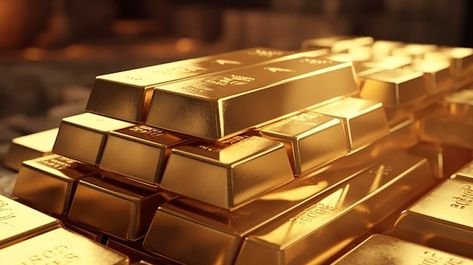
Gold prices moved slightly lower on April 25, 2026, reflecting a cautious global market mood. Traders reacted to persistent inflation concerns, fluctuating currency strength, and ongoing geopolitical tensions. These factors shaped both international and domestic gold markets. While global prices showed mild weakness, domestic rates in India remained relatively steady. This mixed movement highlights the complex forces that continue to influence gold as a key financial asset.
Global Gold Prices Show Mild Decline
International gold prices hovered near $4,741 per ounce on April 25. This level marked a modest decline compared to earlier sessions. Traders avoided aggressive buying as uncertainty around inflation and interest rates remained high.
Market participants closely monitored central bank signals, especially from the United States. Expectations of prolonged higher interest rates reduced the appeal of gold, since gold does not offer yield. As a result, many investors shifted toward interest-bearing assets.
At the same time, some investors continued to hold gold as a hedge against uncertainty. This balance between caution and safe-haven demand prevented a sharper decline.
Inflation Concerns Drive Market Sentiment
Inflation remained one of the strongest influences on gold prices. Persistent price pressures across major economies created uncertainty about future monetary policy.
Higher inflation usually supports gold demand because investors seek protection against declining purchasing power. However, rising interest rates often accompany inflation. Higher rates increase the opportunity cost of holding gold.
This push and pull created a narrow trading range for gold. Investors hesitated to take strong positions until clearer signals emerged from economic data and central bank decisions.
Strong Dollar Adds Pressure
The strength of the US dollar added further pressure on gold prices. A stronger dollar makes gold more expensive for buyers using other currencies. This dynamic reduces global demand.
Currency markets reacted to expectations of continued tight monetary policy in the United States. As the dollar gained strength, gold struggled to maintain upward momentum.
Traders watched currency movements closely, since even small changes in the dollar can influence gold prices significantly.
Domestic Gold Prices Remain Steady in India
While global prices dipped slightly, domestic gold prices in India held steady. Prices stayed near ₹1.50 to ₹1.54 lakh per 10 grams.
This stability reflected local market dynamics, including currency movement and import costs. The Indian rupee showed limited volatility, which helped maintain steady domestic pricing.
Jewellers and traders reported balanced demand and supply conditions. Buyers did not rush into the market, but they also did not withdraw completely. This equilibrium supported stable prices.
Demand Patterns Remain Cautious
Consumer demand in India remained cautious despite steady prices. Many buyers preferred to wait for clearer price trends before making large purchases.
High price levels continued to discourage aggressive buying. Consumers looked for potential corrections before entering the market.
At the same time, cultural and seasonal factors continued to support baseline demand. Weddings and traditional events ensured steady, though not strong, buying activity.
Geopolitical Tensions Influence Market Behavior
Geopolitical developments continued to shape investor sentiment. Ongoing global tensions created uncertainty across financial markets.
Gold often benefits from geopolitical instability, since investors view it as a safe-haven asset. However, current conditions produced mixed reactions.
Some investors increased gold holdings as a precaution. Others focused on interest rate trends and currency strength, which limited gold’s upward movement.
This combination resulted in subdued price action rather than strong rallies.
Market Outlook Remains Uncertain
Short-term outlook for gold remains uncertain. Several key factors will determine future price direction:
- Inflation trends in major economies
- Central bank interest rate decisions
- Strength of the US dollar
- Geopolitical developments
If inflation remains high without aggressive rate hikes, gold could regain upward momentum. On the other hand, continued rate increases may keep prices under pressure.
Investors will likely continue to adopt a cautious approach until clearer signals emerge.
Investment Perspective
Gold continues to play an important role in diversified portfolios. Despite short-term fluctuations, investors still view it as a hedge against uncertainty.
Current price levels may not attract aggressive buying, but they do not trigger panic selling either. This stability reflects gold’s unique position among financial assets.
Long-term investors may continue to hold gold as a protective asset. Short-term traders, however, may focus on volatility driven by macroeconomic data and global events.
Conclusion
Gold prices on April 25, 2026 reflected a market caught between competing forces. Inflation concerns supported gold, while strong interest rate expectations and a firm dollar limited gains.
Global prices edged lower, but domestic markets in India remained stable. This divergence highlighted the importance of local factors alongside global trends.
As uncertainty continues, gold will likely remain sensitive to economic signals and geopolitical developments. Investors will watch closely for any shifts that could define the next major price movement.
Also Read – The Silent Revolution of Passive Investing