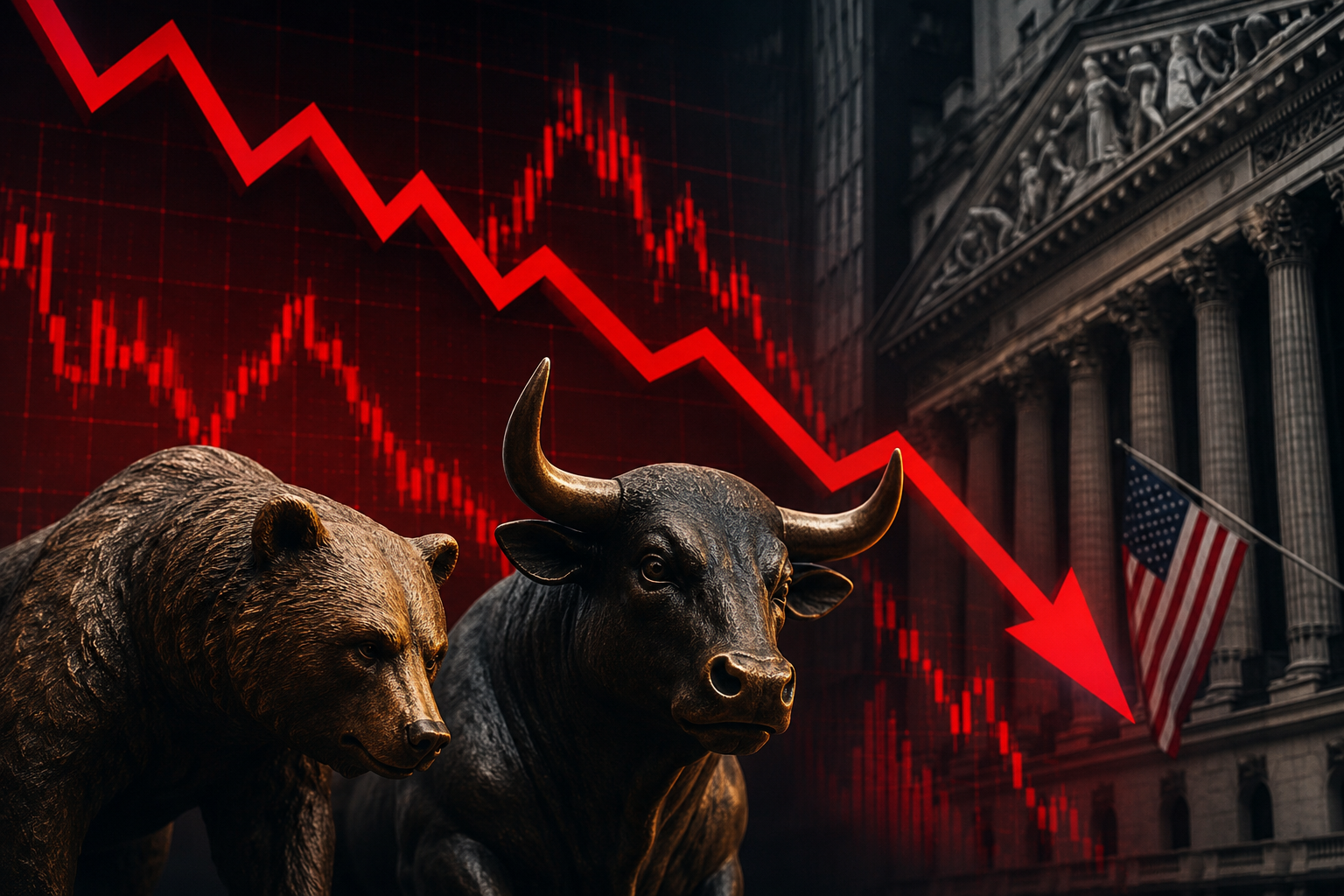
Global stock markets now face increasing scrutiny as policymakers raise concerns about sustainability. A senior official from the Bank of England has warned that current market levels may not hold. This statement has drawn attention from investors worldwide.
Markets have delivered strong returns in recent years, but rising valuations have created unease. Many analysts now question whether prices reflect underlying economic realities. These concerns have started to influence investor behavior.
Valuations Stretch Beyond Historical Norms
Stock valuations have climbed significantly, especially in technology sectors. Investors have pushed prices higher based on growth expectations, particularly in artificial intelligence and digital transformation.
However, current valuation levels exceed long-term averages. This gap raises questions about sustainability. When prices rise faster than earnings, markets become vulnerable to corrections.
Investors often tolerate high valuations during strong growth phases. But they reassess risk when external pressures increase. That shift can trigger rapid changes in sentiment.
Interest Rates Add Pressure on Equities
Interest rates play a critical role in shaping market dynamics. Central banks across major economies have maintained tighter monetary policies to control inflation. Higher rates increase borrowing costs and reduce liquidity.
This environment creates challenges for equity markets. Growth stocks, especially in technology, often depend on future earnings projections. Higher rates reduce the present value of those earnings, which pressures valuations.
Investors now monitor central bank actions closely. Any indication of prolonged high rates can influence market direction significantly.
Economic Uncertainty Clouds Outlook
Global economic conditions have introduced additional complexity. Growth has slowed in several regions, and inflation remains a concern. These factors create uncertainty for businesses and investors.
Companies face higher costs, supply chain challenges, and shifting demand patterns. These pressures can affect profitability and future growth prospects.
Investors respond to uncertainty by adjusting risk exposure. They may move capital into safer assets or reduce positions in volatile sectors. This behavior can accelerate market declines.
Geopolitical Risks Intensify Market Concerns
Geopolitical developments continue to influence financial markets. Conflicts, trade tensions, and energy disruptions have created instability across regions.
Energy markets, in particular, have shown volatility. Rising oil prices can increase inflation and impact economic growth. These effects often spill over into equity markets.
Investors must consider geopolitical risks alongside economic indicators. These factors can amplify market movements and increase uncertainty.
Market Concentration Increases Vulnerability
A small number of large companies now dominate global indices. This concentration increases market sensitivity to individual stock performance. When these companies perform well, indices rise quickly. When they decline, markets can fall sharply.
Technology giants hold significant weight in major indices. Their valuations and earnings influence overall market direction. This structure creates both strength and fragility.
Investors must recognize this dynamic. It can lead to amplified volatility during periods of uncertainty.
Investor Sentiment Begins to Shift
Investor sentiment has started to change in response to these warnings. While optimism remains, caution has increased. Traders now evaluate risk more carefully and adjust strategies accordingly.
Some investors have begun to take profits after strong market gains. Others have reduced exposure to high-growth stocks. This shift reflects growing awareness of potential downside risks.
Market sentiment often changes gradually before major corrections. Early signals can provide valuable insights for investors.
Potential Triggers for Market Correction
Several factors could trigger a market correction. Weak corporate earnings could challenge current valuations. Unexpected economic data could shift expectations about growth or inflation.
Central bank decisions also play a critical role. A more aggressive policy stance could pressure markets further. Geopolitical events could introduce sudden volatility.
These triggers often interact with each other. Combined effects can accelerate market movements and increase the likelihood of a correction.
Opportunities Within Market Volatility
Market volatility does not only create risks. It also presents opportunities for investors. Price corrections can allow entry into high-quality stocks at more attractive valuations.
Long-term investors often view market declines as buying opportunities. They focus on fundamentals and future growth potential rather than short-term fluctuations.
However, timing remains challenging. Investors must balance patience with strategic decision-making.
Risk Management Becomes Essential
In a volatile environment, risk management becomes a priority. Diversification can help reduce exposure to specific sectors or companies. Asset allocation strategies can provide stability during market swings.
Investors should also monitor liquidity and maintain flexibility. This approach allows them to respond to changing conditions effectively.
Staying informed about economic indicators, central bank policies, and corporate performance can support better decision-making.
Conclusion: Markets Enter a Critical Phase
Global stock markets have entered a critical phase marked by rising concerns and shifting sentiment. Warnings from policymakers highlight potential risks that investors cannot ignore.
High valuations, interest rate pressures, economic uncertainty, and geopolitical risks all contribute to the current environment. These factors create a complex landscape for investors.
Markets may continue to rise in the short term, but risks remain elevated. Investors should approach this period with caution, awareness, and strategic planning. The coming months will determine whether markets stabilize or move toward a correction.
Also Read – What Is Implied Volatility?