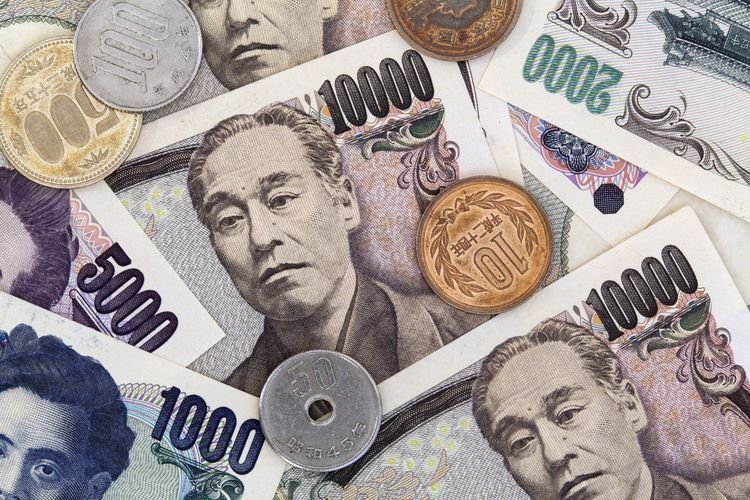
Japan entered global forex headlines after reports revealed that authorities spent nearly $35 billion to defend the Japanese yen against rapid weakness. The intervention came during intense pressure on the USD/JPY pair as traders pushed the dollar toward multi-decade highs against the yen.
Currency markets reacted immediately. The yen strengthened sharply within hours, while traders rushed to close speculative positions. Officials in Tokyo did not confirm exact figures immediately, but market participants tracked unusual moves in currency trading volumes and central bank activity.
The intervention marked one of Japan’s largest efforts in recent years to stabilize its currency. Policymakers aimed to slow volatility, restore market confidence, and protect the domestic economy from rising import costs.
Why the Yen Faced Heavy Selling Pressure
Several economic factors pushed the yen lower throughout recent months. The biggest pressure came from the wide interest-rate gap between Japan and the United States.
The U.S. Federal Reserve maintained higher interest rates to control inflation. Higher rates attracted global investors toward dollar-based assets because they offered stronger returns. Japan, however, continued its ultra-loose monetary policy for a longer period.
That difference encouraged traders to borrow yen at low rates and invest in higher-yielding currencies. Analysts often describe this strategy as the carry trade. As more investors sold yen to buy dollars, the Japanese currency weakened steadily.
Energy prices also added pressure. Japan imports large amounts of oil, natural gas, and raw materials. A weak yen increased import costs for businesses and consumers across the country. Inflation rose further as companies passed those costs to households.
Japanese officials grew increasingly concerned about the speed of the yen’s decline rather than the exchange rate alone. Sharp currency swings created uncertainty for businesses, investors, and consumers.
Tokyo Sends Strong Warning to Currency Traders
Japanese authorities had warned markets several times before the intervention. Finance Ministry officials repeatedly stated that they would take “appropriate action” against excessive currency volatility.
Many traders initially viewed those warnings as verbal intervention without immediate follow-through. However, sudden movements in USD/JPY during Asian trading sessions changed market sentiment quickly.
Reports suggested that Japan entered the market aggressively by selling dollars and buying yen through major financial institutions. The move triggered rapid price swings and forced traders to reassess their positions.
Currency intervention works best when governments surprise markets with size and timing. Japan appeared determined to deliver both.
Traders React to Sudden Yen Surge
The forex market responded instantly after speculation about intervention emerged. USD/JPY dropped sharply within minutes as liquidity tightened and algorithmic trading accelerated the move.
Short-term traders scrambled to exit bullish dollar positions. Hedge funds and institutional investors also reduced exposure as volatility increased.
Some analysts estimated that Japan spent around $35 billion during the intervention window. That figure highlighted the seriousness of Tokyo’s effort to stabilize the currency.
The yen’s rebound created ripple effects across global markets. Asian currencies strengthened, while traders reduced expectations for further rapid gains in the U.S. dollar.
Equity markets also monitored the situation closely because currency swings influence exports, inflation, and investor confidence across Asia.
Japan Faces a Difficult Long-Term Challenge
Despite the intervention’s immediate impact, economists warned that Japan still faces structural challenges in defending the yen over the long term.
Interest-rate differentials remain the biggest obstacle. As long as U.S. yields stay significantly higher than Japanese yields, investors will likely continue favoring dollar assets.
Japan’s central bank also faces a complicated balancing act. The Bank of Japan wants stable inflation and stronger wage growth before tightening monetary policy aggressively. Rapid interest-rate hikes could weaken economic recovery and increase borrowing costs across the economy.
At the same time, prolonged yen weakness creates political and economic pressure inside Japan. Households continue paying higher prices for imported food, fuel, and consumer goods.
That situation leaves policymakers in a narrow policy corridor. They must balance economic growth, inflation management, and currency stability simultaneously.
Can Currency Intervention Really Work?
Currency intervention can slow volatility and change short-term market direction, but lasting success usually depends on broader economic fundamentals.
Historical examples show mixed results. Japan has intervened several times during previous periods of sharp yen weakness. Some interventions delivered temporary stability, while others failed to reverse long-term trends.
Markets often test central banks after major interventions. Traders watch whether authorities maintain enough financial firepower and political commitment to defend a currency repeatedly.
Japan holds large foreign exchange reserves, which gives authorities substantial resources for intervention. However, sustained operations can become expensive if market forces continue pushing against policymakers.
Analysts believe intervention works more effectively when combined with supportive monetary policy changes. Without adjustments in interest rates or bond yields, speculative pressure may eventually return.
Global Central Banks Watch Closely
Japan’s move attracted attention from central banks worldwide because forex stability affects international trade and investment flows.
Rapid dollar strength has created problems for several economies, especially countries that rely heavily on imported commodities or carry large amounts of dollar-denominated debt.
A stronger dollar also tightens global financial conditions. That environment increases borrowing costs and raises pressure on emerging-market currencies.
Some market observers believe Japan’s intervention may encourage other countries to take stronger action against excessive currency volatility if the dollar continues climbing.
The Federal Reserve’s future policy decisions will also influence the yen’s direction. Any signal of slower U.S. rate hikes or potential cuts could reduce upward pressure on the dollar and provide relief for Japan.
What Investors Expect Next
Forex traders now expect heightened volatility in USD/JPY trading sessions. Many investors believe Japanese authorities may intervene again if speculative pressure returns quickly.
Markets will closely monitor comments from Japan’s Finance Ministry and the Bank of Japan over the coming days. Investors will also track U.S. inflation data, employment figures, and Treasury yields for additional direction.
Some analysts expect the yen to stabilize temporarily after the intervention. Others believe traders may test Japan’s resolve once market volatility declines.
For now, Japan has delivered a clear message to global currency markets. Authorities will not tolerate uncontrolled yen weakness without responding forcefully.
The next phase will depend on whether policymakers can align intervention efforts with broader economic and monetary policy strategies.
Also Read – Best Semiconductor ETFs for Tech Growth Exposure