The United States dollar stayed close to a six-week high after fresh confusion around talks between the United States and Iran. Traders across the world watched every update very closely. Different comments from leaders and officials created fear and doubt in global markets. Because of this uncertainty, many investors moved their money toward the dollar, which many people still see as a safer option during tense times.
The issue mainly focused on a possible deal between the United States and Iran. Both countries held talks for many months. Many people hoped the discussions would reduce pressure in the Middle East and help oil markets stay calm. But recent messages from both sides failed to give clear answers. Some officials spoke about progress, while others shared tougher views. This mixed situation left investors confused.
The market reacted very quickly. The dollar gained strength against many major currencies. Traders believed that any failure in the talks could create fresh trouble in oil supply routes and increase tensions in the Gulf region. The fear of instability pushed more people toward the American currency.
At the same time, strong economic data from the United States also helped the dollar rise further. Reports showed that the American economy still looked stable despite high interest rates. Fewer people filed for unemployment support than experts expected. Factory activity also showed better numbers. These reports gave investors confidence that the US economy still had strength.
Because of this, many traders now believe the US Federal Reserve may keep interest rates high for a longer period. Higher rates often make the dollar more attractive because investors can earn better returns from American assets. This belief added more support to the currency.
The Federal Reserve already raised rates several times during the past years to control inflation. Inflation may rise again if oil prices continue to move upward. Any serious conflict in the Middle East could reduce oil supply and push fuel prices higher around the world. This possibility made markets even more nervous.
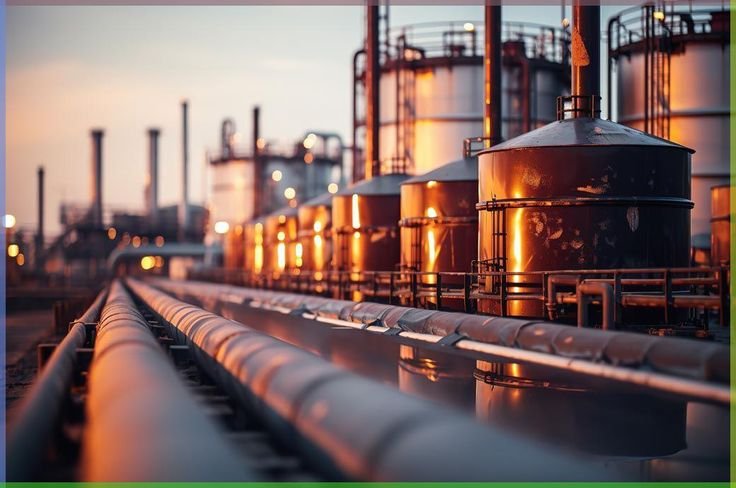
Oil prices moved sharply as traders reacted to every headline from the US-Iran talks. Iran remains one of the important oil producers in the world. A successful deal could allow Iran to export more oil freely. This situation may help lower global oil prices. But if talks collapse, fears over supply problems may return quickly.
Another major concern involved the Strait of Hormuz. This narrow water route carries a large amount of the world’s oil shipments every day. Any military tension near this area may disrupt oil movement. Traders understand the importance of this route, so even small political statements can affect prices and currencies.
As oil fears grew, investors looked for safer places for their money. The dollar benefited from this movement. US Treasury yields also rose because investors expected interest rates to stay higher for a longer time. Higher yields usually support the dollar further.
Asian currencies came under pressure during this period. The Japanese yen weakened as the stronger dollar gained momentum. Japan still keeps very low interest rates compared to the United States. This difference often pushes investors toward the dollar instead of the yen.
Other Asian currencies also struggled. The Indonesian rupiah faced pressure because rising oil prices can hurt countries that depend heavily on imported energy. Many emerging market currencies usually weaken when the dollar becomes stronger.
The Indian rupee also remained under pressure. Recent market rates placed the dollar near the range of 95.7 to 95.9 rupees. A stronger dollar often creates problems for countries like India because imports become more expensive. India imports a large amount of crude oil, so higher oil prices can increase inflation and widen trade deficits.
A weak rupee may affect daily life in several ways. Fuel prices may rise if oil stays expensive for a long period. Higher transport costs can later affect food prices and other goods. Companies that depend on imported products may also face higher expenses.
Still, some Indian export sectors may gain from a weaker rupee. Information technology firms and exporters often receive payments in dollars. When the dollar rises, their earnings may increase after conversion into rupees. But the overall impact depends on how long the dollar remains strong.
Global stock markets showed mixed reactions during the recent sessions. Some investors avoided risky assets because of uncertainty around Iran and oil supply fears. Energy shares performed better in some regions because rising oil prices can improve profits for oil producers.
At the same time, technology and growth sectors faced pressure because higher interest rates can reduce investor interest in risky investments. Traders remained cautious and waited for clearer signs from both the Federal Reserve and diplomatic talks.
Many analysts believe the market may stay volatile for some time. Political tensions in the Middle East often create sudden changes in oil prices, currencies, and bond markets. Traders now react very fast to even small comments from officials.
The United States and Iran both understand the importance of these talks. A successful agreement could reduce sanctions on Iran and help improve oil supply. It may also lower pressure in global energy markets. But strong differences still remain between both sides on key issues.
One major disagreement involves uranium enrichment. Western countries worry that Iran may increase nuclear activity beyond peaceful purposes. Iran says its nuclear program serves civilian needs. This issue remains one of the biggest obstacles in the negotiations.
Because of these unresolved problems, investors expect more uncertainty in the coming weeks. Markets dislike unclear situations. When traders fail to predict future events with confidence, they often move money toward safer assets such as the dollar and government bonds.
Experts also say the next steps from the Federal Reserve will remain very important. If inflation rises again because of higher oil prices, the central bank may delay any future rate cuts. This situation may keep the dollar strong for a longer period.
Currency markets now stand at an important point. A breakthrough in US-Iran talks may calm investors and reduce pressure on oil prices. This outcome could weaken the dollar slightly and support other currencies. But if tensions rise further, the dollar may continue to gain strength.
For now, global markets remain highly sensitive to every political update. Investors, governments, and businesses across the world continue to watch events very closely. The future direction of oil prices, inflation, and currency markets may depend heavily on the outcome of these talks.
The current situation shows how deeply politics and economics remain connected. A few comments from leaders in Washington or Tehran can quickly affect fuel prices, exchange rates, and financial markets around the world. Until clearer answers emerge, uncertainty may continue to dominate global trading activity.