The US dollar showed a small recovery on July 16, 2026, after it dropped to its lowest level in one month. This move came after fresh inflation data from the United States came in lower than many experts expected. The report changed the mood across the foreign exchange market because it reduced the chances of another quick interest rate increase from the US Federal Reserve.
Even though the dollar moved higher during the day, market experts believe investors still remain careful. Many traders now wait for the next important economic report before they make new decisions. The latest move shows that confidence in the dollar has improved slightly, but uncertainty still remains.
Inflation Report Changes Market Expectations
Inflation plays a very important role in the value of a country’s currency. When prices rise too fast, central banks often increase interest rates to slow down spending. Higher interest rates usually make a currency more attractive because investors can earn better returns.
The latest inflation report from the United States showed that price growth was weaker than expected. This result surprised many people in the financial market. It also made investors believe that the Federal Reserve may not raise interest rates as soon as many had predicted.
As soon as this data became public, expectations across the market changed. Many traders reduced their bets on another immediate rate increase. This shift created fresh movement in major currency pairs around the world.
Why Interest Rates Matter for the Dollar
Interest rates have a direct effect on currency markets. When rates move higher, investors often buy that country’s currency because bonds and other investments may offer better returns.
For many months, the US dollar received strong support from higher interest rates. Investors expected the Federal Reserve to continue its fight against inflation with more rate increases.
Now, weaker inflation has changed that view. If inflation continues to slow, the central bank may decide that more rate hikes are not necessary right away. This possibility has reduced some of the strength that supported the dollar in recent months.
However, the latest recovery shows that many investors have not completely lost confidence in the US currency. Instead, they prefer to wait for more economic reports before they make larger changes to their positions.
Market Attention Turns to Retail Sales
After the inflation report, market focus quickly moved to another major event. Investors now wait for the latest US retail sales data.
Retail sales measure how much money consumers spend in stores and online. Since consumer spending makes up a large part of the US economy, this report gives a clear picture of economic strength.
If retail sales come in stronger than expected, it could show that consumers still feel confident despite slower inflation. A strong report may support the dollar because it suggests that the economy remains healthy.
On the other hand, weak retail sales could increase concerns about slower economic growth. Such a result may place fresh pressure on the US dollar and strengthen expectations that the Federal Reserve will keep interest rates unchanged.
Traders Stay Careful Before New Data
Currency markets often react very quickly to major economic reports. Because of this, many traders prefer to stay cautious before important announcements.
After the recent inflation figures, many investors decided not to take large positions until the retail sales report becomes available. This careful approach has helped keep market movements smaller than usual.
Experts say that the next few trading sessions could bring fresh volatility as investors study every new piece of economic information. Even small surprises in the data could change expectations about future Federal Reserve decisions.
Federal Reserve Remains the Main Focus
The Federal Reserve continues to remain the biggest influence on the US dollar. Every speech, report, and economic release helps investors understand what the central bank may do next.
The Federal Reserve has spent the last few years trying to control inflation through higher interest rates. Those actions helped slow price growth but also increased borrowing costs for families and businesses.
Now that inflation has started to cool, the central bank faces a different challenge. Officials must decide whether current interest rates are already high enough or whether further action is still necessary.
The latest inflation report has made this decision more difficult. While inflation has slowed, the Federal Reserve still wants to make sure prices remain under control over the long term.
Global Currency Markets React
The weaker inflation data did not only affect the US dollar. Major currencies around the world also responded as investors adjusted their expectations.
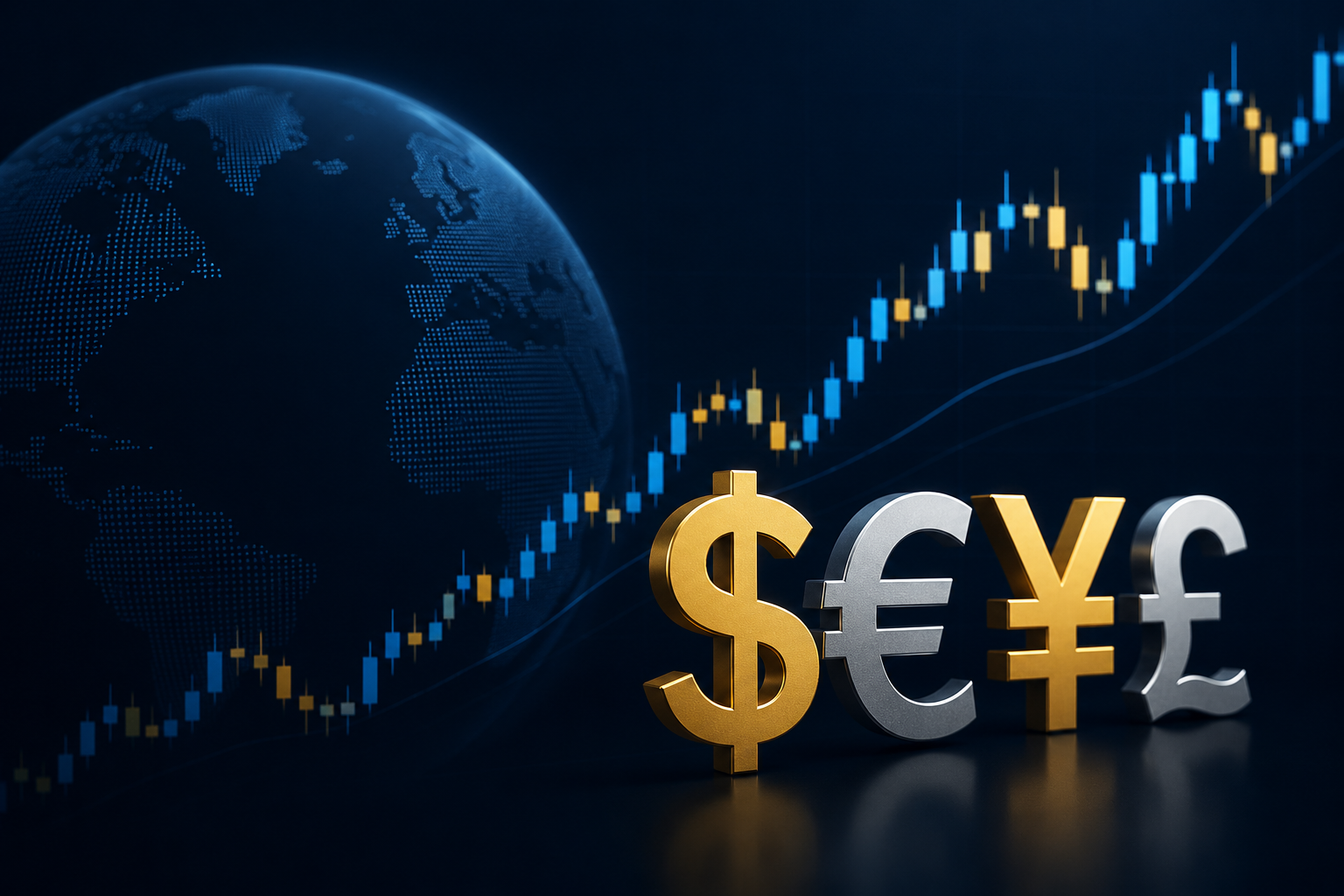
When the dollar becomes weaker, other currencies often receive support. Traders watched movements in the euro, British pound, Japanese yen, and several other major currencies after the inflation report.
Although the dollar recovered some of its losses, market participants continue to study every new development very closely. Small changes in expectations can create noticeable moves across the foreign exchange market.
This situation shows how closely connected global financial markets have become. Economic reports from the United States often influence currencies in many different countries within minutes.
Investors Look Beyond One Report
Most financial experts believe one economic report does not tell the full story. Instead, investors study many different indicators before they reach a conclusion.
Inflation, employment, consumer spending, business activity, and manufacturing data all help build a complete picture of the economy. The Federal Reserve also looks at these reports before it makes interest rate decisions.
Because of this, traders understand that the latest inflation numbers represent only one part of a much larger picture. Future reports may either support or change the current outlook.
This careful approach explains why many investors avoid making large bets after only one piece of economic data.
What Could Happen Next
The direction of the US dollar during the coming weeks will depend largely on future economic reports. If retail sales and other data remain strong, confidence in the US economy could improve. That may help the dollar recover further.
However, if several reports show slower growth and weaker demand, expectations for future interest rate increases could continue to fall. In that case, the dollar may face fresh pressure.
Investors will also pay close attention to comments from Federal Reserve officials. Their views on inflation, employment, and economic growth could provide important clues about future policy decisions.
For now, the market remains in a waiting phase. Traders prefer to study each new report carefully before deciding on the next major move.
Conclusion
The US dollar has found some stability after falling to a one-month low, but uncertainty remains across the foreign exchange market. Weaker-than-expected inflation has reduced expectations for an immediate Federal Reserve interest rate increase, which changed investor sentiment around the world.
Attention has now shifted to the upcoming US retail sales report, which could offer fresh clues about the strength of the American economy. Until more economic data becomes available, traders are likely to remain cautious. The next few reports will play an important role in shaping expectations for Federal Reserve policy and the future direction of the US dollar.
Also Read – Japan Gives Crypto Financial Status With New Law Passed