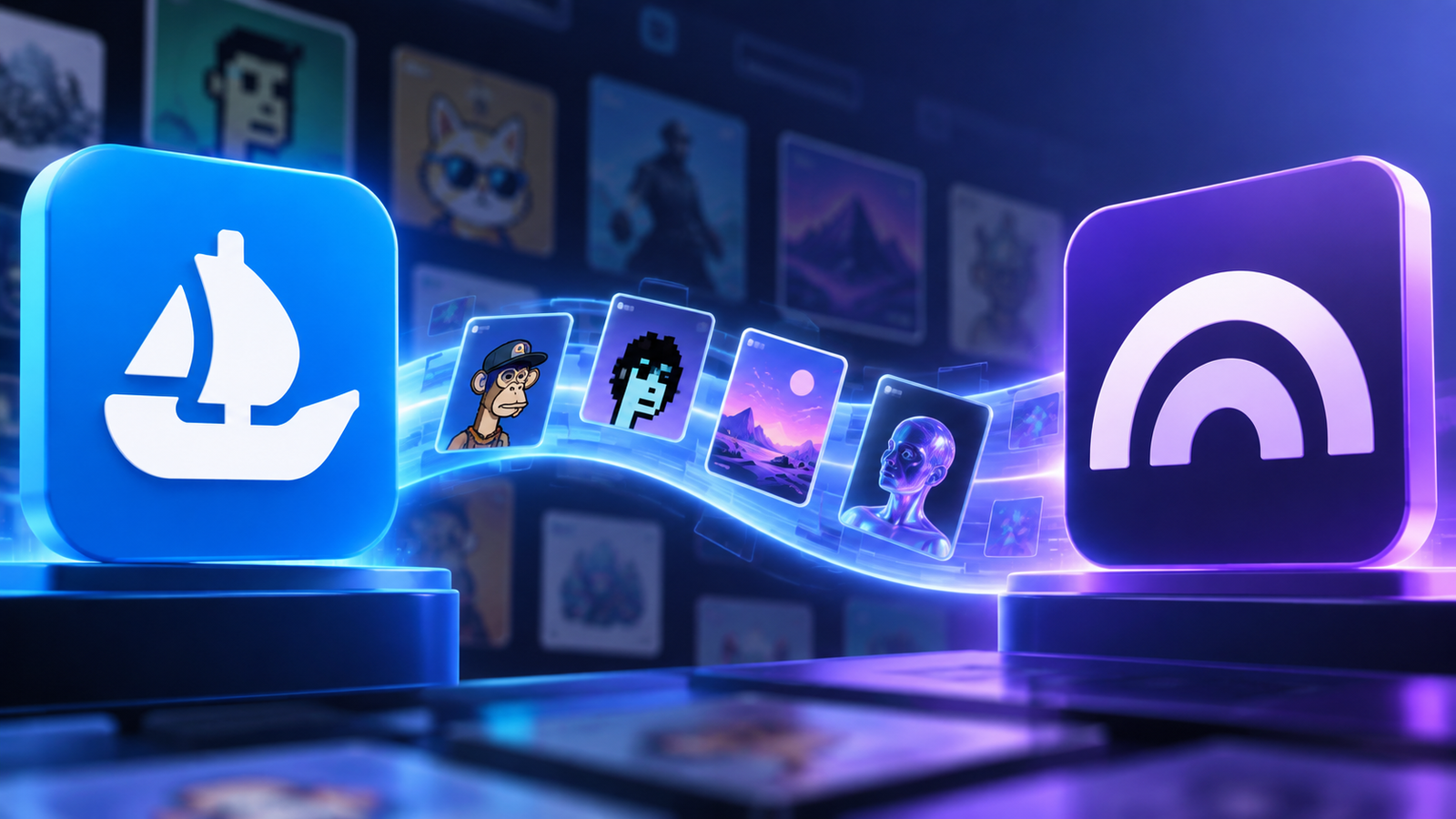
OpenSea has added Arc, the stablecoin-focused Layer-1 blockchain from Circle, to its marketplace. The move gives Arc assets a place on one of the best-known digital asset marketplaces. Users can now find and trade supported Arc assets on OpenSea beside assets from other blockchain networks.
The update marks another step in the wider growth of blockchain marketplaces. OpenSea has support for assets from several networks, and the addition of Arc brings Circle’s new blockchain into that wider market. For Arc, this creates a direct link with a major platform that many digital asset users already know.
What Is Arc?
Arc is a Layer-1 blockchain created by Circle. Circle is also known for USDC, one of the largest stablecoins in the crypto market. Arc has a strong focus on stablecoins and financial use cases.
A Layer-1 is a main blockchain network that can process transactions and support digital assets without the need for another base chain. Networks such as Ethereum and Solana are examples of Layer-1 blockchains.
Arc has a different focus from many networks that place more attention on general crypto activity. Its design centers on stablecoin use and financial applications. This focus makes Arc part of Circle’s wider effort to build more infrastructure around digital money and on-chain finance.
OpenSea Now Supports Arc
With the latest update, OpenSea has added Arc to its list of supported chains. This means supported assets from Arc can appear on the OpenSea marketplace.
Users do not have to view Arc as a completely separate market. Arc assets can now sit beside assets from other supported chains on the same platform. This can make it easier for people who already use OpenSea to discover assets from the Arc network.
The change also gives Arc a new point of access to the digital asset market. Instead of relying only on platforms built around Arc, projects on the network can have access to a marketplace with an established user base.
What Does This Mean for Arc Assets?
The main change is simple. Supported Arc assets can now be traded through OpenSea.
Before a marketplace adds support for a blockchain, users may need to use a platform made for that specific network. Once a major marketplace adds the chain, the process can become more familiar for users who already use that platform.
Arc assets can now be traded alongside assets from other supported chains on OpenSea. This does not mean that all assets on Arc are automatically available on the marketplace. Support depends on what OpenSea allows and what each asset or project supports.
It also does not mean that an asset can freely move from Arc to another blockchain. Blockchain networks remain separate systems unless a bridge or another approved method allows an asset to move between them.
A Wider Marketplace for Users
OpenSea has built its marketplace around assets from different blockchain networks. Its support for multiple chains allows users to explore digital assets without having to visit a different marketplace for every network.
The addition of Arc follows that same model.
For a user who already has Arc assets, OpenSea support can offer another place to view and trade them. For people who have not used Arc before, the update can also provide a simple way to discover assets from the network.
This is important because access can play a major role in the growth of a blockchain ecosystem. A network may have strong technology, useful applications and active projects, but users still need places where they can access its assets.
Why Circle’s Role Matters
Circle is one of the better-known companies in the stablecoin sector. Its work with USDC has given it a major role in the growth of digital dollars on blockchain networks.
Arc builds on that background with a Layer-1 focused on stablecoins and financial activity. The network gives Circle a blockchain platform of its own rather than relying only on other chains.
OpenSea’s support adds another piece to that ecosystem.
A marketplace does not replace the blockchain itself, but it can help connect users with assets that exist on the network. In this case, OpenSea provides a familiar marketplace environment for supported Arc assets.
Arc Assets Beside Other Chains
One of the key parts of the update is that Arc assets can trade alongside assets from other supported chains.
This is useful because the crypto market contains many different blockchain networks. Each network can have its own assets, applications, users and transaction systems. A marketplace with support for several chains can bring some of these assets together in one place.
For OpenSea users, this means Arc becomes part of a wider marketplace experience. They can explore Arc assets without treating the network as an isolated ecosystem.
For Arc projects, access to a multi-chain marketplace can provide another route to users who may already hold assets on other networks.
What Users Should Know
The addition of Arc does not change the basic nature of blockchain ownership. Assets remain tied to the network where they exist. Users still need to use the correct blockchain and wallet support when they buy, sell or transfer an asset.
This point is especially important for people who are new to Arc.
A user should check that an asset is on Arc before a transaction. Sending an asset or funds through the wrong network can cause serious problems. Users should also confirm that their wallet supports Arc and that the marketplace supports the exact asset they want to trade.
OpenSea’s support makes access easier, but users still need to understand which blockchain they use for each transaction.
A New Step for Arc
Arc is still part of the broader development of blockchain-based financial infrastructure. Its stablecoin focus gives it a clear place within Circle’s plans for digital finance.
OpenSea’s decision to support the network gives Arc another connection to the wider crypto market. It also shows how blockchain marketplaces continue to expand beyond a small number of major networks.
For Arc, the addition can help bring its assets closer to users who already have experience with multi-chain marketplaces. For OpenSea, it adds another blockchain to its supported network base.
What Comes Next
The full effect of the move will depend on how many Arc projects use OpenSea and how much demand users show for Arc assets. Marketplace support creates access, but activity still depends on users, creators and projects.
As Arc develops, more assets and applications may appear on the network. OpenSea support gives those assets a route to a larger marketplace, subject to OpenSea’s support rules.
For now, the key point is clear: Arc is live on OpenSea. Supported Arc assets can now be traded on the marketplace alongside assets from other supported chains.
The update connects Circle’s stablecoin-focused Layer-1 with a major multi-chain marketplace. It gives Arc assets a new place to reach users and gives OpenSea users another blockchain ecosystem to explore. As the Arc network grows, this connection could become an important part of how its digital assets reach the wider crypto market.
ALSO READ: DCENT App Wallet Hit by Abnormal Transfers in $6.5M Incident