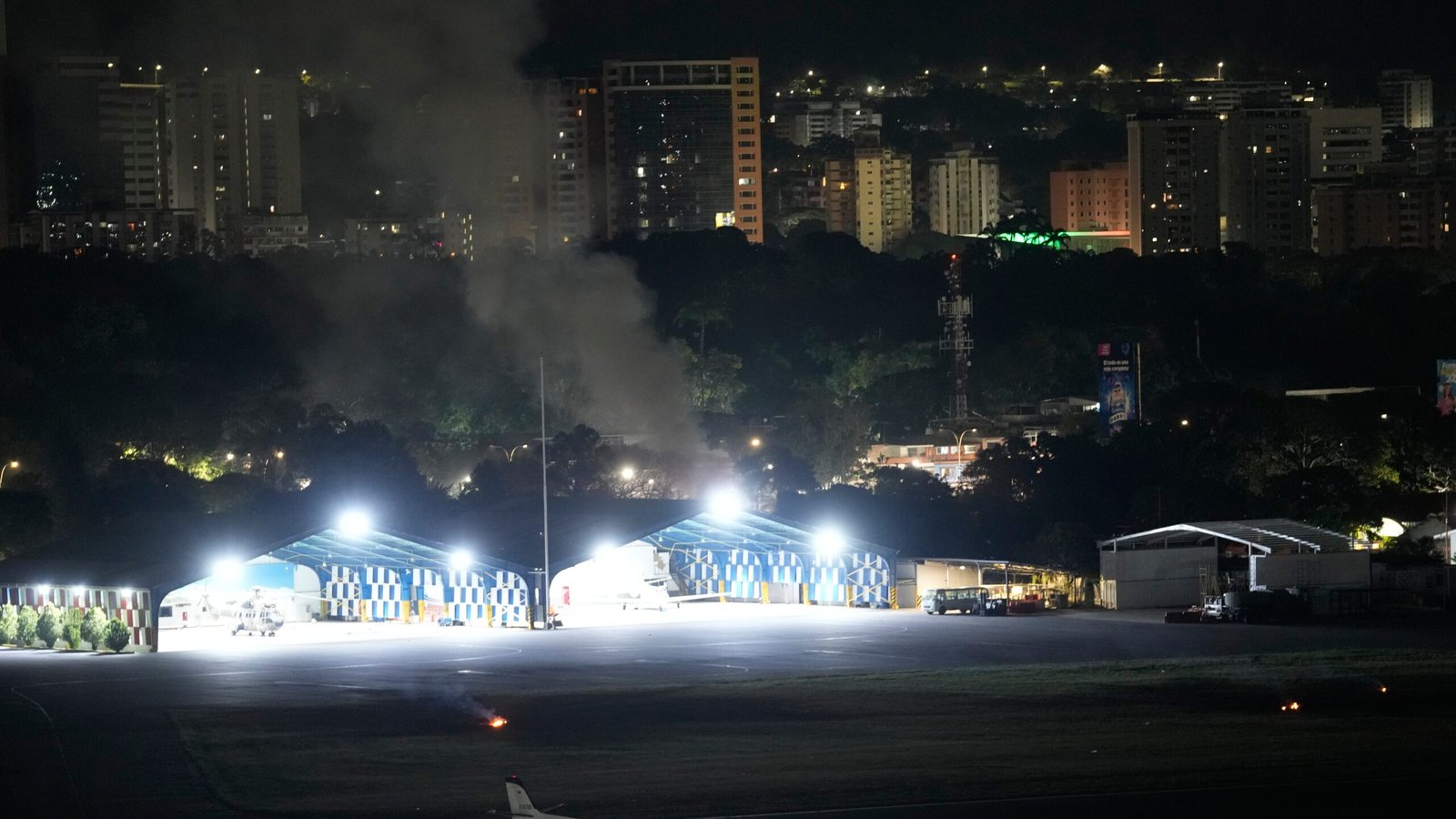
Iran launched one of the largest coordinated aerial attacks in recent history and sent a strong message to its adversaries. The country deployed hundreds of drones and missiles across the Middle East and targeted strategic military and economic sites. This escalation followed rising tensions with Israel and the United States and pushed the region closer to a broader conflict. Governments, markets, and civilians now face uncertainty as the situation evolves rapidly.
Scale and Nature of the Attack
Iran executed a massive offensive that combined drones, ballistic missiles, and cruise missiles. Military analysts reported that Iran used more than a thousand drones along with hundreds of missiles in a synchronized operation. The scale of this attack demonstrated Iran’s growing technological capabilities and its ability to coordinate complex military strategies.
Iran focused on overwhelming air defense systems. The strategy relied on launching large numbers of relatively low-cost drones to exhaust interception systems before sending in more advanced missiles. This approach increased the chances of successful strikes on high-value targets.
Several targets included military bases, energy infrastructure, and key logistical hubs. The attacks disrupted normal operations and forced several countries to activate emergency defense protocols.
Strategic Objectives Behind the Retaliation
Iran aimed to achieve multiple strategic goals through this offensive. First, it sought to respond decisively to recent Israeli military actions and leadership assassinations. Iranian leadership wanted to project strength and deter further attacks.
Second, Iran attempted to shift the balance of power in the region. By demonstrating its reach and capabilities, Iran signaled that it could target adversaries across a wide geographic area. This message targeted both regional rivals and global powers.
Third, Iran aimed to influence political calculations in Washington and among US allies. The scale of the attack forced policymakers to reconsider the risks of deeper military involvement in the conflict.
Regional Impact and Immediate Consequences
The attacks caused widespread disruption across several countries in the Middle East. Airspace closures affected major international travel routes, and governments issued emergency alerts to civilians. Several cities experienced temporary shutdowns as authorities assessed damage and secured critical infrastructure.
Energy infrastructure faced particular risk. Some facilities reported damage, which raised concerns about oil supply disruptions. The Strait of Hormuz, a critical global shipping route, remained under heightened threat. This situation increased anxiety in global energy markets and triggered price fluctuations.
Military forces across the region moved to high alert. Defense systems intercepted many incoming threats, but some missiles and drones penetrated defenses and caused damage. The attacks highlighted vulnerabilities in even the most advanced defense networks.
International Reactions and Diplomatic Fallout
Global leaders responded quickly to the escalation. The United States condemned the attacks and reaffirmed its support for regional allies. Israel signaled readiness for further military action and prepared for potential escalation.
European nations urged restraint and called for immediate de-escalation. However, divisions emerged among allies regarding the appropriate response. Some countries avoided direct military involvement and instead emphasized diplomatic solutions.
China and other major powers called for dialogue and stability. They focused on preventing disruption to global trade and energy supplies. These responses reflected broader geopolitical competition and differing strategic priorities.
Military and Technological Implications
The attack showcased the evolving nature of modern warfare. Iran demonstrated how drone swarms and missile combinations could challenge traditional defense systems. This approach relied on volume, coordination, and cost efficiency rather than solely on advanced technology.
Military experts now expect increased investment in counter-drone systems and integrated air defense networks. Countries may also accelerate the development of electronic warfare capabilities to disrupt drone communications and navigation.
This event may reshape military doctrines worldwide. Nations will likely adapt strategies to address the growing threat of large-scale drone and missile attacks.
Economic and Global Implications
The escalation sent shockwaves through global markets. Oil prices surged as traders reacted to potential supply disruptions. Shipping companies adjusted routes and increased security measures, which raised transportation costs.
Global supply chains faced renewed pressure. Industries that depend on stable energy supplies and secure shipping routes experienced uncertainty. This situation may contribute to inflation and economic instability in multiple regions.
Investors and policymakers now monitor developments closely. Any further escalation could intensify economic consequences and affect global growth.
Conclusion
Iran’s large-scale drone and missile attack marked a turning point in the ongoing geopolitical crisis. The operation demonstrated new forms of warfare and highlighted the risks of rapid escalation. Regional stability now hangs in the balance as global powers weigh their next moves.
The coming days will play a critical role in shaping the future of the conflict. Diplomatic efforts, military responses, and economic pressures will determine whether the situation stabilizes or moves toward a broader confrontation.
Also Read – Why Companies Announce Rights Issue