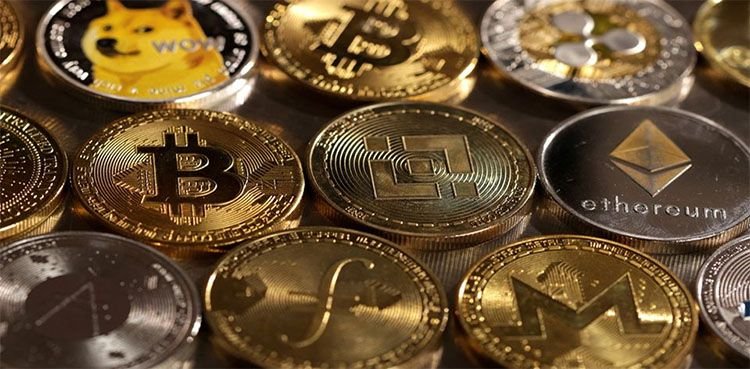
In April 2026, PayPal made a strategic move that caught the attention of both traditional finance and the rapidly evolving digital asset ecosystem. The company announced a restructuring plan that places cryptocurrency and blockchain-based services at the center of its long-term business model. This was not a minor adjustment or experimental pivot—it marked a structural transformation in how PayPal defines its future.
For years, PayPal has been a dominant force in digital payments, enabling seamless transactions across borders and platforms. However, the rise of decentralized finance, tokenized assets, and blockchain infrastructure has challenged traditional financial systems. By elevating crypto into one of its three core operating segments, PayPal is signaling that digital assets are no longer peripheral—they are foundational.
This shift reflects a broader trend across the financial industry, where established institutions are integrating blockchain technologies to remain competitive. Yet PayPal’s approach stands out because of its scale, existing user base, and early investments in crypto infrastructure, particularly through its stablecoin initiative.
From Side Offering to Core Business Segment
Historically, PayPal’s involvement in crypto was viewed as an extension of its payments ecosystem. Users could buy, hold, and sell cryptocurrencies within the platform, but these features were largely treated as supplementary services. The April 2026 restructuring changes that narrative entirely.
By formally designating crypto as a core operating segment, PayPal is reorganizing its internal priorities. This means allocating more resources, talent, and strategic focus toward blockchain-based solutions. While the company has not disclosed every operational detail, the implications are clear: crypto is now embedded in PayPal’s long-term growth engine.
This move also suggests a deeper integration of crypto rails into existing services. Payment processing, merchant settlements, cross-border transfers, and even consumer wallets could increasingly rely on blockchain infrastructure. Instead of acting as a gateway to crypto, PayPal is positioning itself as a platform where digital assets are native to the user experience.
The Strategic Role of PYUSD
At the heart of this transformation lies PayPal USD, PayPal’s proprietary stablecoin. Unlike volatile cryptocurrencies such as Bitcoin or Ethereum, PYUSD is pegged to fiat currency, offering price stability while retaining the benefits of blockchain technology.
Stablecoins are often seen as the bridge between traditional finance and decentralized systems. PYUSD enables PayPal to connect these two worlds seamlessly. Users can transact on blockchain networks while maintaining the familiarity and reliability of fiat-backed value.
The restructuring elevates PYUSD from a product feature to a strategic pillar. Its potential applications are vast:
- Merchant Payments: Businesses could accept PYUSD for faster, cheaper transactions.
- Settlement Systems: Blockchain-based settlements may reduce delays and intermediaries.
- Remittances: Cross-border transfers could become more efficient and cost-effective.
- Wallet Integration: Users may gain enhanced control over digital assets within PayPal’s ecosystem.
By expanding the utility of PYUSD, PayPal is effectively building a closed-loop system where users can interact with Web3 services without leaving its platform.
Aligning With the Tokenization Trend
The restructuring also aligns with the growing trend of tokenization—the process of converting real-world assets into digital tokens on blockchain networks. This includes everything from currencies and commodities to real estate and financial instruments.
Tokenization promises increased liquidity, transparency, and accessibility. For a company like PayPal, which already operates at the intersection of finance and technology, this presents a significant opportunity.
By focusing on crypto as a core segment, PayPal gains a direct pathway into tokenized finance. It can facilitate the issuance, transfer, and management of digital assets at scale. This could eventually extend beyond payments into areas like lending, asset management, and decentralized applications.
In essence, PayPal is positioning itself not just as a payments provider but as an infrastructure layer for the digital economy.
Expanding Web3 Integration
The restructuring underscores PayPal’s commitment to deeper integration with Web3 technologies. Web3 represents a shift toward decentralized networks where users have greater control over their data and assets.
For PayPal, integrating Web3 capabilities means more than supporting crypto transactions. It involves enabling interactions with decentralized applications (dApps), smart contracts, and blockchain-based services.
Potential developments include:
- Decentralized Wallet Features: Enhanced custody and self-custody options.
- Smart Contract Payments: Automated transactions triggered by predefined conditions.
- Identity Solutions: Blockchain-based verification systems.
- Interoperability: Seamless movement of assets across different blockchain networks.
These innovations could transform PayPal from a payment processor into a comprehensive digital finance platform.
Industry Context: A Broader Financial Shift
PayPal’s restructuring does not exist in isolation. It reflects a broader shift across the financial industry, where traditional institutions are exploring digital assets and blockchain technology.
Banks, payment networks, and fintech companies are increasingly investing in crypto infrastructure. This includes launching stablecoins, offering custody services, and integrating blockchain into settlement systems.
However, PayPal’s approach is notable for its decisiveness. While many firms are experimenting cautiously, PayPal is restructuring its entire business around the assumption that digital assets will play a central role in the future of finance.
This positions the company as both a competitor and a collaborator within the evolving ecosystem. It can partner with blockchain networks while leveraging its existing user base to drive adoption.
Opportunities Created by the Restructuring
The decision to prioritize crypto opens several opportunities for PayPal:
1. Enhanced User Experience
Users may benefit from more integrated financial services, combining traditional payments with digital asset functionality. This could simplify interactions with crypto, making it more accessible to mainstream audiences.
2. Cost Efficiency
Blockchain-based transactions can reduce fees and processing times, particularly for cross-border payments. This aligns with PayPal’s goal of improving efficiency and scalability.
3. New Revenue Streams
By expanding into tokenized assets and Web3 services, PayPal can diversify its revenue sources beyond transaction fees.
4. Competitive Advantage
Early and decisive adoption of crypto infrastructure may give PayPal an edge over competitors who are slower to adapt.
Challenges and Risks
Despite its potential, the strategy is not without challenges. Integrating crypto into a global payments system introduces complexities that PayPal must navigate carefully.
Regulatory Uncertainty
Digital assets are subject to evolving regulations across different jurisdictions. Compliance will be critical to maintaining trust and avoiding legal issues.
Market Volatility
While stablecoins like PYUSD mitigate some risks, the broader crypto market remains volatile. This could impact user confidence and adoption.
Technical Integration
Building scalable and secure blockchain infrastructure requires significant investment and expertise. Ensuring seamless integration with existing systems will be a major undertaking.
Competition
As more companies enter the space, PayPal will face increasing competition from both traditional institutions and crypto-native platforms.
The Importance of the November Earnings Call
PayPal has indicated that it will provide more detailed insights during its earnings call on November 5. This event is expected to clarify how the new structure will be implemented and how different segments will interact.
Investors and analysts will be looking for answers to key questions:
- How will crypto integrate with merchant services?
- What role will PYUSD play in global payments?
- How will PayPal manage regulatory compliance?
- What are the expected financial impacts of the restructuring?
The earnings call will likely serve as a roadmap for PayPal’s next phase of growth.
Implications for Users and Businesses
For everyday users, the restructuring could lead to more versatile financial tools. Payments, savings, and investments may become more interconnected within a single platform.
Businesses, on the other hand, could benefit from faster settlements, lower transaction costs, and access to new customer segments. Accepting stablecoins like PYUSD may become a standard feature rather than an optional add-on.
This evolution could also encourage greater adoption of digital assets in commerce, bridging the gap between traditional and decentralized finance.
A Turning Point for Digital Payments
PayPal’s decision represents a turning point in the evolution of digital payments. By embracing crypto as a core business segment, the company is acknowledging a fundamental shift in how value is created and transferred.
The integration of blockchain technology into mainstream finance is no longer speculative—it is actively unfolding. PayPal’s restructuring accelerates this transition by embedding digital assets into its operational framework.
This move also highlights the convergence of fintech and crypto. Rather than competing as separate ecosystems, they are increasingly merging into a unified financial landscape.
Looking Ahead
As PayPal moves forward with its restructuring, several developments will be worth watching:
- Expansion of PYUSD use cases
- Integration of blockchain into merchant services
- Partnerships with Web3 platforms
- Regulatory developments in key markets
- Adoption rates among users and businesses
The success of this strategy will depend on execution. PayPal must balance innovation with stability, ensuring that new features enhance rather than disrupt the user experience.
Conclusion
PayPal’s April 2026 restructuring marks a decisive step toward a crypto-centric future. By elevating digital assets to a core operating segment and strengthening the role of PYUSD, the company is positioning itself at the forefront of financial innovation.
This transformation reflects a broader industry shift toward blockchain-based systems and tokenized assets. While challenges remain, the potential rewards are significant.
If executed effectively, PayPal’s strategy could redefine its role in the global financial ecosystem—transforming it from a payments provider into a central hub for digital finance in the Web3 era.