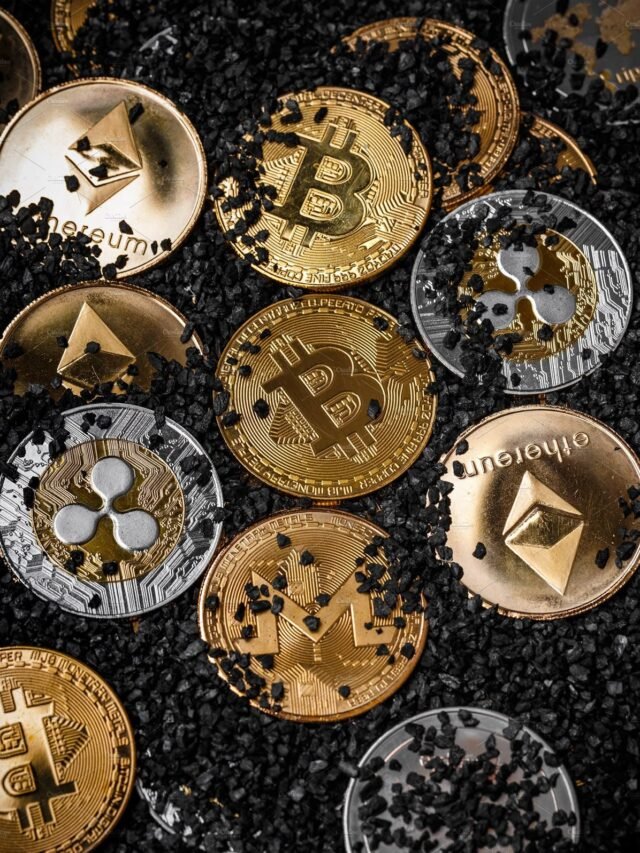
It started like every other “next big thing” in crypto.
A flashy website. Anonymous founders with anime profile pictures. A roadmap packed with impossible promises. Influencers calling it “the opportunity of the decade.” Telegram groups exploding with rocket emojis every hour.
And at the center of it all was a new token that supposedly had one destiny: a 100x return.
Early investors were told they were still “early.” People posted screenshots of wallets turning $500 into $5,000 in days. The fear of missing out spread faster than the project itself.
Then, almost overnight, everything disappeared.
The website went offline. The liquidity vanished. The founders stopped replying. The token price collapsed to nearly zero.
For thousands of investors, the dream ended in silence.
How the Hype Machine Worked
The project followed a pattern that has become painfully familiar in the crypto world.
1. Massive Promises
The team claimed the token would revolutionize decentralized finance, gaming, AI, and payments all at once.
The whitepaper sounded technical enough to impress beginners but vague enough to avoid scrutiny.
Words like:
- “utility”
- “ecosystem”
- “staking rewards”
- “community governance”
- “next-generation blockchain infrastructure”
were everywhere.
But there was very little actual product behind the marketing.
2. Influencer Marketing
Small and mid-sized crypto influencers began promoting the token aggressively.
Some posted price predictions. Others claimed insiders were accumulating. A few even hinted that major exchange listings were imminent.
Most viewers never asked the obvious question:
Were these influencers being paid?
In many cases across the industry, the answer is yes.
3. Artificial Momentum
The token price surged quickly after launch.
That rapid rise created social proof. People assumed something valuable must be happening because the chart kept going up.
But thin liquidity and coordinated buying can make almost any small token appear explosive.
A chart moving upward does not automatically mean a project is legitimate.
The Collapse
The warning signs were there.
A few blockchain analysts noticed suspicious wallet activity. Large portions of the token supply were concentrated in a handful of addresses. Liquidity controls were unclear. The developers avoided direct questions during livestreams.
Still, the hype drowned out skepticism.
Then came the crash.
Within hours:
- Major wallets sold huge amounts of tokens
- Liquidity pools were drained
- Panic selling spread across the community
- Trading volume exploded briefly before collapsing
The token lost nearly all its value.
Some investors were unable to sell at all.
By the next morning, the community channels were filled with anger, disbelief, and screenshots of devastating losses.
What Is a Rug Pull?
In crypto, a “rug pull” happens when developers or insiders abandon a project after attracting investor money.
Sometimes they drain liquidity directly. Other times they dump massive token holdings onto the market before disappearing.
The result is usually the same:
Ordinary investors are left holding worthless tokens.
Rug pulls became especially common during meme coin booms, where excitement often moved faster than due diligence.
Why People Keep Falling for It
The psychology behind these scams is powerful.
Fear of Missing Out
Nobody wants to miss the next Bitcoin or Ethereum. Scammers understand this deeply.
They sell urgency:
- “Last chance before takeoff”
- “Still early”
- “This will change your life”
When prices rise quickly, rational thinking often disappears.
Community Pressure
Crypto communities can become echo chambers.
Questioning the project is treated as “spreading fear.” Skeptics are mocked. Believers reinforce each other’s optimism.
That social pressure makes it harder for investors to step back and evaluate risks objectively.
The Illusion of Transparency
Because blockchain transactions are public, many people assume crypto projects are inherently trustworthy.
But transparency only helps if people know what to look for.
Most investors do not analyze smart contracts, token distribution, or liquidity structures.
Scammers rely on that gap.
Red Flags Investors Often Ignore
Many failed projects share the same warning signs.
Anonymous Teams
Not every anonymous founder is malicious. But anonymity dramatically reduces accountability.
Unrealistic Returns
Promises of guaranteed 100x gains should immediately trigger skepticism.
Legitimate investments rarely advertise certainty.
No Real Product
If the project has endless marketing but no working platform, caution is essential.
Concentrated Token Ownership
If insiders control large percentages of the supply, they can crash the market instantly.
Aggressive Hype
Projects that rely more on memes, countdowns, and influencer promotions than actual development deserve extra scrutiny.
The Human Cost
Behind every rug pull chart is a real person.
Some lose savings. Some borrow money to invest. Some genuinely believe they are building a better financial future.
For younger investors especially, crypto can feel like one of the few remaining paths to rapid wealth creation.
That desperation creates vulnerability.
And scammers know it.
The Bigger Problem With Crypto Speculation
Not every crypto project is fraudulent. There are legitimate developers building useful technologies.
But speculative mania creates an environment where hype often matters more than substance.
When attention becomes the primary currency, the loudest projects frequently attract the most money — regardless of quality.
That cycle rewards marketing over fundamentals.
Until that changes, overnight collapses will continue happening.
Final Thoughts
The coin that promised 100x returns did not disappear because the market was unlucky.
It disappeared because hype outran reality.
In speculative markets, excitement can create the illusion of inevitability. But price action is not proof. Community enthusiasm is not proof. Viral tweets are not proof.
And sometimes, the people shouting the loudest are already heading for the exit.
The next “life-changing” token is probably already trending somewhere online.
The real question is whether investors will recognize the warning signs before history repeats itself again.